
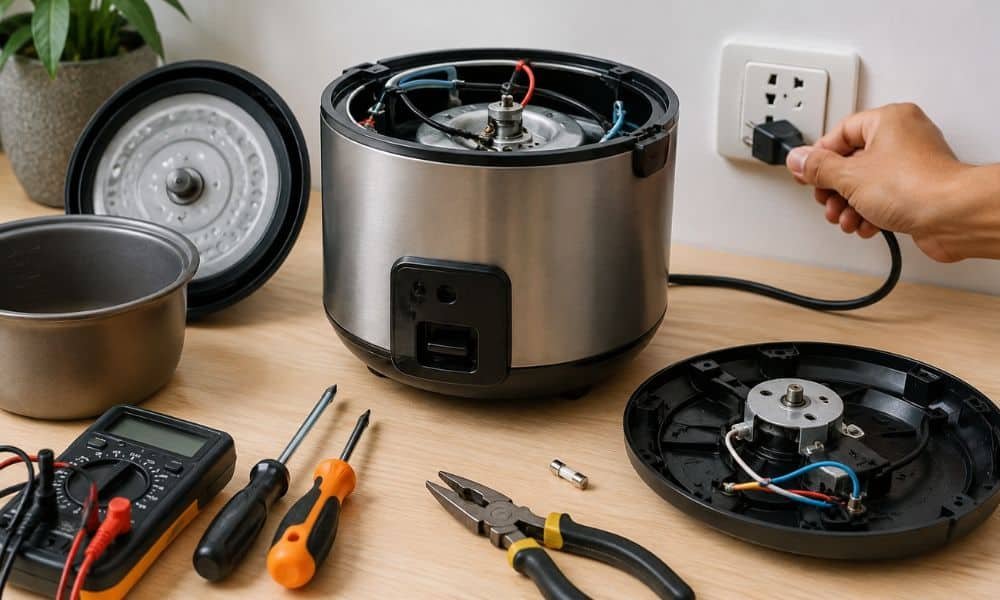
A rice cooker that suddenly stops working can feel frustrating. Dinner plans stop fast when the cooker shows no light, no heat, and no sound. The good news is that many rice cooker power problems are simple to fix at home. Loose cords, dirty heating plates, and damaged switches are some of the most common reasons behind this issue. Learning how to fix rice cooker not turning on problems can help save money and extend the life of the appliance. Most repairs only need basic cleaning or a small replacement part.
Check The Power Outlet First
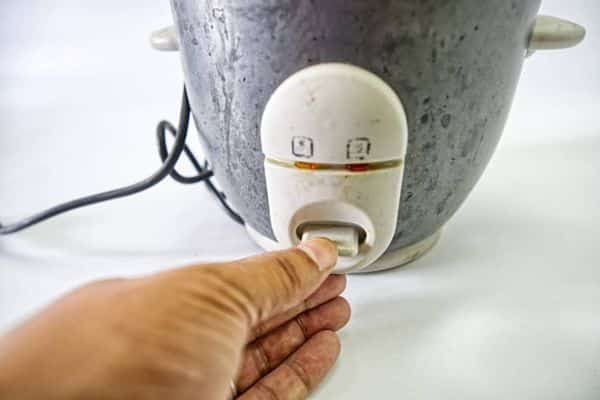
Start with the easiest step first. Sometimes the rice cooker is not the real problem. The wall outlet may not supply power properly.
Plug another device into the same outlet. A phone charger or lamp works well for testing. If the second device also fails, the outlet may have a problem.
Try another kitchen outlet before checking anything else.
Inspect The Power Cord Carefully
A damaged power cord can stop electricity from reaching the rice cooker. Look closely at the entire cord.
Check for cuts, burn marks, bent plug pins, or loose wire areas. Some cords become weak near the plug after long use.
A broken cord should be replaced quickly. Continuing to use it may become dangerous.
Make Sure The Plug Fits Properly
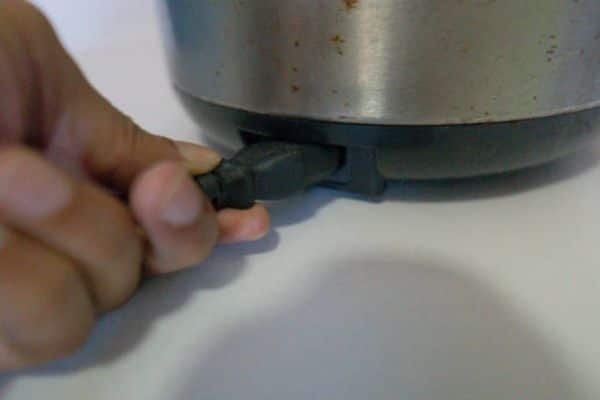
Loose plug connections are another common problem. Sometimes the plug does not sit tightly inside the outlet.
Push the plug in firmly and test the cooker again. A loose connection may stop the cooker from turning on completely.
Watch for sparks or unusual heat around the plug area.
Clean The Heating Plate
Rice cookers need proper contact between the inner pot and the heating plate. Even small food particles can block this contact.
Unplug the rice cooker first. Remove the inner pot and wipe the heating plate using a dry cloth.
Clean away rice grains, oil, or burnt food carefully. A dirty heating plate often causes heating and power issues.
Check The Inner Pot Position
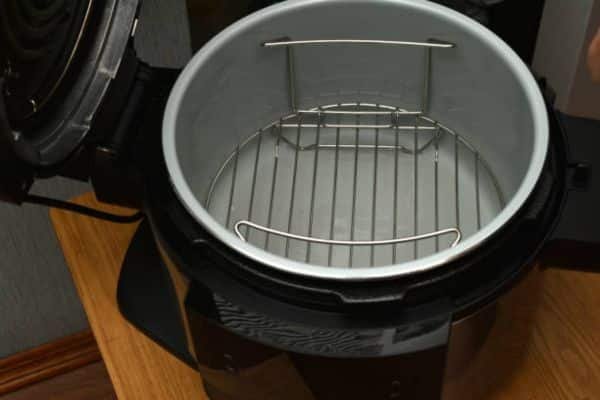
The inner pot must sit flat inside the cooker. An uneven pot can confuse the temperature sensor.
Remove the pot and place it back slowly. Make sure nothing sits underneath it.
Water under the pot may also stop the cooker from working properly.
Test The Rice Cooker Switch
The cook switch is one of the most used parts of the appliance. Over time, the switch may wear out.
Press the switch slowly and listen for a clicking sound. A weak or stuck switch may fail to activate cooking mode.
Sometimes grease or dust blocks smooth movement inside the switch area.
Clean Around The Switch Area
Kitchen grease builds up slowly over time. This dirt can affect button movement.
Use a dry brush or soft cloth to clean around the switch. Electrical contact cleaner may also help.
Avoid spraying water into the rice cooker body.
Check For A Blown Thermal Fuse
Many rice cookers contain a thermal fuse for safety. This small part protects the appliance from overheating.
Once the fuse blows, the rice cooker stops turning on completely. No light or heat appears after plugging it in.
Thermal fuse failure is very common in older rice cookers.
How To Replace The Thermal Fuse
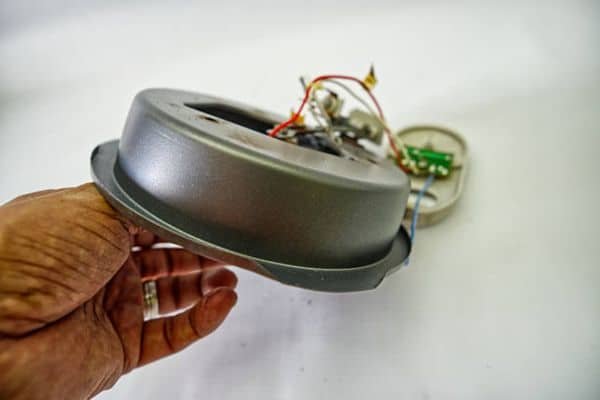
Unplug the rice cooker before opening anything. Remove the bottom screws carefully.
Locate the thermal fuse near the heating element. It usually looks small and cylindrical.
Use a multimeter to test continuity. Replace the fuse using the exact same rating for safe operation.
Inspect Internal Wiring
Heat and long-term use can damage wires inside the cooker.
Open the bottom cover and inspect the wiring carefully. Burn marks, melted insulation, or loose connectors are signs of damage.
Loose wires may stop electricity from reaching the heating system.
Check The Thermostat Sensor
The thermostat controls cooking temperature. A faulty thermostat may interrupt power flow. Common symptoms include random shutoffs, instant switching to warm mode, or complete failure to heat. Replacing the thermostat often restores normal function.
Reset Overheating Protection
Some modern rice cookers shut down automatically after overheating. Cooking without enough water or running the cooker too long may activate this protection feature.
Unplug the appliance and let it cool for at least 30 minutes. Plug it back in and test again afterward.
Inspect The Circuit Board
Digital rice cookers use electronic control boards. Power surges or moisture can damage these parts.
Signs of circuit board failure include flickering displays, dead screens, or buttons not responding.
Minor board damage may be repairable, but severe damage usually requires replacement.
Look For Burn Smells
A burning smell often points to electrical damage inside the rice cooker. Stop using the appliance immediately if smoke or strong burning odors appear. Burned wires or melted plastic should be repaired before using the cooker again.
Use A Multimeter For Testing
A multimeter helps identify electrical problems more accurately.
It can test:
- Thermal fuse continuity
- Power cord voltage
- Switch connections
- Thermostat operation
This tool saves time during troubleshooting.
Common Rice Cooker Parts That Fail
Some parts wear out faster because of heat and daily use.
These commonly fail:
- Thermal fuse
- Power cord
- Cook switch
- Thermostat
- Heating plate
- Circuit board
Replacing one damaged part often fixes the entire cooker.
Safety Tips During Repair
Safety always matters while repairing electrical appliances.
Always unplug the rice cooker before opening it. Never touch wires with wet hands.
Allow the appliance to cool fully before handling internal parts.
Use replacement components with matching voltage and ratings.
When To Replace The Rice Cooker
Sometimes replacing the cooker makes more sense than repairing it. A badly damaged circuit board or melted body may cost too much to fix. Very old rice cookers may also become less energy efficient over time. A newer model may cook faster and use less electricity.
Prevent Rice Cooker Power Problems
Simple maintenance helps prevent future failures. Clean the heating plate after every use. Keep the cooker dry and avoid dropping the inner pot.
Do not overload the appliance with excess rice or water. Unplug the cooker during strong electrical storms for extra protection.
Signs The Rice Cooker Needs Immediate Repair
Some warning signs should never be ignored.
Watch for:
- Smoke
- Sparks
- Burning smell
- Melted plug
- Loud buzzing
- Repeated power loss
Stop using the appliance immediately after noticing these problems.
Final Thoughts
Understanding how to fix rice cooker not turning on problems starts with simple troubleshooting. Many issues come from damaged cords, dirty heating plates, faulty switches, or blown thermal fuses. Careful inspection often solves the problem quickly.
Regular cleaning and proper use help keep the rice cooker working safely for many years.