

How to troubleshoot rice cooker problems is something many people search for after their appliance suddenly stops working properly. A rice cooker may stop heating, switch to warm mode too early, burn rice, or refuse to turn on completely. These issues can feel frustrating, especially during busy meal times. The good thing is that many rice cooker problems have simple solutions that do not require expensive repairs. With proper cleaning, basic inspection, and a few quick fixes, most common rice cooker issues can be solved safely at home.
Check The Power Source First
Many rice cooker problems start with the power supply. The cooker may look broken even though the outlet or cable is the real issue.
Start by unplugging the rice cooker. Look closely at the power cord for cuts, burns, or loose sections. Damaged cords can stop electricity from flowing properly.
Next, test the wall outlet using another appliance. A faulty outlet may cause the rice cooker to fail completely. Sometimes kitchen breakers also trip after using several appliances together.
After checking the outlet, reconnect the rice cooker firmly. Loose plugs often cause random shutdowns or heating problems.
Clean The Heating Plate Properly

A dirty heating plate is one of the biggest causes of rice cooker issues. Small grains of rice, oil, or water under the inner pot can block proper heat transfer.
Remove the inner pot and inspect the metal heating plate carefully. Wipe the surface using a soft damp cloth. Never use sharp tools because scratches may damage the sensor.
Also clean the bottom of the inner pot. A wet or dirty pot can confuse the cooker and trigger early warm mode.
After cleaning, dry every part fully before cooking again. Even small moisture spots can affect performance.
Make Sure The Inner Pot Sits Correctly
Rice cookers rely on good contact between the pot and heating plate. A slightly tilted pot may prevent proper cooking.
Place the empty pot inside the cooker and gently rotate it. The pot should sit flat without wobbling. Bent or damaged pots often create uneven heating.
Some users accidentally place rice grains beneath the pot. That tiny gap can stop the sensor from reading temperature correctly.
Correct placement helps the rice cooker cook evenly and switch modes at the right time.
Inspect The Rice Cooker Switch

The cook switch handles the main cooking cycle. A faulty switch may stop the cooker from entering cook mode.
Press the switch slowly and watch what happens. A healthy switch should lock into place until cooking finishes. A broken switch may pop back immediately.
Dust and food buildup sometimes block the mechanism. Cleaning around the switch area may solve the problem.
Older rice cookers often develop worn switches after years of use. In that case, replacement parts may be necessary.
Troubleshoot Rice Cooker Not Heating
A rice cooker that does not heat at all usually has electrical or sensor problems.
First, confirm the outlet works correctly. Then check whether the indicator light turns on. No light often points to a power issue.
A blown thermal fuse is another common cause. The thermal fuse protects the cooker from overheating. Once damaged, the cooker may stop heating completely.
Burn marks or a burning smell may indicate internal wiring damage. Electrical repairs should be handled carefully to avoid safety risks.
Basic cleaning solves many heating issues, but serious electrical faults may require professional repair.
Fix Rice Cooker Switching To Warm Too Early
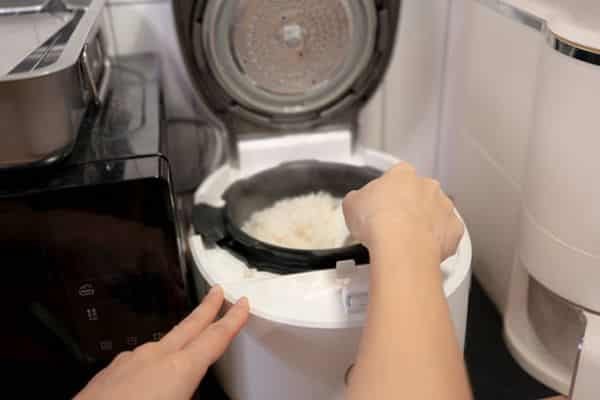
Many people complain that the cooker changes to warm mode before the rice finishes cooking.
This often happens because of incorrect water ratios. Too little water makes the cooker think cooking is complete too soon.
Dirty sensors can also trigger early switching. Cleaning the heating plate and temperature sensor usually helps.
Bent inner pots sometimes create uneven heat distribution. That confuses the automatic thermostat.
Using the correct amount of water and keeping the cooker clean solves this problem in many cases.
Stop Rice From Burning
Burnt rice is one of the most annoying rice cooker problems. The bottom layer becomes hard, dry, and difficult to clean.
Too little water is the main cause. Different rice types require different water levels. Brown rice usually needs more water than white rice.
Dirty heating plates also create hot spots that burn rice quickly. Cleaning helps heat spread more evenly.
Avoid leaving cooked rice on cook mode for too long. Some older rice cookers continue heating aggressively even after cooking ends.
Regular maintenance keeps cooking temperatures stable and reduces burning.
Handle Overflow And Boiling Problems
Rice cookers sometimes overflow with foam and water during cooking. This creates a mess around the lid and counter.
Overfilling is the most common reason. Every rice cooker has a maximum fill line that should not be exceeded.
Starchy rice may also foam heavily. Rinsing rice before cooking removes excess starch and reduces boiling over.
Blocked steam vents can trap pressure inside the cooker. Carefully clean the steam vent after every few uses.
Proper cleaning and correct rice amounts usually prevent overflow issues completely.
Troubleshoot Strange Smells
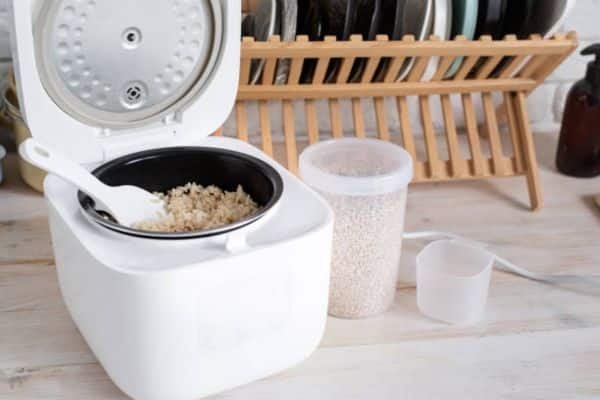
A bad smell coming from the rice cooker often means food residue is trapped inside.
Remove the lid and wash every removable part thoroughly. Steam vents and rubber seals commonly hold odors.
A vinegar and water mixture helps remove stubborn smells naturally. Run a short heating cycle with vinegar solution, then rinse carefully afterward.
Burning smells may signal electrical trouble instead of food buildup. Stop using the cooker immediately if wires smell burnt.
Keeping the cooker dry between uses helps prevent mold and unpleasant odors.
Fix Rice Cooker Lid Problems
Loose or damaged lids affect steam control. Without proper steam circulation, rice may cook unevenly.
Check whether the lid closes tightly. Broken hinges or worn seals may allow steam to escape.
Some removable lids collect food particles around the edges. Regular cleaning improves sealing and cooking performance.
Steam vent blockage can also increase pressure and affect lid function. Clean vents carefully with warm water and a soft brush.
A properly sealed lid helps maintain stable cooking temperatures.
Check The Thermal Sensor
Most modern rice cookers include a temperature sensor beneath the heating plate. This sensor detects cooking progress.
A dirty or stuck sensor may create several issues:
- early warm mode
- uneven cooking
- burnt rice
- cooking failure
Gently press the center sensor to confirm it moves freely. Sticky sensors often improve after cleaning.
Avoid forcing the sensor because delicate components sit underneath.
Keeping the sensor clean helps the cooker operate accurately.
Know When Parts Need Replacement
Some rice cooker problems cannot be fixed with cleaning alone. Old parts eventually wear out.
Common replacement parts include:
- inner pots
- power cords
- switches
- thermal fuses
- lids
- steam valves
Visible cracks, exposed wires, or melted plastic usually indicate replacement time.
Using damaged appliances can become dangerous. Safety should always come first.
Replacing one small part often costs less than buying a completely new rice cooker.
Prevent Future Rice Cooker Problems
Good maintenance prevents most rice cooker failures. Small habits make a big difference over time.
Always clean the cooker after every use. Remove stuck rice before it hardens. Keep the heating plate dry and smooth.
Avoid slamming the inner pot into place. Gentle handling protects sensors and heating components.
Store the rice cooker in a dry area away from moisture. Humidity can damage electrical parts slowly.
Using the correct rice-to-water ratio also reduces stress on the cooker.
Simple care helps rice cookers last for many years.
Final Thoughts
Learning how to troubleshoot rice cooker problems makes kitchen life much easier. Many issues come from dirt, moisture, worn parts, or incorrect setup rather than major damage.
Checking the power source, cleaning the heating plate, inspecting the sensor, and using proper water levels solve most common problems quickly. Regular maintenance also improves cooking performance and extends the appliance lifespan.
A rice cooker works best with simple care and attention. Small fixes today can prevent expensive replacements tomorrow.