
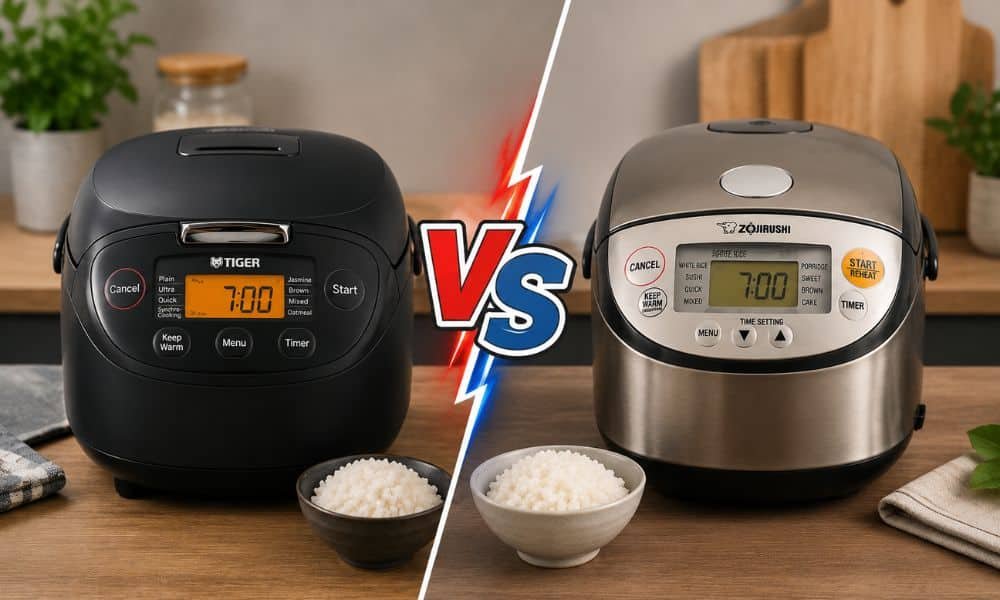
Choosing between a tiger vs zojirushi rice cooker can feel tough when both brands have such a strong reputation in American kitchens. After using both for daily meals, I noticed Tiger rice cookers usually cook faster and feel easier for quick weeknight dinners, while Zojirushi models make softer, more consistent rice with better long-term warming.
If you cook jasmine rice, sushi rice, or brown rice often, the small differences become very noticeable over time. Many home cooks and kitchen experts in the USA trust both brands for durability, but the right choice really depends on your cooking habits, budget, and the type of rice you enjoy most.
Tiger Rice Cooker Review
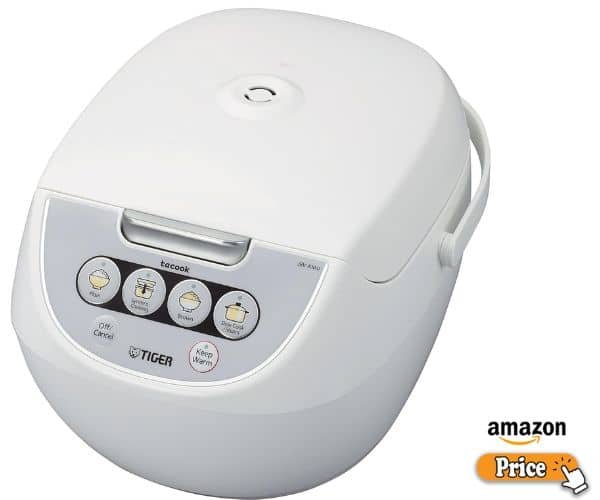
After using this Tiger rice cooker for a few weeks, I noticed it made daily cooking much easier during busy evenings. I mainly bought it to replace my old cooker that started making uneven rice, and I wanted something simple that could handle regular family meals without extra hassle.
I tested it with jasmine rice, brown rice, and basmati rice during weeknight dinners and weekend meal prep. Jasmine rice came out soft and fluffy without turning sticky. Brown rice tasted good too, although it needed more cooking time. The keep warm feature worked better than I expected because the rice still tasted fresh a few hours later instead of drying out.
The cooker also felt reliable after daily use. I liked how the nonstick pot cleaned easily after dinner, especially on nights when I did not want to spend extra time scrubbing dishes. The controls stayed simple, which made it easy to use early in the morning when I was half awake making rice for lunch prep.
| Pros | Cons |
| Rice cooks evenly | Brown rice takes longer |
| Fast cooking time | Slightly bulky |
| Keep warm mode works well | Buttons feel basic |
| Easy to clean | Premium models cost more |
| Reliable for daily use |
One small thing I noticed was that the lid became a little warm during longer cooking cycles. It also takes up a bit more counter space than compact rice cookers. Still, after weeks of testing, the cooking performance stayed consistent without uneven texture or steam problems.
Overall, I think this Tiger rice cooker works best for small families, students, or anyone who cooks rice several times a week and wants reliable results without complicated settings.
Zojirushi Rice Cooker Review
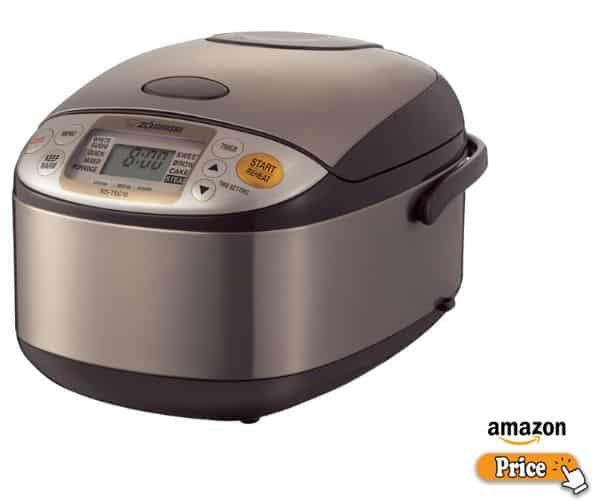
After using this Zojirushi rice cooker for several weeks, I quickly noticed how much more consistent the rice texture felt compared to my older cooker. I mainly bought it because I wanted softer rice for family dinners and better results with brown rice during weekly meal prep.
I tested it with sushi rice, jasmine rice, brown rice, and basmati rice during busy evenings and weekend cooking. The rice came out soft and evenly cooked almost every time without feeling too wet or dry. One thing I really liked was the keep warm feature. On a long Sunday afternoon, the rice still tasted fresh hours later without getting hard around the edges.
The cooker also handled brown rice much better than my previous machine. Brown rice usually came out dry in my old cooker, but this one kept a better texture and moisture balance. After weeks of regular use, the cooking stayed consistent without random undercooked spots or excess steam leaking from the lid.
| Pros | Cons |
| Very consistent rice texture | Longer cooking time |
| Excellent keep warm feature | More expensive |
| Great for brown rice | Slightly bulky |
| Easy to clean | Many settings at first |
| Reliable for daily use |
One small downside is that cooking cycles can feel slow compared to simpler rice cookers, especially when making brown rice. The menu settings also took me a few days to fully understand. Still, after regular daily use, the controls became easy to follow and the cleanup stayed simple thanks to the nonstick inner pot.
Overall, I think this Zojirushi rice cooker works best for people who cook rice often and care about texture, consistency, and reliable long-term performance.
Details Comparison For Aluminium Vs Stainless Steel Baking Tray
After testing both aluminium and stainless steel baking trays for cookies, roasted vegetables, and frozen foods, I noticed they behave very differently in daily cooking. One heats faster and browns food better, while the other feels stronger and handles acidic foods more safely over time.
Heat Performance And Baking Results
Aluminium trays heated up much faster during baking. Cookies browned more evenly, and roasted vegetables developed crisp edges quicker. Stainless steel trays cooked more slowly but gave steadier heat during longer baking sessions.
| Feature | Aluminium Baking Tray | Stainless Steel Baking Tray |
| Heating speed | Faster | Slower |
| Browning performance | Better crisping | More gentle browning |
| Heat distribution | Very even | Slightly uneven sometimes |
| Best for | Cookies, roasting | Slow baking |
In my kitchen, aluminium worked better for quick weeknight baking when I wanted crisp results fast.
Durability And Long-Term Use
After several weeks of testing, stainless steel trays looked newer and resisted scratches better. Aluminium trays performed well but started showing stains and small marks sooner, especially after high-heat roasting.
| Feature | Aluminium Baking Tray | Stainless Steel Baking Tray |
| Scratch resistance | Moderate | Strong |
| Warp resistance | Can warp at high heat | More stable |
| Weight | Lightweight | Heavier |
| Long-term appearance | Shows wear faster | Stays polished longer |
The stainless steel tray felt more premium in hand, especially during heavy use.
Cleaning And Daily Convenience
Aluminium trays cleaned quickly after simple baking jobs, but greasy roasted foods sometimes left darker stains. Stainless steel needed a little more scrubbing but handled stronger cleaning without damage.
| Feature | Aluminium Baking Tray | Stainless Steel Baking Tray |
| Easy cleanup | Very easy | Moderate |
| Stain resistance | Lower | Better |
| Dishwasher durability | Moderate | Strong |
| Maintenance | Needs gentle care | More forgiving |
I noticed stainless steel handled tomato-based foods better without discoloration.
Cooking Flexibility And Food Compatibility
Aluminium baking trays worked best for baking cookies, fries, and sheet pan dinners. Stainless steel trays felt safer for acidic foods like tomatoes, lemon marinades, and vinegar-based recipes.
| Feature | Aluminium Baking Tray | Stainless Steel Baking Tray |
| Acidic food handling | Less ideal | Better |
| Baking versatility | Excellent | Very good |
| Roasting vegetables | Excellent | Good |
| Everyday meal prep | Fast and easy | Reliable |
For family meal prep, aluminium saved more cooking time during busy evenings.
Value For Money And Best Use Case
Aluminium trays usually cost less and deliver excellent baking performance for most home cooks. Stainless steel trays cost more but feel stronger and last longer with regular use.
| Feature | Aluminium Baking Tray | Stainless Steel Baking Tray |
| Price | More affordable | More expensive |
| Performance for baking | Excellent | Very good |
| Longevity | Moderate | Excellent |
| Best for | Everyday baking | Long-term durability |
If someone bakes often and wants crisp results, aluminium feels like the better value. For long-term durability and heavier cooking, stainless steel feels more dependable.
Conclusion
After using both trays regularly, I found aluminium baking trays better for fast heating, crispy roasting, and everyday baking. Stainless steel trays felt stronger, lasted longer, and handled acidic foods more confidently. In real kitchen use, neither felt perfect for every situation, so the better choice depends on cooking style, cleaning habits, and how often the tray gets used each week.