
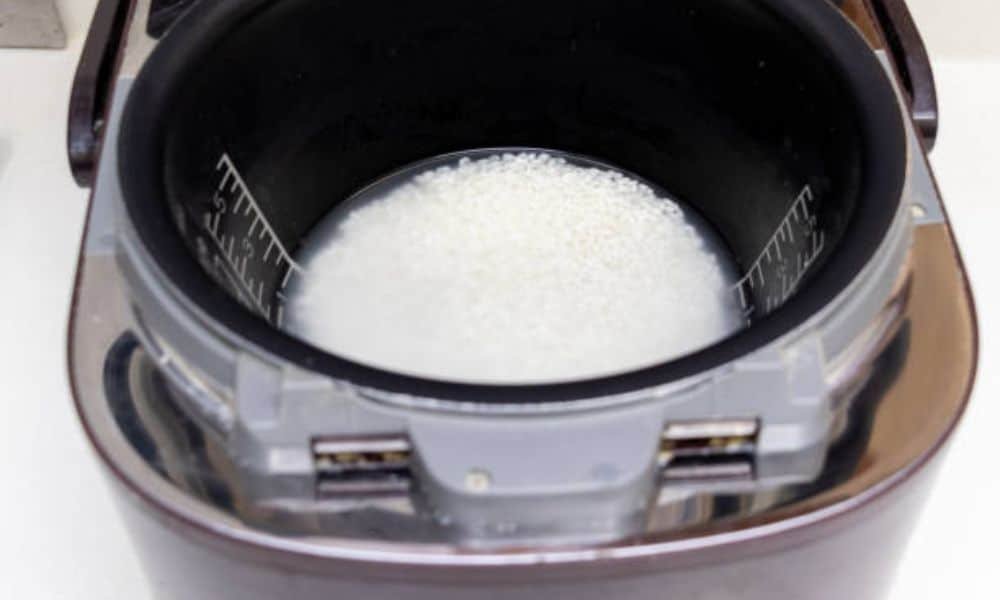
Getting fluffy and soft rice at home often depends on one simple thing. The measurements must be accurate. Many people use too much water or too little without realizing it. That small mistake can turn rice sticky, dry, mushy, or even burnt at the bottom of the cooker.
A rice cooker makes cooking easier, but it still needs the correct balance to work properly. Different rice varieties absorb water differently, so understanding the right measurements helps create consistent results. With a few simple adjustments, almost anyone can cook better rice with less effort and fewer kitchen mistakes.
Why The Rice To Water Ratio Matters
Rice absorbs water during cooking. Too much water creates sticky or soggy rice. Too little water leaves the center hard and dry. A balanced ratio allows the grains to cook evenly while keeping the right texture.
Rice cookers work by sensing steam and temperature. Incorrect water levels confuse the cooking cycle. This often causes burnt rice, undercooked rice, or wet rice sitting on top.
The correct amount of water helps:
- Cook rice evenly
- Prevent burning
- Improve texture
- Reduce sticking
- Keep grains fluffy
Standard Rice Cooker Water To Rice Ratio
The most common ratio for white rice is:
- 1 cup rice = 1.5 to 2 cups water
This works well for most basic rice cookers. The exact amount depends on the rice type and texture preference.
Some people prefer softer rice with slightly more water. Others like firmer rice with less water. Testing small adjustments helps find the perfect texture.
Water To Rice Ratio For Different Rice Types
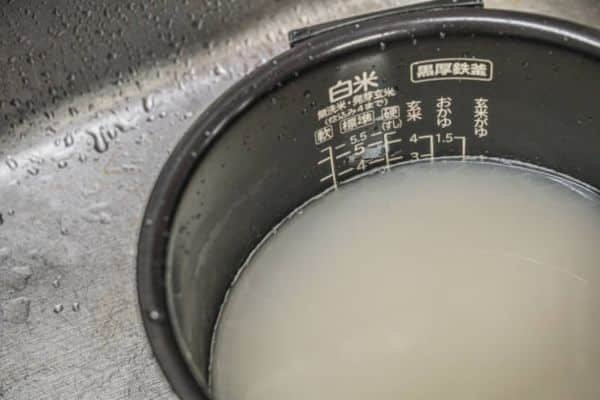
Different rice absorbs water differently. Long grain rice needs less water than sticky rice or brown rice.
White Rice
White rice cooks quickly and needs less water than brown rice.
Recommended ratio:
- 1 cup rice = 1.5 cups water
For softer rice:
- 1 cup rice = 1.75 cups water
Jasmine Rice
Jasmine rice becomes soft and fragrant with moderate water.
Recommended ratio:
- 1 cup rice = 1.25 to 1.5 cups water
Too much water makes jasmine rice sticky.
Basmati Rice
Basmati rice should stay light and separate after cooking.
Recommended ratio:
- 1 cup rice = 1.25 cups water
Rinsing before cooking improves texture.
Brown Rice
Brown rice has an outer bran layer, so it needs more water and cooking time.
Recommended ratio:
- 1 cup rice = 2 to 2.5 cups water
Some rice cookers include a special brown rice setting for better results.
Sushi Rice
Sushi rice needs enough moisture to stay slightly sticky.
Recommended ratio:
- 1 cup rice = 1.25 cups water
Avoid adding too much water because sushi rice becomes overly soft quickly.
Sticky Rice
Sticky rice absorbs large amounts of moisture.
Recommended ratio:
- 1 cup rice = 1.5 to 2 cups water
Soaking before cooking helps improve texture.
Should Rice Be Rinsed Before Cooking?
Rinsing removes extra starch from the surface of the grains. This helps prevent sticky rice and cloudy water.
Most white rice benefits from rinsing. Brown rice usually needs only light rinsing.
To rinse rice:
- Place rice in a bowl
- Add cold water
- Swirl gently
- Drain water
- Repeat until water looks clearer
Rinsed rice often cooks more evenly inside a rice cooker.
Using The Rice Cooker Measuring Cup
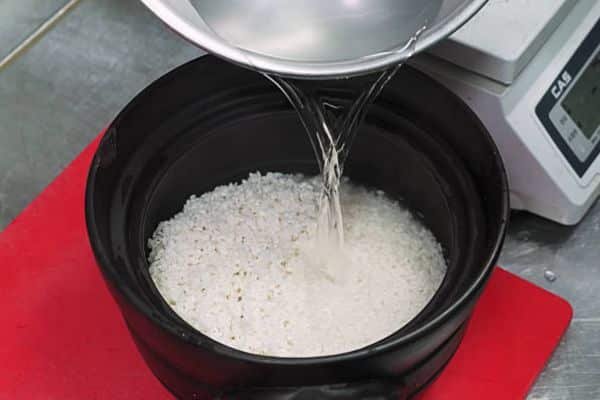
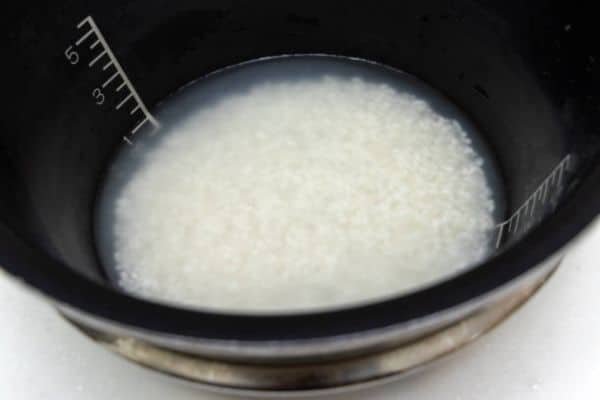
Many rice cookers come with a small measuring cup. This cup is usually smaller than a standard kitchen cup.
A rice cooker cup is normally about 180 ml, while a standard measuring cup is 240 ml. Mixing the two causes incorrect ratios.
Always use:
- The rice cooker cup for rice
- The matching water lines inside the cooker
This keeps measurements accurate.
Common Rice Cooker Ratio Mistakes
Small mistakes can ruin the texture of rice. These problems happen often in busy kitchens.
Adding Too Much Water
Extra water creates:
- Mushy rice
- Wet texture
- Clumping
Reduce water slightly next time.
Adding Too Little Water
Not enough water causes:
- Hard rice
- Burnt bottom layer
- Crunchy center
Add a little more water during the next batch.
Opening The Lid Too Early
Steam is important during cooking. Opening the lid releases heat and moisture.
Leave the lid closed until the cycle finishes.
Skipping The Resting Time
Rice continues absorbing moisture after cooking stops.
Let rice sit for:
- 5 to 10 minutes
This improves texture and fluffiness.
How To Make Rice Fluffy In A Rice Cooker
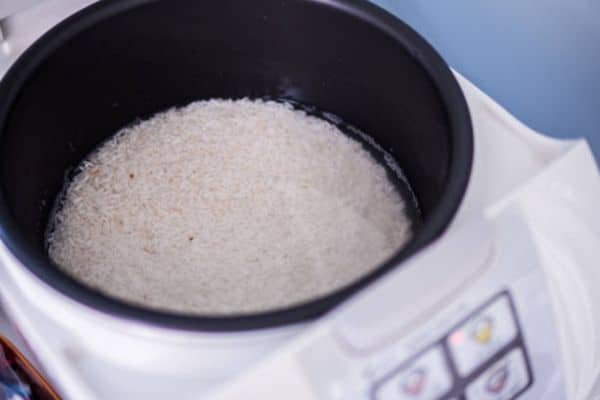
Perfect fluffy rice comes from more than just water ratios.
Use Fresh Rice
Old rice dries out and cooks unevenly.
Measure Carefully
Even small differences affect the final texture.
Fluff With A Rice Paddle
Stir gently after cooking to separate grains.
Avoid Overfilling
Too much rice blocks steam circulation.
Keep The Lid Closed
Steam finishing helps soften the grains evenly.
Signs Your Rice Ratio Is Wrong
The texture of cooked rice reveals measurement problems quickly.
Rice Is Mushy
Possible causes:
- Too much water
- Too much steam trapped inside
- Not enough rinsing
Rice Is Dry
Possible causes:
- Too little water
- Cooker overheating
- Lid opened during cooking
Rice Is Burnt At The Bottom
Possible causes:
- Water evaporated too fast
- Incorrect ratio
- Faulty heating plate
A damaged cooker can also cause heating problems. Problems like these sometimes happen alongside electrical issues. Reading about rice cooker repair tips can help identify deeper appliance problems.
Best Water Ratios For Soft Or Firm Rice
Texture preference changes the ideal ratio slightly.
For Softer Rice
Add:
- Extra 1/4 cup water per cup of rice
For Firmer Rice
Reduce:
- About 1/4 cup water
Testing small changes helps create the perfect texture for personal taste.
Does Altitude Affect Rice Cooker Ratios?
High altitude changes boiling temperatures. Water evaporates faster in elevated areas.
People living in mountain regions may need:
- Slightly more water
- Longer cooking times
Most modern rice cookers adjust automatically, but older models may struggle.
Can Broth Replace Water?
Yes. Chicken broth, vegetable broth, or coconut milk can replace water for more flavor.
Keep the same ratio while replacing liquids.
Examples:
- 1 cup rice = 1.5 cups broth
- 1 cup jasmine rice = 1.25 cups coconut milk
Avoid thick sauces because they may burn.
Tips For Better Rice Cooker Results
Simple habits improve consistency.
Clean The Inner Pot
Leftover starch affects heating.
Check The Heating Plate
Dirt under the pot reduces heat transfer.
Use The Correct Rice Setting
Modern cookers include settings for:
- White rice
- Brown rice
- Quick cook
- Steam
Store Rice Properly
Keep rice sealed in a cool dry place.
Moisture exposure changes cooking performance over time.
Frequently Asked Questions
How Much Water For 2 Cups Of Rice?
Most white rice needs:
- 2 cups rice = 3 to 4 cups water
The amount depends on rice type and texture preference.
Why Is Rice Sticky In The Rice Cooker?
Sticky rice often comes from:
- Too much water
- Not rinsing rice
- Overcooking
Can Rice Sit In The Cooker After Cooking?
Yes. Most rice cookers switch to warm mode automatically.
Rice stays fresh for:
- Around 1 to 2 hours
Longer times may dry out the rice.
Is Brown Rice Healthier Than White Rice?
Brown rice contains more fiber and nutrients because the bran layer remains intact.
It also needs more water and longer cooking.
Final Thoughts
Learning the correct rice cooker water to rice ratio makes cooking much easier. Small measurement changes create big differences in texture. Once the right balance is found, rice becomes soft, fluffy, and consistent without much effort.
Different rice types always need different water levels. Measuring carefully, rinsing properly, and letting rice rest after cooking all help improve results. With a few simple adjustments, almost any rice cooker can produce restaurant-quality rice at home.