
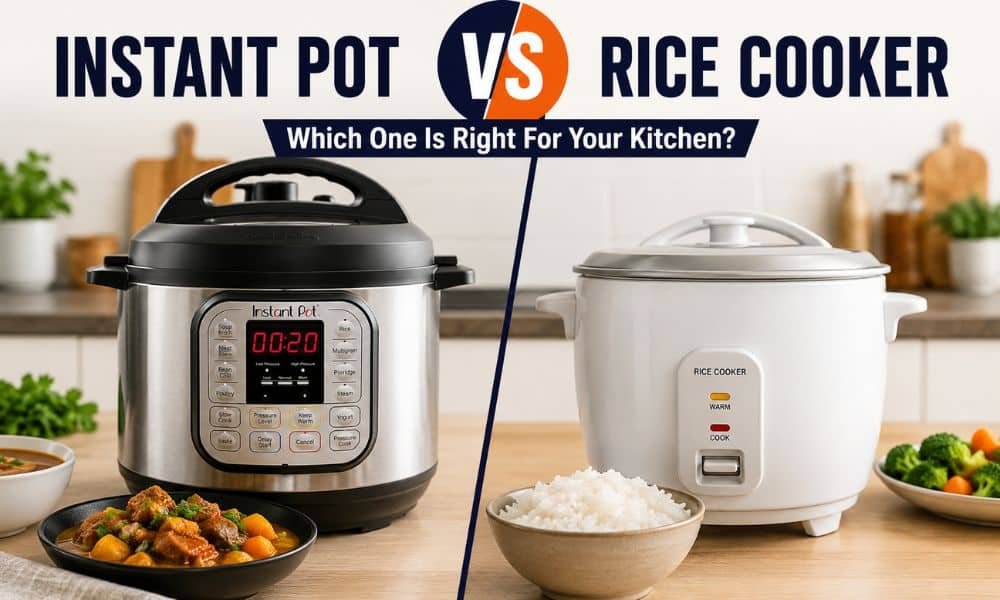
Instant Pot Vs Rice Cooker is a common comparison for people who want faster and easier cooking at home. Some buyers prefer a versatile appliance that can handle soups, meat, beans, and full meals. Others want a simple machine that cooks soft, fluffy rice without extra effort.
Both appliances save time and reduce kitchen stress, but they work very differently. Cooking speed, versatility, ease of use, cleaning, and price all matter before making a decision. Understanding these differences helps buyers choose the right appliance for their daily cooking needs.
Quick Comparison Table
| Feature | Instant Pot | Rice Cooker |
| Main Purpose | Multi-cooker | Rice cooking |
| Cooking Speed | Very fast | Moderate |
| Pressure Cooking | Yes | No |
| Best For | Full meals | Rice and grains |
| Ease of Use | Medium | Very easy |
| Cleaning | More parts | Simple cleaning |
| Energy Use | Moderate | Low |
| Price Range | Higher | Lower |
What Is An Instant Pot?
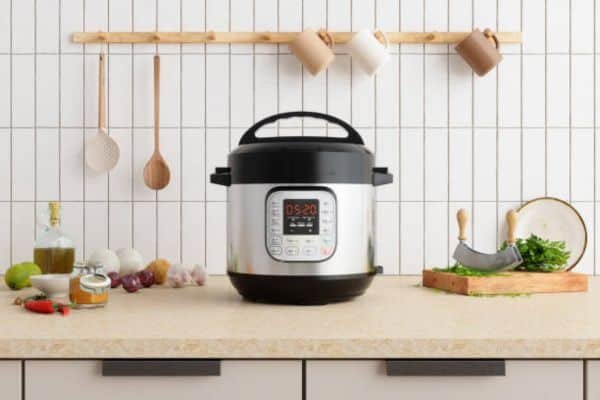
An Instant Pot is a multi-functional electric cooker. It combines several kitchen tools into one machine. Most models work as a pressure cooker, slow cooker, steamer, sauté pan, yogurt maker, and rice cooker.
People enjoy Instant Pots because they cook food quickly. Tough meat becomes tender in less time. Beans cook without soaking overnight. Soups and stews also become easier to prepare.
Common Instant Pot Features
- Pressure cooking
- Slow cooking
- Steaming
- Yogurt making
- Sauté function
- Delayed cooking timer
- Keep warm mode
What Is A Rice Cooker?
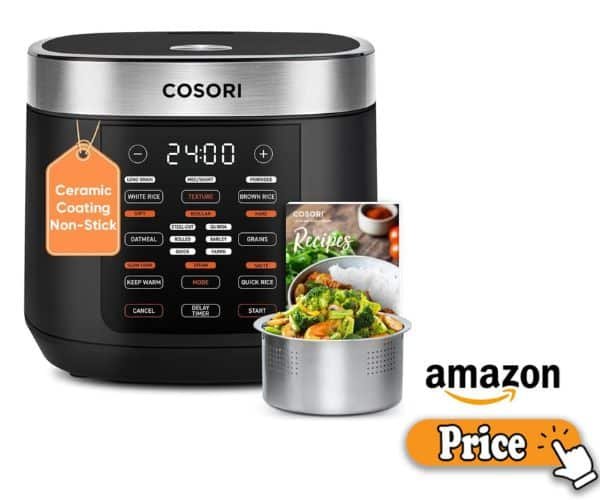
A rice cooker is designed mainly for cooking rice perfectly. It controls heat and moisture automatically. The machine switches to warm mode after cooking finishes.
Modern rice cookers can also cook quinoa, oatmeal, steamed vegetables, and soups. Still, rice remains the main focus.
Common Rice Cooker Features
- White rice mode
- Brown rice mode
- Keep warm setting
- Steam basket
- Timer settings
- Non-stick inner pot
Cooking Performance Comparison
Rice Quality
Rice cookers usually produce better rice texture. The cooking process stays balanced and consistent. Many users notice fluffier grains and less sticking.
Instant Pots can cook rice too, but the texture sometimes varies. Water ratios need careful adjustment.
For daily rice lovers, a rice cooker often feels more reliable.
Speed And Convenience
Instant Pots cook meals much faster because of pressure cooking technology. Large meals finish quickly. Busy families appreciate this advantage.
Rice cookers work slower but require less attention. Add rice and water, then press one button. The process feels simple and stress-free.
Versatility
This area strongly favors the Instant Pot.
An Instant Pot can prepare:
- Chili
- Soup
- Chicken curry
- Beef stew
- Beans
- Pasta
- Rice
- Yogurt
A rice cooker mainly handles grains and basic steaming tasks.
People who want one appliance for many meals often choose an Instant Pot.
Ease Of Use
Rice cookers are easier for beginners. The controls stay simple and clear. Most models use only a few buttons.
Instant Pots require more learning. Pressure release methods, timers, and settings may confuse new users at first.
Some users feel nervous during early pressure cooking attempts.
Cleaning And Maintenance
Rice cookers usually clean faster because they contain fewer removable parts.
Instant Pots include:
- Lid seal
- Steam valve
- Inner pot
- Condensation collector
These extra parts need regular cleaning to avoid odors.
Energy Efficiency
Both appliances use less energy than stovetop cooking. Rice cookers generally consume slightly less electricity because they perform fewer tasks.
Instant Pots save time, which also helps reduce energy use during long cooking sessions.
Safety Features
Modern Instant Pots include several safety systems:
- Pressure lock lid
- Steam release valve
- Temperature monitoring
- Automatic shutoff
Rice cookers also include safety protection but operate with lower pressure and simpler mechanics.
Many people feel more comfortable using rice cookers because they seem less intimidating.
Best Choice For Small Kitchens
Rice cookers usually take less space. Compact models fit easily in apartments, dorm rooms, and small kitchens.
Instant Pots are bulkier because they support many cooking methods.
Price Comparison
Basic rice cookers cost less than most Instant Pots.
Average Pricing
| Appliance | Budget Range |
| Rice Cooker | $20–$80 |
| Instant Pot | $70–$200 |
Advanced rice cookers with fuzzy logic technology may become expensive too.
Which Appliance Is Better For Families?
Large families often prefer Instant Pots because they cook complete meals quickly.
Small households or rice-focused diets may benefit more from rice cookers.
The decision depends on eating habits more than family size alone.
Pros And Cons Of Instant Pot
Pros
- Extremely versatile
- Faster cooking
- Saves kitchen space
- Great for meal prep
Cons
- Learning curve
- Larger size
- More cleaning parts
- Higher price
Pros And Cons Of Rice Cooker
Pros
- Perfect rice texture
- Easy to use
- Affordable
- Simple cleaning
Cons
- Limited cooking options
- Slower for some meals
- Less versatility
Who Should Buy An Instant Pot?
An Instant Pot works best for:
- Busy families
- Meal prep lovers
- People who cook soups and meat often
- Users wanting one appliance for many recipes
Who Should Buy A Rice Cooker?
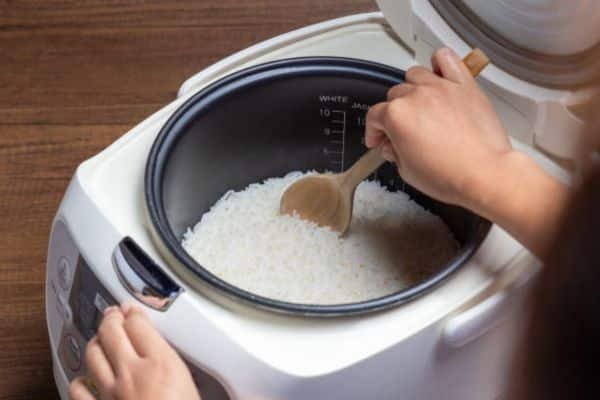
A rice cooker works best for:
- Daily rice eaters
- Students
- Small kitchens
- Beginners
- People wanting simple cooking
Final Verdict
The Instant Pot and rice cooker both offer useful benefits. One focuses on versatility and speed. The other focuses on simplicity and perfect rice texture.
People who cook many types of meals may prefer an Instant Pot. Rice lovers who want reliable results every day often feel happier with a dedicated rice cooker.
The best choice depends on cooking style, budget, and kitchen needs.