
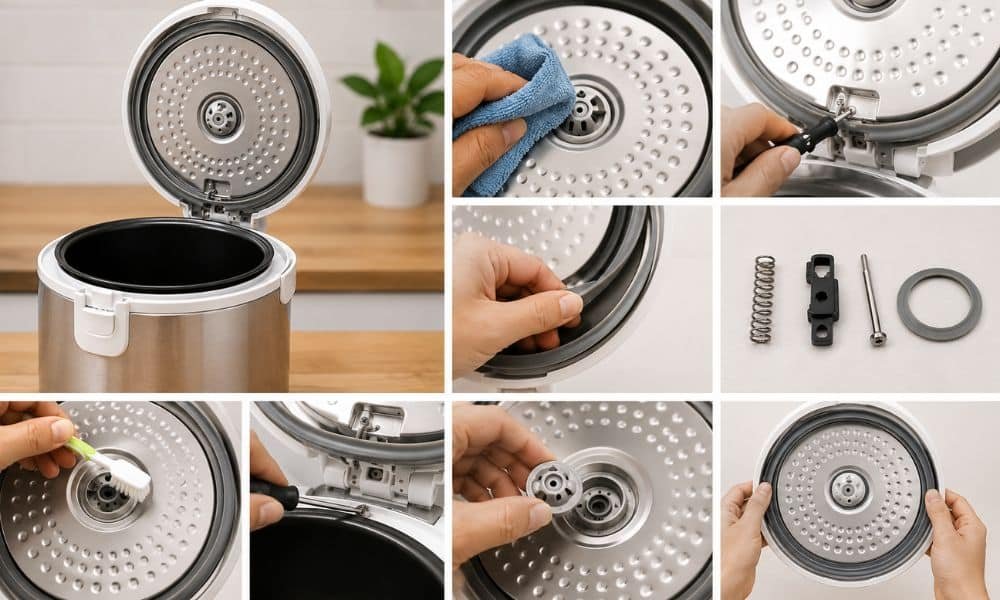
A damaged rice cooker lid can make cooking frustrating and messy. Learning how to fix rice cooker lid problems helps keep the appliance working properly without spending money on a new cooker. Loose hinges, broken latches, steam leaks, and stuck lids are common issues in many rice cooker models. Most of these problems are simple to repair with basic cleaning, tightening, or part replacement at home.
Common Rice Cooker Lid Problems
Rice cooker lids usually fail in a few common ways. Some lids refuse to close. Others pop open during cooking. A few become loose or stop sealing steam properly. These issues often come from dirt buildup, broken springs, bent hinges, or worn rubber seals.
Steam escaping from the lid is another common issue. That can make rice dry, uneven, or undercooked. A damaged lid also causes longer cooking times and extra moisture around the cooker.
Signs Your Rice Cooker Lid Needs Repair
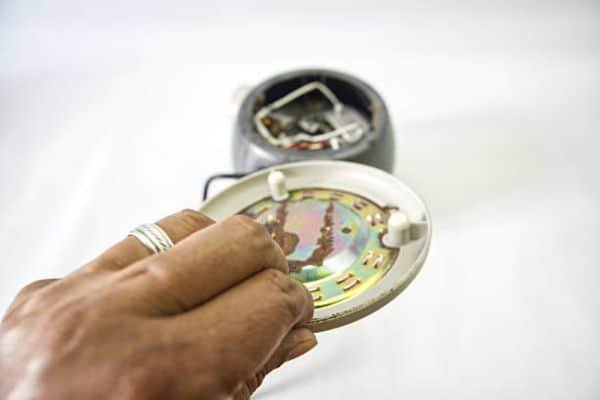
A faulty lid normally gives clear warning signs before it fully breaks.
Lid Does Not Close Properly
The latch may feel stuck or loose. Food particles around the lock area often cause this problem.
Steam Leaks Around The Edges
Steam should only escape through the steam vent. Side leaks usually mean the seal is dirty or damaged.
Loose Or Wobbly Hinge
Frequent opening and closing can loosen hinge screws over time.
Lid Pops Open While Cooking
This normally happens because of pressure buildup or a broken latch mechanism.
Unplug The Rice Cooker First
Safety should always come first before starting repairs. Unplug the cooker and let it cool completely. Steam and metal parts stay hot for a long time after cooking.
Place the rice cooker on a dry flat surface with enough light. Keep a soft cloth nearby to protect the cooker body from scratches.
Tools You May Need
Most rice cooker lid repairs only need simple household tools.
- Small screwdriver
- Soft cloth
- Warm water
- Dish soap
- Cotton swabs
- Toothbrush
- Replacement screws or seal
- Silicone lubricant
A flashlight also helps while checking hidden hinge areas.
Clean The Lid Thoroughly
Dirty lids cause many closing and sealing problems. Steam mixes with starch and creates sticky buildup around the hinge and lock.
Remove the inner lid plate first. Most models either twist off or unclip easily. Wash it with warm water and dish soap. Use a toothbrush to clean tight corners.
Pay extra attention to:
- Steam vent
- Latch area
- Rubber gasket
- Hinge corners
Dry everything completely before reinstalling.
Fix A Rice Cooker Lid That Will Not Close
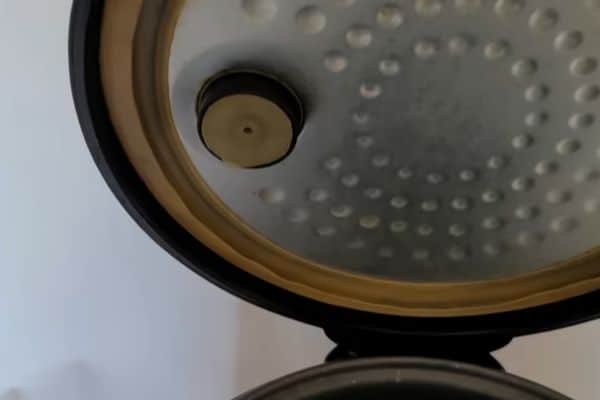
A lid that refuses to close usually has alignment or latch issues.
Check For Food Debris
Tiny grains of rice often get stuck near the latch. Even small pieces can stop the lock from clicking properly.
Clean the area carefully using a cotton swab or soft brush.
Inspect The Latch Mechanism
Press the latch button several times. It should move smoothly without sticking.
A weak spring may prevent proper locking. Some springs can be repositioned carefully with tweezers.
Tighten Loose Screws
Open the lid fully and inspect hinge screws. Tighten any loose screws with a screwdriver. Avoid over-tightening because plastic parts can crack.
How To Fix Steam Leaking From The Lid
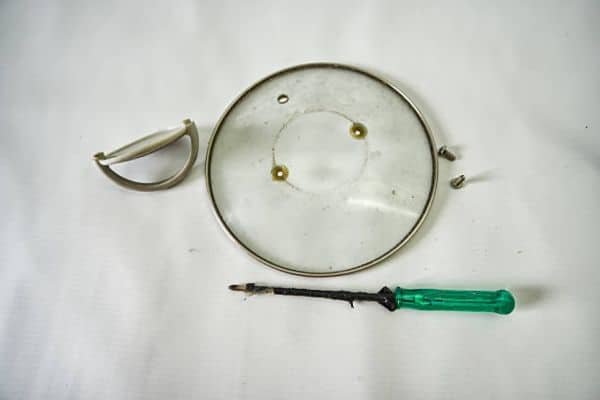
Steam leaks reduce cooking performance and create watery rice.
Inspect The Rubber Seal
The rubber gasket around the lid must sit evenly. A twisted or damaged seal allows steam to escape.
Remove the seal gently and wash it with warm water. Dry it fully before reinstalling.
Replace A Worn Gasket
Old seals become hard or cracked after years of heat exposure. Replacement seals are available for most major rice cooker brands.
Always buy the correct size for the model.
Clean The Steam Vent
Blocked vents force steam out from other areas. Use a brush or toothpick to remove buildup carefully.
Repair A Loose Rice Cooker Lid Hinge
Loose hinges make the lid unstable and difficult to lock.
Tighten Hinge Screws
Most hinge problems come from vibration and regular use. Tightening screws often solves the issue quickly.
Check For Broken Plastic
Inspect the hinge mount closely. Cracked plastic may prevent screws from holding tightly.
Small cracks can sometimes be reinforced using heat-resistant epoxy glue.
Replace Broken Hinges
Some rice cooker brands sell replacement hinge kits. These are usually inexpensive and easy to install with basic tools.
Fix A Lid That Pops Open During Cooking
A lid opening during cooking can create a mess and interrupt cooking cycles.
Check Steam Pressure
Blocked vents increase internal pressure. Clean the steam release area completely.
Examine The Locking Hook
A worn locking hook may no longer hold the lid securely. Compare it with photos from the manufacturer if possible.
Avoid Overfilling The Cooker
Too much rice or water creates excess pressure. Always follow the maximum fill line inside the pot.
How To Repair A Bent Lid
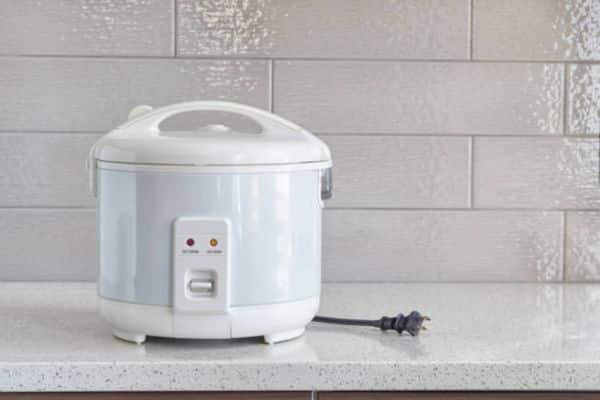
A bent lid prevents proper sealing.
Place the lid on a flat surface and check for uneven gaps. Minor bends can sometimes be corrected gently by hand. Work slowly to avoid cracking metal or plastic parts.
Severely warped lids usually need replacement because poor sealing affects cooking quality.
Lubricate Moving Parts
Some lid mechanisms become stiff over time.
Apply a tiny amount of food-safe silicone lubricant to:
- Hinges
- Springs
- Latch components
Avoid using cooking oil because it attracts dust and food particles.
Replace The Entire Lid Assembly
Sometimes repairing individual parts costs more time than replacing the whole lid.
Replacement lids are available from:
- Manufacturer websites
- Appliance parts stores
- Online marketplaces
Match the exact model number before ordering.
Prevent Future Rice Cooker Lid Problems
Simple maintenance keeps the lid working smoothly for years.
Clean After Every Use
Steam residue hardens quickly. Wiping the lid after cooking prevents buildup.
Avoid Slamming The Lid
Closing the lid gently reduces stress on the hinge and lock.
Empty The Steam Vent Regularly
A clogged vent creates pressure problems and moisture buildup.
Store The Cooker Properly
Keep the lid slightly open during storage to prevent trapped moisture and odors.
When To Replace The Rice Cooker
Some rice cookers become unsafe after heavy wear.
Consider replacement when:
- Multiple plastic parts crack
- Electrical components fail
- Steam leaks continue after repairs
- Hinges repeatedly break
Older low-cost cookers may not justify expensive repairs.
Final Thoughts
Learning how to fix rice cooker lid problems can save money and extend the life of the appliance. Most issues come from dirt, loose screws, worn seals, or damaged hinges. Careful cleaning and small repairs often restore normal performance quickly.
Regular maintenance also prevents future lid problems. A clean and properly sealed lid helps rice cook evenly, keeps steam controlled, and makes the cooker safer to use every day.