
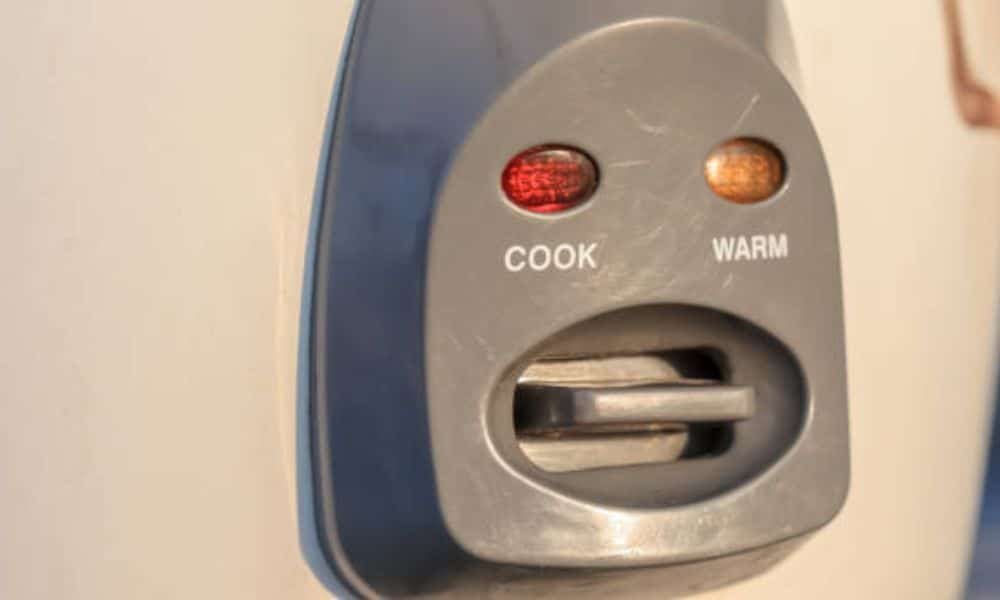
How to fix rice cooker warm mode problem is a common question many people search after their rice cooker suddenly stops cooking properly. The cooker may switch to warm mode too early or refuse to stay in cook mode at all. This problem can leave rice undercooked, hard, or uneven. The good news is that many warm mode issues happen because of dirt buildup, sensor trouble, or small worn parts that are often easy to fix at hom
Why A Rice Cooker Gets Stuck In Warm Mode
Most rice cookers use a heat sensor and thermostat system. The cooker switches to warm mode once it senses the correct temperature. A faulty sensor, damaged switch, loose connection, or dirty heating plate can confuse the system. The cooker then believes the rice is already done.
Older rice cookers usually develop this issue after heavy daily use. Steam, moisture, food debris, and heat slowly affect internal parts. Digital rice cookers may also exhibit warm-mode issues due to board or sensor faults.
Signs Of A Rice Cooker Warm Mode Problem
A few common signs help identify the issue early.
- Rice stays half cooked
- Cooker switches to warm within minutes
- Warm light stays on constantly
- Cook button will not stay down
- Rice takes too long to cook
- Bottom heating feels weak
- Cooker clicks repeatedly
These symptoms usually point toward a thermostat or heating problem.
Unplug The Rice Cooker First
Safety always comes first before opening or cleaning the appliance. Disconnect the power cord completely. Let the rice cooker cool for at least 20 minutes. Some internal parts stay hot long after cooking ends.
Avoid touching wires or metal parts with wet hands. A dry working area helps prevent accidents during inspection. For premium cooking performance, many people compare different brands before upgrading. Read this detailed guide on tiger vs zojirushi rice cooker to understand which model fits your kitchen needs better.
Clean The Heating Plate Properly
A dirty heating plate causes many warm mode problems. Tiny grains of rice, oil, or burned residue stop the inner pot from sitting flat. The temperature sensor then gives false readings.
Remove the inner pot carefully. Wipe the heating plate using a soft damp cloth. Clean stubborn dirt gently using baking soda paste. Never scrub with sharp metal tools because scratches affect heat transfer.
Dry everything fully before testing the cooker again.
Check The Inner Pot Bottom
The bottom of the inner pot should stay smooth and flat. Dents or warped surfaces stop proper contact with the heating element. Poor contact leads to incorrect temperature readings.
Turn the pot upside down and inspect the surface closely. Replace badly damaged pots because repair rarely works long term. A good inner pot improves cooking consistency immediately.
Inspect The Rice Cooker Switch
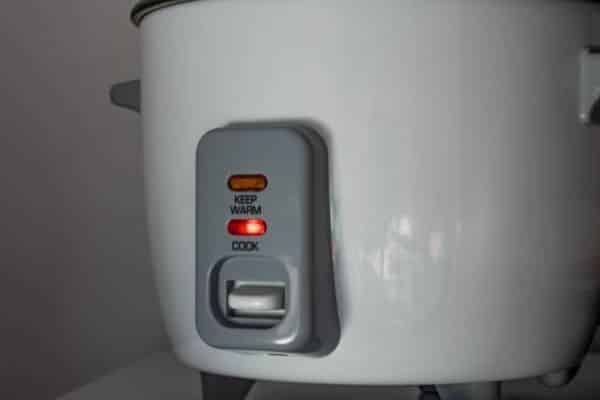
The cook switch often becomes weak after years of use. A worn switch cannot lock into cooking mode correctly. The cooker then jumps back to warm mode within seconds.
Press the switch slowly and observe the movement. Sticky or loose buttons usually need cleaning or replacement. Some rice cookers allow easy switch replacement using simple tools.
A damaged switch should not be forced repeatedly because the mechanism may break completely.
Examine The Thermal Sensor
The thermal sensor sits in the center of the heating plate. This small round piece rises upward during cooking. The sensor detects heat levels and controls mode switching.
Food particles around the sensor block movement. The sensor then reacts incorrectly.
Press the sensor gently with a finger after unplugging the cooker. Smooth movement means the sensor still works well. Stiff or stuck movement suggests dirt or internal damage.
Clean the area around the sensor carefully using a dry cloth or soft brush.
Test The Heating Element
Weak heating creates another common warm mode issue. The rice cooker cannot reach full cooking temperature, so the system switches modes incorrectly.
Signs of heating element trouble include:
- Slow cooking
- Uneven rice texture
- Weak steam production
- Frequent mode switching
A damaged heating element usually requires replacement. Skilled repair technicians handle this repair more safely.
Look For Loose Power Connections
Loose internal wires affect heat flow and sensor communication. Constant heating and cooling slowly loosen connectors inside the appliance.
Burn marks or melted wire insulation signal serious electrical damage. Stop using the cooker immediately after noticing these signs.
People without electrical repair experience should avoid touching internal wiring. Professional repair prevents bigger damage.
Reset The Rice Cooker
Some modern digital rice cookers develop software glitches. A simple reset sometimes solves the warm mode issue quickly.
Try this method:
- Unplug the rice cooker
- Wait 15 minutes
- Hold the cook button briefly
- Plug the cooker back in
- Start a small cooking cycle
This process resets many temporary electronic errors.
Avoid Overfilling The Cooker
Too much rice or water stresses the temperature system. Overflowing starch and steam reach sensitive components inside the lid and heating area.
Follow the manufacturer fill line carefully. Balanced water levels help the cooker detect cooking stages correctly.
Large families often overload small rice cookers daily without realizing the long-term damage this creates.
Clean Steam Vent Regularly
A blocked steam vent traps excess moisture inside the cooker. Pressure and steam buildup interfere with internal temperature readings.
Remove the steam cap if the model allows it. Wash thoroughly using warm water and mild soap. Dry completely before reinstalling.
Regular vent cleaning also removes bad odors and improves cooking performance.
Replace A Faulty Thermostat
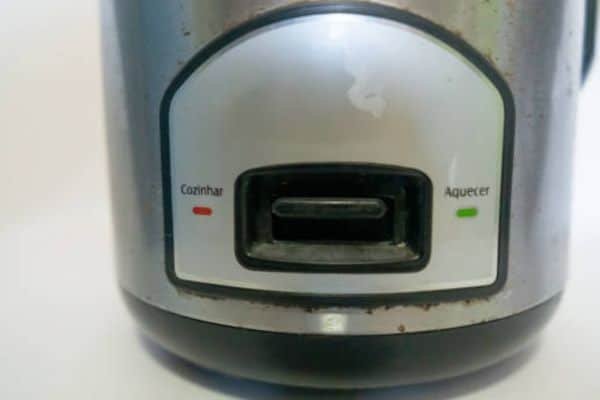
The thermostat controls temperature changes between cook and warm modes. Faulty thermostats create constant switching problems.
Common thermostat symptoms include:
- Cooker overheats
- Rice burns often
- Warm mode activates too early
- Cooker shuts off randomly
Thermostat replacement costs less than buying a new rice cooker in many cases.
Prevent Future Warm Mode Problems
Simple maintenance keeps the rice cooker working properly for years.
Helpful habits include:
- Cleaning after every use
- Drying the inner pot fully
- Avoiding metal utensils
- Preventing water spills near controls
- Using correct rice-to-water ratios
- Keeping the heating plate clean
Good care reduces internal wear and sensor problems.
When To Replace The Rice Cooker
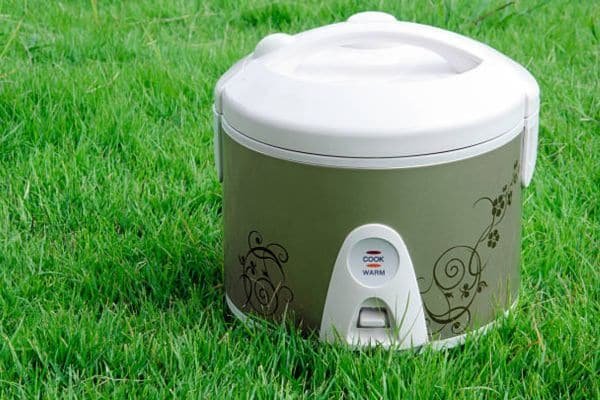
Some rice cookers become too damaged for practical repair. Extremely old models may need expensive replacement parts. Frequent overheating, burning smells, or electrical sparks usually signal serious failure.
Newer rice cookers also use energy more efficiently and offer better cooking technology. Replacement sometimes saves time and repair costs long term.
People using rice cookers daily may benefit from upgrading after several years of heavy use.
Final Thoughts
Learning how to fix rice cooker warm mode problem issues can save money and reduce kitchen frustration. Most problems come from dirt buildup, worn switches, weak sensors, or heating issues. Simple cleaning and careful inspection solve many cases without professional repair.
Regular maintenance keeps the appliance running smoothly and helps rice cook evenly every time. A well-maintained rice cooker lasts longer, performs better, and avoids sudden cooking problems during busy meals.