
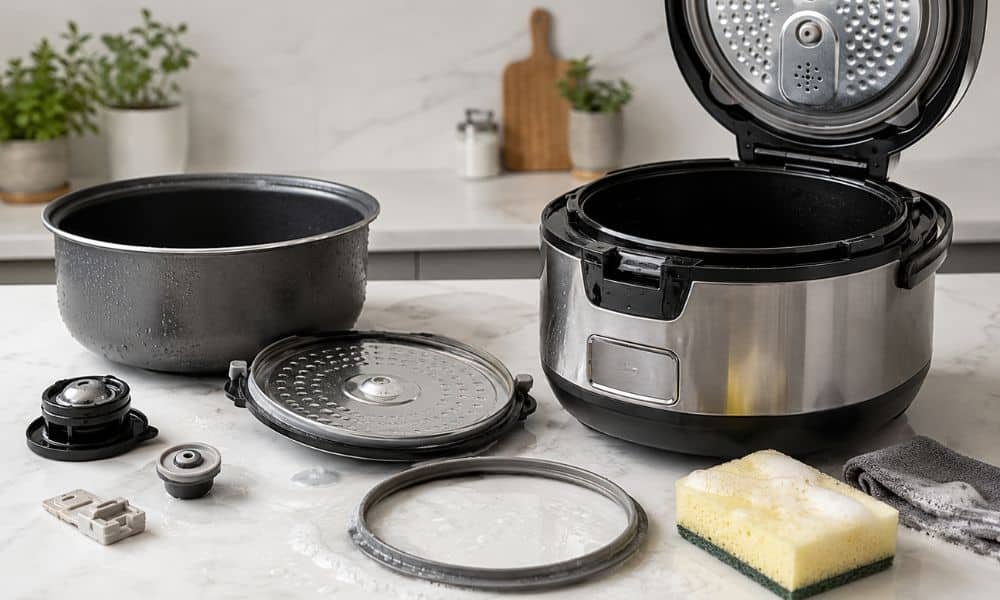
Knowing How To Clean Cuckoo Rice Cooker parts properly can help your cooker last much longer and keep every bowl of rice tasting fresh. Rice starch, steam, and small food particles slowly build up inside the cooker after daily use. Over time, that buildup may cause bad smells, sticky residue, or uneven cooking results.
A simple cleaning routine keeps the cooker hygienic, safe, and working smoothly. With the right methods and gentle cleaning tools, maintaining a Cuckoo rice cooker becomes quick and easy without damaging the non-stick surface or internal heating system.
Why Regular Cleaning Matters
Rice cookers collect steam every day. That steam leaves behind starch and mineral residue. Over time, the cooker may start smelling sour or cooking unevenly. Some people even notice yellow stains inside the lid.
Cleaning also helps protect the heating system. A dirty heating plate can stop the cooker from reaching the correct temperature. That means hard rice, mushy rice, or burnt bottoms become more common.
Regular care helps:
- Prevent bad smells
- Keep rice tasting fresh
- Extend cooker lifespan
- Stop mold growth
- Improve cooking performance
Things You Need Before Cleaning
Before starting, gather a few simple items:
- Soft sponge
- Microfiber cloth
- Mild dish soap
- Warm water
- Small toothbrush
- Dry towel
- White vinegar for stains
Avoid steel wool or rough scrubbers. They can scratch the non-stick coating inside the pot.
Unplug The Rice Cooker First
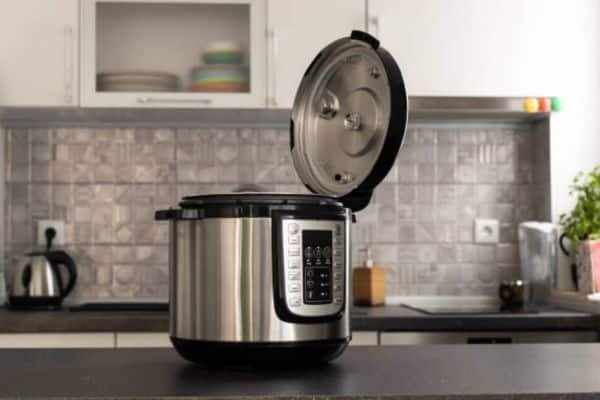
Safety always comes first. Unplug the cooker and let it cool completely before touching any parts. A hot cooker can cause burns, and water near electrical parts can damage the unit.
Never wash the main cooker body under running water. Only removable parts should touch water.
Remove The Inner Pot
Take out the inner cooking pot carefully. Most Cuckoo rice cookers use a non-stick inner bowl, so gentle handling is important.
Wash the pot using warm water and mild soap. Use a soft sponge to remove stuck rice. For stubborn stains, soak the pot for 15 minutes before cleaning.
Do not use metal spoons inside the bowl. Small scratches can slowly ruin the non-stick layer.
Clean The Inner Lid Properly
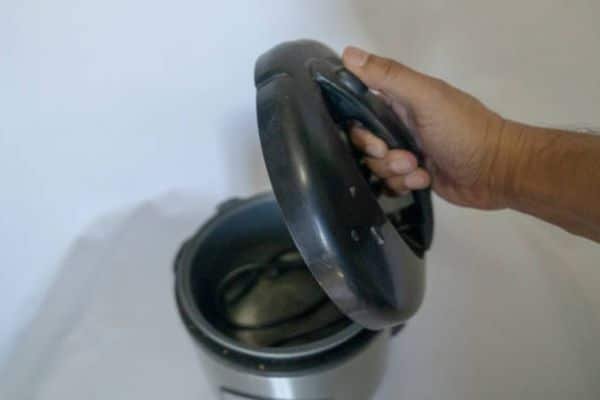
Many Cuckoo models have a removable inner lid. This area often traps steam, rice starch, and odors.
Remove the lid according to the user manual. Wash it gently using warm soapy water. Pay attention to corners and rubber seals because food residue hides there easily.
Dry the lid fully before reinstalling it. Moisture left behind can create mold smells later.
Wash The Steam Vent
The steam vent is one of the dirtiest parts of a rice cooker. Steam pushes starch and tiny rice particles into the vent during cooking.
Remove the steam cap carefully. Rinse it under warm water and scrub lightly with a toothbrush. Make sure small holes stay open because blocked vents affect pressure and cooking quality.
A clogged steam vent can also cause water overflow during cooking.
Wipe The Heating Plate
The heating plate sits at the bottom inside the cooker body. This part should never be soaked in water.
Use a slightly damp cloth to wipe away crumbs or stains. Dry it immediately using a soft towel. Even tiny grains of rice left on the plate can affect heating performance.
Check for:
- Burnt rice
- Water spots
- Oil residue
- Loose grains
Keeping the heating plate clean helps rice cook evenly every time.
Clean The Rubber Gasket
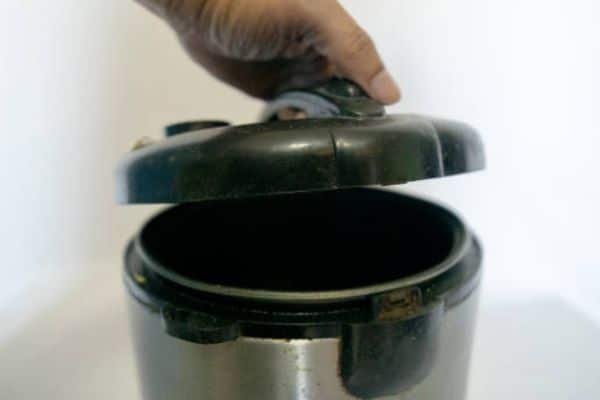
Some Cuckoo rice cookers have a rubber gasket around the lid. This ring traps steam during cooking.
Food smells and moisture often stay trapped here. Wipe the gasket gently with warm water and mild soap. A soft toothbrush helps clean tiny corners.
Do not pull too hard on the gasket because stretching can damage the seal.
Remove Bad Smells Naturally
Old rice smells can stay inside the cooker after repeated use. A simple vinegar steam cleaning method helps freshen the interior naturally.
Mix:
- 1 cup water
- 2 tablespoons white vinegar
Place the mixture inside the cooker and run a short warm cycle. After cooling, wipe everything dry.
Lemon slices also help remove odors naturally.
How To Clean Burnt Rice Stains
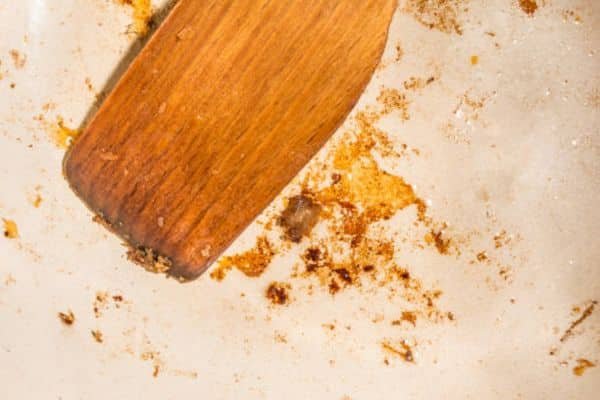
Burnt rice is common after water measurement mistakes or overheating. Never scrape burnt areas using knives or metal tools.
Instead:
- Fill the pot with warm water
- Add dish soap
- Let it soak for 30 minutes
- Wipe gently using a sponge
For stubborn marks, baking soda paste works well. Use only a small amount and rub gently.
Dry Every Part Completely
Many people rush after washing and reassemble the cooker while parts are still wet. This can create mold and bad smells quickly.
Leave all parts air dry fully before putting them back together. Use a microfiber towel to remove extra moisture.
Pay extra attention to:
- Steam vent
- Rubber seal
- Lid corners
- Heating plate area
Common Cleaning Mistakes To Avoid
Some habits can damage a rice cooker faster than daily use.
Avoid these mistakes:
- Using bleach inside the cooker
- Soaking the main body in water
- Scratching the pot with metal
- Closing the lid while wet
- Ignoring the steam vent
Gentle cleaning keeps the cooker looking new longer.
How Often Should You Clean A Cuckoo Rice Cooker
Light cleaning should happen after every use. This prevents starch buildup and odors.
A deeper cleaning routine works best once every week for daily users.
Recommended schedule:
- Inner pot: after every use
- Steam vent: every 3–4 uses
- Full deep clean: weekly
- Heating plate wipe: every use
Regular maintenance prevents expensive repairs later.
Signs Your Rice Cooker Needs Deep Cleaning
Sometimes the cooker clearly shows it needs extra care.
Watch for:
- Sour smells
- Sticky lid residue
- Yellow stains
- Overflowing water
- Uneven rice texture
- Steam vent blockage
Ignoring these signs can reduce cooking quality over time.
Can You Put Cuckoo Rice Cooker Parts In Dishwasher
Some removable parts may be dishwasher safe depending on the model. But hand washing is usually safer for non-stick coatings and rubber seals.
Always check the manual before using a dishwasher. High heat can weaken some plastic or silicone parts over time.
Hand washing also helps parts last longer.
Tips To Keep Your Rice Cooker Cleaner Longer
Small habits make a huge difference.
Helpful tips:
- Wipe moisture after cooking
- Avoid leaving rice overnight
- Store with lid slightly open
- Use proper water ratios
- Clean spills immediately
These habits reduce odor and residue buildup.
Best Cleaning Products For Rice Cookers
Strong chemicals are unnecessary for daily maintenance. Mild cleaning products work best.
Safe options include:
- Gentle dish soap
- White vinegar
- Baking soda
- Microfiber cloths
- Soft sponges
Avoid oven cleaners or abrasive powders completely.
You may also like reading about rice cooker maintenance and common appliance care tips from Cuckoo Electronics.
How Long Does A Cuckoo Rice Cooker Last
A well-maintained Cuckoo rice cooker can last many years. Some owners use the same cooker for over a decade with proper care.
Cleaning plays a major role in lifespan. Heat sensors and pressure systems work better in a clean environment.
Regular maintenance helps avoid:
- Heating problems
- Pressure leaks
- Burnt rice
- Electrical issues
Final Thoughts
Learning how to clean Cuckoo rice cooker parts properly is simple once it becomes part of a routine. Gentle cleaning after every use keeps the cooker fresh, safe, and reliable. Small tasks like wiping the heating plate or cleaning the steam vent can make a huge difference over time.
A clean rice cooker also makes better tasting rice. There are fewer odors, fewer stains, and fewer cooking problems. With regular care, a good Cuckoo rice cooker can stay in excellent condition for many years.