
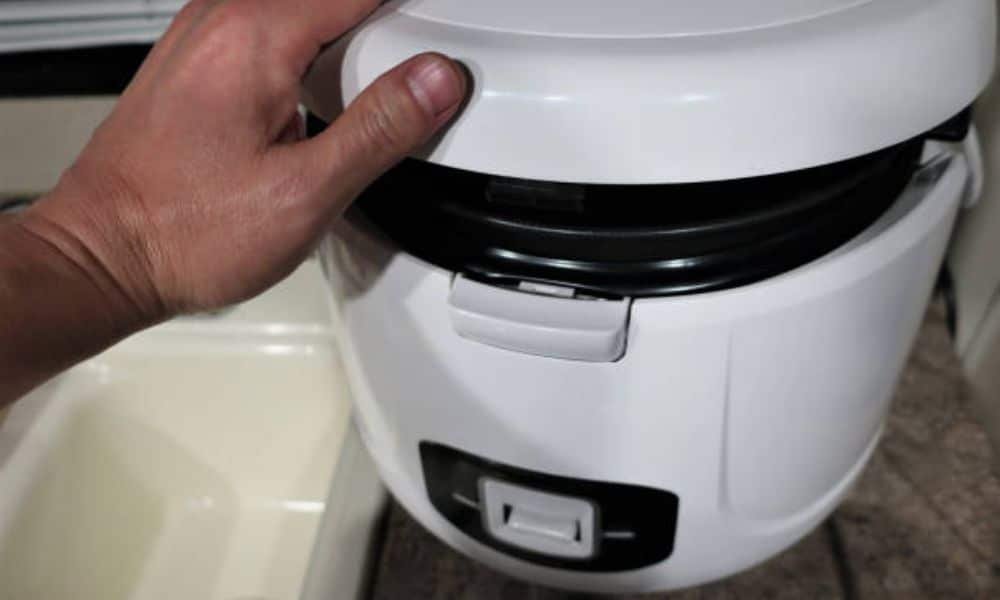
I still remember the first time I searched how to fix undercooked rice in rice cooker. I lifted the lid, took one bite, and felt that hard crunch. It was dinner time, and I had no backup plan. That moment felt like a small kitchen disaster.
Rice looks simple, yet it can turn tricky fast. A tiny miss in water or timing leaves grains dry and firm. Many people face this, even after years of cooking. It happens more often than most admit.
I’ve dealt with hard rice more times than I can count. Over time, I tested simple ways to bring it back to life. Some failed, some worked like magic. The methods I share here come from real trials, not guesswork.
In this guide, I’ll show easy ways to fix the problem without stress. You’ll learn quick fixes, small tricks, and habits that help every time. By the end, soft and fluffy rice will feel easy again. Stick with me, and let’s save that pot together.
Why Is My Rice Undercooked in a Rice Cooker?
Before fixing the problem, it helps to understand why your rice turned out hard in the first place. Most of the time, it’s a simple mistake.
The most common reason is not using enough water. Rice needs the right amount of moisture to cook fully. If the water is too little, the grains stay firm and undercooked.
Another reason is opening the lid too early. I used to do this a lot because I was impatient. But when you lift the lid, steam escapes, and that steam is what finishes cooking the rice.
Sometimes, the rice cooker itself switches off too early. This can happen if the heating cycle gets interrupted or if the rice wasn’t evenly spread inside.
Also, different types of rice need different water ratios. If you use the same amount of water for white rice and brown rice, you’ll often end up with hard rice.
Understanding these small mistakes makes it much easier to fix undercooked rice and avoid the problem next time.
How to Fix Undercooked Rice in a Rice Cooker (Step-by-Step)
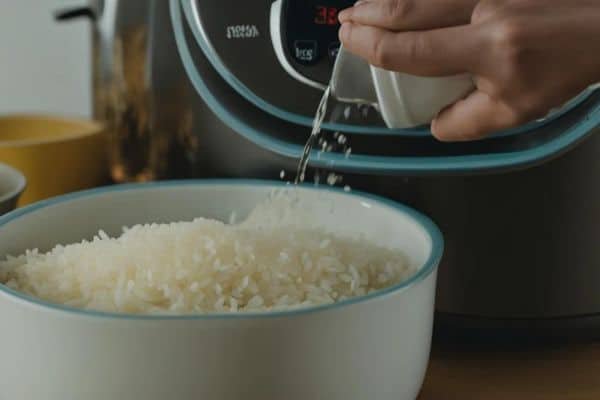
Let’s get straight to the solution. These are the exact methods I use whenever my rice turns out undercooked.
Method 1 – Add Water and Reheat (Best Quick Fix)
This is my go-to method, and it works almost every time.
Start by adding a small amount of water. Usually, 2 to 4 tablespoons is enough for a standard batch. Don’t pour too much, or you might end up with mushy rice.
Next, gently stir the rice so the moisture spreads evenly. Close the lid tightly.
Now, turn the rice cooker back on. If your cooker has already switched to “warm,” just restart the cooking cycle. Let it cook for another 5 to 10 minutes.
Once it’s done, leave the lid closed for a few minutes. This allows the steam to finish the cooking process.
When you open it again, your rice should be soft, fluffy, and perfectly cooked.
Method 2 – Steam the Rice (For Slightly Hard Rice)
If your rice is only a little undercooked, you don’t even need to restart the cooker.
Just sprinkle a small amount of water over the rice. Then close the lid and leave it on “warm” mode.
Let it sit for about 10 minutes. The trapped heat and steam will slowly soften the grains.
I like this method when the rice is almost done but just needs a little extra moisture.
Method 3 – Microwave Fix (Fast Emergency Option)

Sometimes you need a quick fix, especially if the rice cooker isn’t cooperating.
Transfer the rice to a microwave-safe bowl. Add a tablespoon or two of water and cover the bowl with a lid or damp paper towel.
Microwave it for 1 to 2 minutes. Then check the texture. If it’s still hard, repeat for another minute.
This method is surprisingly effective and can save your meal in minutes.
How to Fix Hard Rice Without Ruining Texture
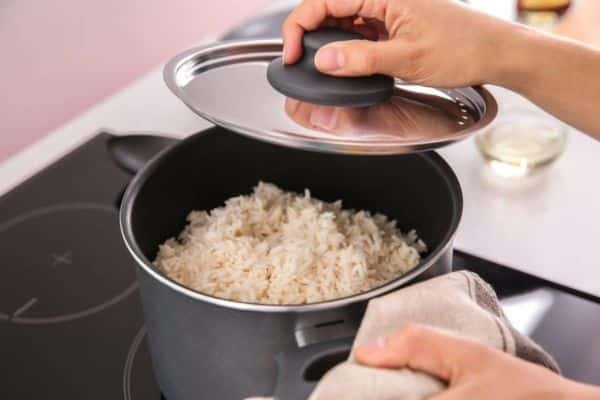
One mistake people make is adding too much water when trying to fix hard rice. This can turn your rice into a sticky, mushy mess.
The key is to add water slowly. Always start with a small amount and increase only if needed.
Also, avoid stirring too much. Gentle mixing is fine, but over-stirring can break the grains and ruin the texture.
Another tip I always follow is letting the rice rest after reheating. Even 5 minutes of resting can make a big difference in how soft and fluffy the rice becomes.
Fixing hard rice is not just about adding water. It’s about controlling moisture and heat carefully.
What If Rice Is Mushy Instead? (Quick Fix Guide)
Sometimes the problem goes the other way, and your rice turns out mushy instead of hard.
If that happens, don’t worry. I’ve dealt with this too.
The best way to fix mushy rice is to remove excess moisture. Spread the rice on a plate or tray and let it cool for a few minutes. This helps the steam escape.
You can also reheat it without a lid. This dries out the rice slightly and improves the texture.
Another trick I use is turning mushy rice into fried rice. Once you add vegetables, oil, and seasoning, no one will even notice the original texture.
Pro Tips to Prevent Undercooked Rice Next Time
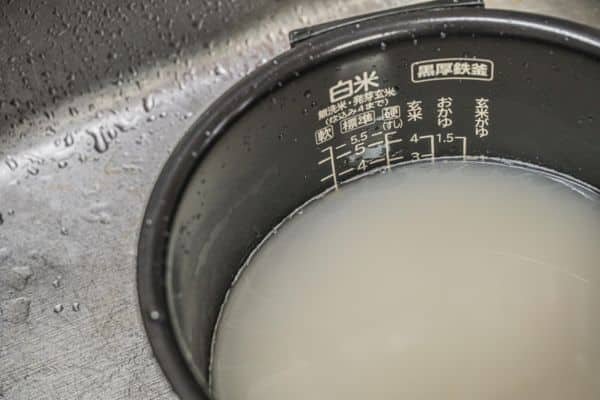
Fixing rice is helpful, but preventing the problem is even better.
The first thing I always do is measure water correctly. For white rice, a common ratio is 1 cup of rice to 1.5–2 cups of water. Brown rice usually needs more.
Rinsing rice before cooking also helps. It removes excess starch and allows the grains to cook more evenly.
Another important step is letting the rice rest after cooking. Once the rice cooker switches off, keep the lid closed for at least 5 to 10 minutes. This final steaming step makes a big difference.
And most importantly, avoid opening the lid during cooking. I know it’s tempting, but it disrupts the entire process.
Common Mistakes That Cause Hard Rice
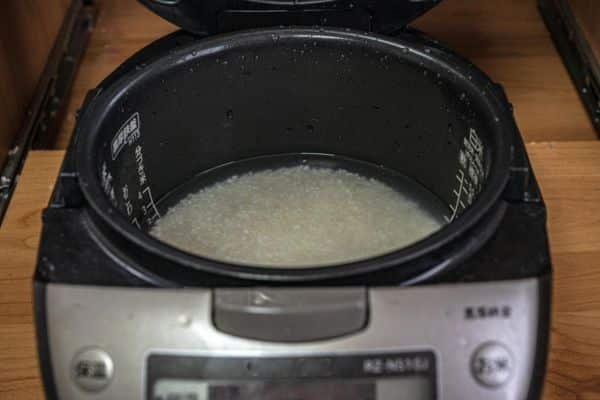
From my experience, these are the mistakes that lead to undercooked rice the most:
Not adding enough water is the biggest one. Even being slightly off can affect the result.
Using the wrong setting on the rice cooker is another issue. Some cookers have different modes for white and brown rice.
Skipping soaking for certain rice types, like basmati, can also cause uneven cooking.
Overcrowding the rice cooker can prevent proper heat distribution, leaving some grains undercooked.
Avoiding these mistakes will save you from dealing with hard rice again.
Best Rice Cooker Settings for Perfect Rice
Using the correct settings makes a huge difference.
Most modern rice cookers have separate options for white rice, brown rice, and even quick cooking.
Always choose the right setting for your rice type. Brown rice takes longer and needs more water, while white rice cooks faster.
Also, use the measuring cup that comes with your rice cooker. It’s designed specifically for the appliance and helps maintain the correct ratio.
Following these small details can turn average rice into perfect rice every time.
FAQs
Can you fix undercooked rice after cooking?
Yes, you can fix undercooked rice easily by adding a small amount of water and reheating or steaming it. This softens the grains and completes the cooking process.
Why is my rice still hard after cooking?
Rice is usually hard because of not enough water, opening the lid too early, or using the wrong cooking settings.
How much water should I add to undercooked rice?
Start with 2 to 4 tablespoons of water. Add more only if needed to avoid making the rice mushy.
Can I re-cook rice in the rice cooker?
Yes, you can safely re-cook rice by adding water and restarting the cooking cycle for a few minutes.
How do I fix mushy rice in a rice cooker?
To fix mushy rice, remove excess moisture by letting it cool, reheating uncovered, or using it for fried rice.
Final Thoughts
Learning how to fix undercooked rice in a rice cooker has saved me from wasting food many times. It’s a simple skill, but it makes a big difference in everyday cooking.
The best method, in my experience, is adding a small amount of water and reheating the rice. It’s quick, easy, and works almost every time.
Cooking rice doesn’t have to be stressful. Once you understand what causes hard rice and how to fix it, you’ll feel much more confident in the kitchen.
Next time your rice turns out undercooked, don’t panic. Just follow these steps, and you’ll have soft, fluffy rice ready in minutes.