
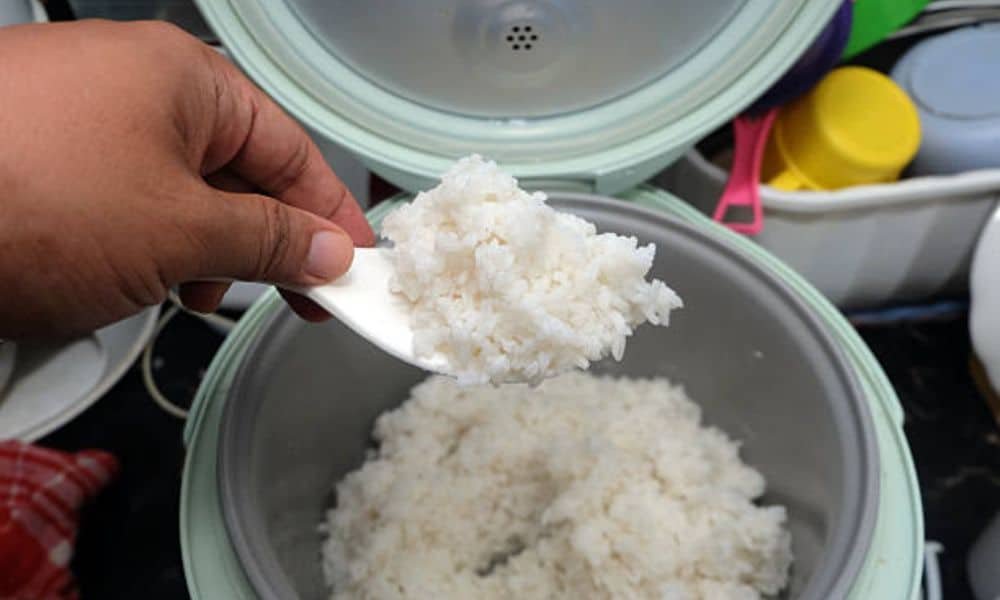
I still remember opening my rice cooker one evening, expecting light, fluffy rice, only to find a sticky, soggy mess instead. It felt frustrating because I had followed the steps, or at least I thought I did. If you’ve ever faced mushy rice, you know how quickly it can ruin a meal.
The truth is, this happens more often than most people admit. Even with a good rice cooker, small mistakes can lead to watered rice. I’ve made those mistakes myself more times than I’d like to admit. Over time, I learned exactly how to fix mushy rice in rice cooker without throwing it away.
In this guide, I’ll show you simple, practical fixes you can use right away, along with tips to prevent it from happening again.
Why Does My Rice Come Out Mushy?
Too Much Water (Most Common Cause)
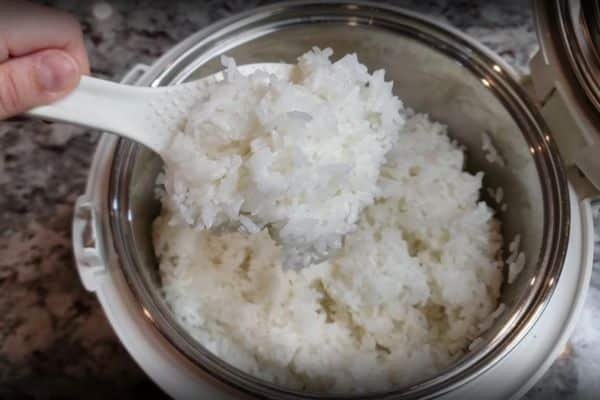
This is the number one reason behind mushy rice. When you add too much water, the rice absorbs more liquid than it should, which leads to a soft, sticky texture. I used to guess the water level instead of measuring it, and that small habit caused most of my problems.
Rice needs balance. Even a slight extra amount of water can turn perfectly good rice into a soggy mess.
Overcooking in the Rice Cooker
Sometimes the issue isn’t the water but the cooking time. Leaving rice sitting in the cooker too long, especially on warm mode, can trap steam inside. That extra moisture keeps softening the rice.
I’ve noticed this happens when I forget about the rice after it’s done. It continues absorbing steam and becomes mushy.
Wrong Type of Rice
Not all rice cooks the same way. Jasmine rice tends to be softer, while basmati stays more separate and fluffy. Using the wrong water ratio for each type can easily cause texture issues.
Not Rinsing Rice Properly
Rinsing removes excess starch. When you skip this step, the starch stays on the rice and creates a sticky, clumpy texture. Once I started rinsing my rice properly, the difference was immediate.
How to Fix Mushy Rice in Rice Cooker (Proven Methods)
Method 1 – Let the Steam Escape
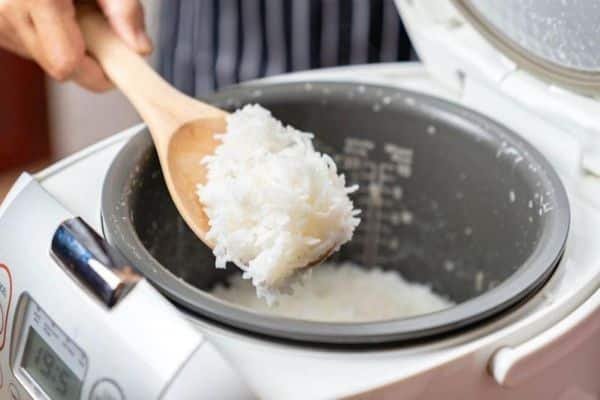
This is the easiest and quickest fix. Open the rice cooker lid and let the trapped steam escape. That steam is what keeps the rice wet and sticky.
Use a fork to gently fluff the rice and spread it slightly. This allows moisture to escape faster. I usually leave it uncovered for about 5 to 10 minutes, and the texture improves noticeably.
Method 2 – Dry It on Low Heat
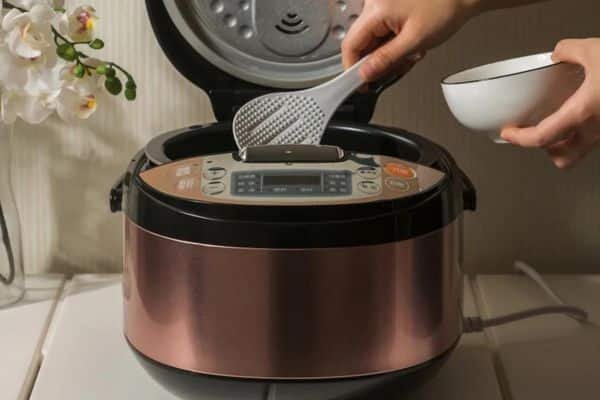
Turn the rice cooker to warm mode and leave the lid slightly open. This helps remove excess moisture without overcooking the rice.
I’ve used this method many times when the rice was only slightly mushy. After about 10 to 15 minutes, it usually becomes much drier and more balanced.
Method 3 – Use a Pan to Remove Moisture
If the rice is very wet, transfer it to a wide pan. Heat it on low while gently stirring. This helps evaporate the extra water.
Be careful not to use high heat because it can burn the rice. I prefer to keep the heat low and stir occasionally until the texture feels right.
Method 4 – Turn Mushy Rice into Something Better
Sometimes the rice is too far gone to fix completely. When that happens, I don’t try to force it. Instead, I turn it into something else.
Mushy rice works well for dishes like fried rice, rice pudding, or casseroles. These recipes actually benefit from softer rice. This way, nothing goes to waste.
How to Fix Mushy Rice (Without a Rice Cooker)
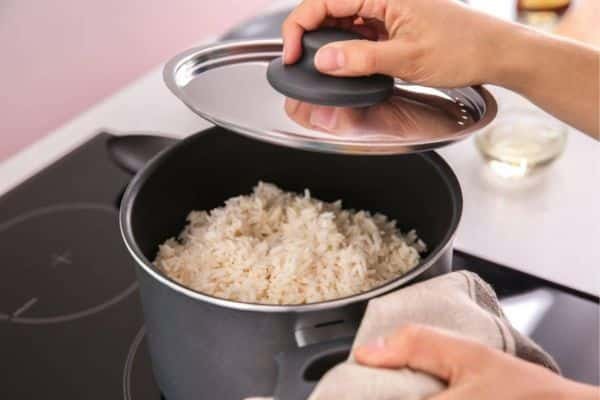
If you don’t want to use the rice cooker again, you still have options. One simple method is spreading the rice on a baking tray and placing it in the oven at low heat. This helps dry it evenly.
Another trick I’ve used is placing a paper towel over the rice while reheating it. The towel absorbs excess moisture and improves the texture. It’s simple but surprisingly effective.
What If My Rice Is Hard Instead?
Quick Fix for Hard Rice
Hard rice usually means it didn’t cook with enough water. The fix is simple. Add a small amount of water, cover it, and let it steam again for a few minutes.
Why Rice Turns Hard
This happens when there isn’t enough water or when cooking time is too short. I’ve made this mistake when rushing. Rice needs enough time and moisture to soften properly.
Perfect Rice Cooker Ratio (Never Mess It Up Again)
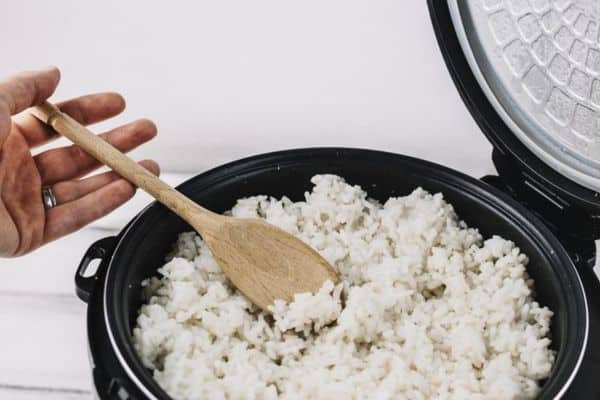
Water-to-Rice Ratios
Getting the ratio right makes all the difference.
- White rice: 1 cup rice to 1.5 cups water
- Brown rice: 1 cup rice to 2 cups water
- Basmati rice: 1 cup rice to 1.25 cups water
My Personal Foolproof Method
I stopped guessing and started measuring everything. I also rinse rice two to three times until the water runs clear. Since I started doing this, mushy rice has become rare in my kitchen.
Pro Tips to Prevent Mushy Rice Every Time
Here are a few habits that changed my results completely:
- Always rinse rice before cooking
- Measure water accurately
- Avoid opening the lid during cooking
- Let the rice rest for a few minutes after cooking
- Use the correct setting for your rice type
These small steps make a big difference.
Common Mistakes People Make (I Did These Too)
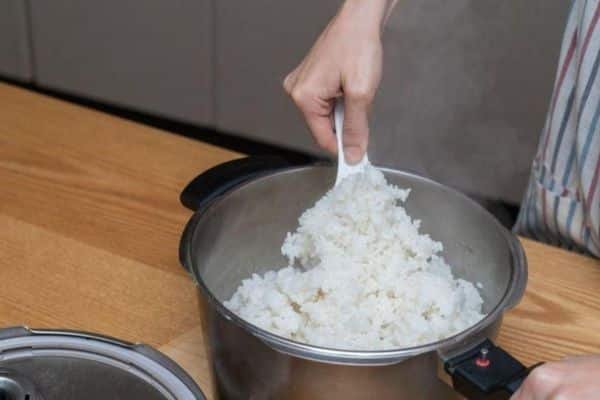
One mistake I used to make was guessing water instead of measuring it. It seemed faster, but it caused inconsistent results. Another mistake was skipping the rinse step, which made the rice sticky.
Overfilling the rice cooker is another common issue. It traps steam and prevents even cooking. Once I fixed these habits, my rice turned out much better every time.
FAQs
Can you fix mushy rice after cooking?
Yes, you can fix mushy rice by removing excess moisture. Letting steam escape or reheating on low heat can improve the texture.
Why is my rice watery in the rice cooker?
It usually happens because of too much water or trapped steam during cooking.
How do you dry wet rice quickly?
Spread the rice out and use low heat or leave it uncovered to let moisture escape.
Is mushy rice safe to eat?
Yes, mushy rice is safe to eat as long as it has been cooked properly and stored correctly.
How do I stop rice from being mushy next time?
Use the correct water ratio, rinse the rice, and avoid overcooking
Final Thoughts
Mushy rice might feel like a small failure, but it’s actually easy to fix once you understand the cause. I’ve been through this many times, and each mistake helped me improve my cooking.
Now, whenever my rice turns out too soft, I know exactly what to do. Whether it’s letting steam escape or drying it on low heat, these simple methods work.
The best part is that once you get the basics right, you’ll rarely face this issue again. Try these tips the next time your rice doesn’t turn out right, and you’ll see how easy it is to fix.