
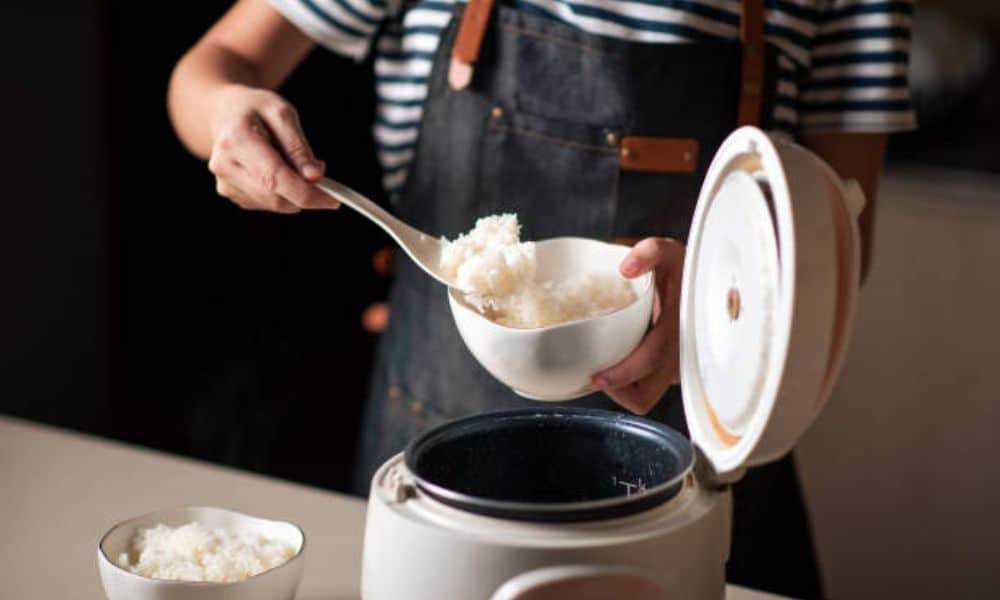
Learning how to use COMFEE rice cooker becomes much easier once you understand a few simple steps. The first time I used mine, the rice turned soft and sticky because I added too much water. After a few cooking sessions, I finally learned the right rice-to-water ratio and the results became much better.
A COMFEE rice cooker helps make cooking feel simple and stress-free. Even a small stainless steel mini rice cooker can prepare soft, fluffy rice with very little effort. In this guide, I will share easy steps, helpful tips, and beginner mistakes to avoid so you can cook perfect rice more confidently at home.
Why COMFEE Rice Cookers Became So Popular
COMFEE rice cookers became popular because they remove stress from cooking rice. You do not need to stand near the stove or watch boiling water. The cooker handles heat and timing automatically.
Many people in the USA also like their compact design. A small apartment kitchen can easily fit a stainless steel mini rice cooker without losing valuable counter space.
Another reason people enjoy these cookers is versatility. Some models steam vegetables, cook oatmeal, prepare quinoa, and even make soup with very little effort.
I originally bought a 2 qt rice cooker because my apartment kitchen felt tiny. I expected to use it once or twice each week. Instead, it became part of my daily routine.
What Comes Inside A COMFEE Rice Cooker Box
Most COMFEE models include:
- Inner cooking pot
- Rice measuring cup
- Rice paddle
- Steam tray
- Power cord
- User manual
The first thing I recommend is washing everything carefully before cooking. My cooker had a faint factory smell during the first rinse. After one cleaning cycle and a quick batch of rice, the smell disappeared.
Place the rice cooker on a flat surface with enough space around it for steam to escape safely.
How To Use COMFEE Rice Cooker Step By Step
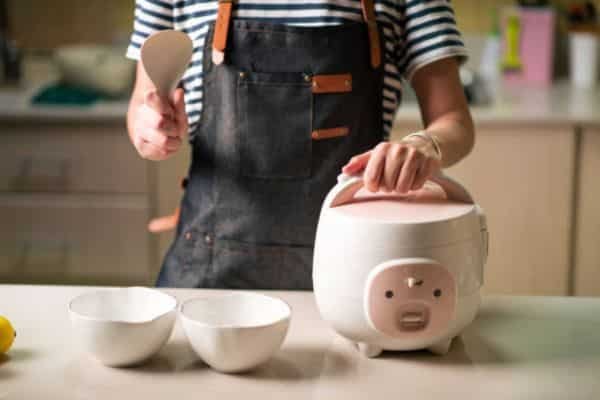
Step 1: Measure The Rice Correctly
This step matters more than people realize. The measuring cup included with the cooker is smaller than a normal kitchen cup.
I learned that lesson quickly. During my first attempt, I used a coffee mug instead of the rice cup. The rice overflowed and turned sticky.
For most white rice recipes:
- 1 rice cooker cup rice = 1 to 1.2 cups water
- Brown rice needs more water
Always stay below the maximum fill line inside the pot.
Step 2: Rinse The Rice
Rinsing removes extra starch from the grains. That simple step helps rice become fluffy instead of gummy.
I usually rinse rice two or three times until the water looks less cloudy. The improvement in texture surprised me the first time.
Place rice inside the pot, add cool water, swirl gently with your hand, then drain carefully.
Step 3: Add The Correct Amount Of Water
Water ratio changes everything. Too much water creates mushy rice. Too little water leaves hard grains in the center.
Here are basic ratios that work well for most people:
White Rice
- 1 cup rice = 1 to 1.2 cups water
Brown Rice
- 1 cup rice = 1.5 cups water
Jasmine Rice
- Slightly less water helps keep the grains fluffy
Humidity and rice quality can change cooking results slightly. After a few cooking sessions, you will discover the exact texture you enjoy most.
Step 4: Start Cooking
After adding rice and water:
- Place the inner pot inside the cooker
- Close the lid tightly
- Plug in the rice cooker
- Press the cook button
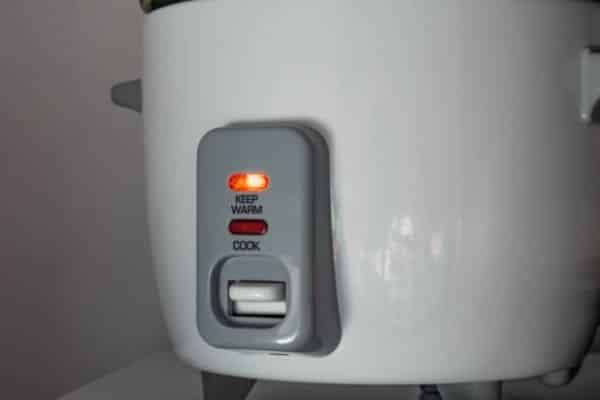
Most COMFEE models automatically switch to “Keep Warm” after cooking finishes.
The clicking sound confused me the first time I heard it. I honestly thought something broke. Later I realized the cooker simply finished cooking.
Step 5: Let The Rice Rest
Many beginners skip this step. Resting the rice for 5 to 10 minutes makes a huge difference.
The trapped steam continues softening the grains gently. That extra time creates fluffier rice with better texture.
I used to scoop rice immediately after cooking. The bottom became wet and sticky every time.
Now I wait patiently before fluffing the rice using the included paddle.
Understanding COMFEE Rice Cooker Settings
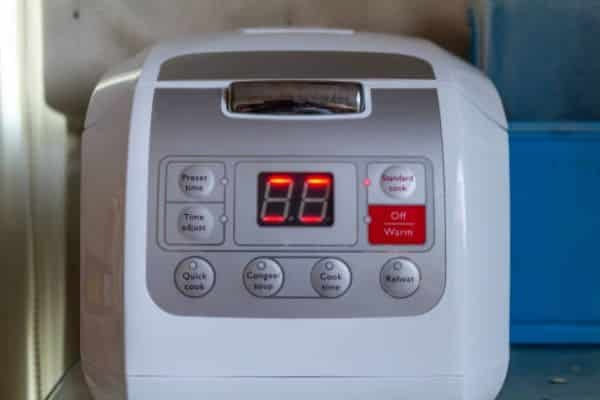
Different COMFEE models have different buttons, though most stay beginner-friendly.
White Rice Mode
This setting works best for jasmine rice, basmati rice, and long-grain white rice.
I use this mode most often because it delivers reliable results with very little effort.
Brown Rice Mode
Brown rice needs extra cooking time because the grains are tougher.
This setting adjusts heat and timing automatically to cook the grains evenly.
Steam Function
The steam tray slowly became one of my favorite features.
I often steam broccoli, carrots, dumplings, or frozen vegetables while rice cooks below. Preparing dinner feels calmer and more organized that way.
Quick Cook Mode
Quick Cook helps shorten the cooking process slightly.
The texture may feel less fluffy compared to normal mode, though it still works well during busy afternoons.
Keep Warm Function
This setting keeps rice warm after cooking finishes.
I usually avoid leaving rice inside all day because the texture slowly changes over time.
Choosing The Right COMFEE Rice Cooker Size
Picking the right size matters more than most people expect.
2 QT Rice Cooker
A 2 qt rice cooker works best for:
- Singles
- Couples
- Students
- Small kitchens
- Apartments
Mine easily handles two generous servings of rice.
Rice Cooker 4 Cups Stainless Steel Models
Larger families often prefer a rice cooker 4 cups stainless steel model.
These cookers work better for:
- Meal prep
- Family dinners
- Larger portions
- Weekly batch cooking
Many people also prefer stainless steel because it feels more durable than traditional non-stick coatings.
Stainless Steel Mini Rice Cooker Benefits
A stainless steel mini rice cooker usually lasts longer with proper care.
I noticed scratches appear less often compared to cheaper coated pots. Cleanup also feels easier because the surface handles repeated washing well.
Tips For Perfect Rice Every Time
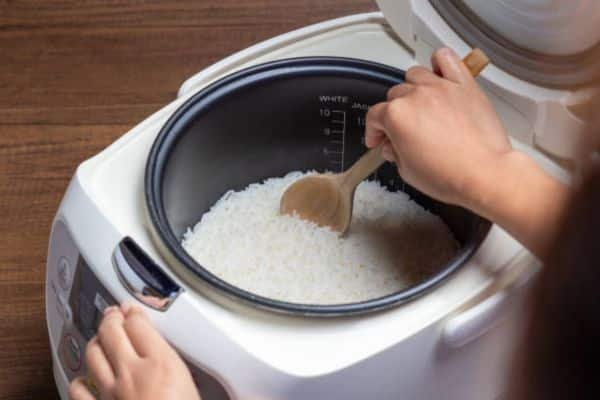
After months of daily cooking, a few habits improved my results dramatically.
Always Rinse Rice
This removes excess starch and improves texture.
Avoid Opening The Lid Too Early
Steam plays an important role during cooking.
Opening the lid too early releases heat and moisture quickly.
Let The Rice Rest
Even five extra minutes improves texture noticeably.
Use Fresh Rice
Fresh rice cooks more evenly and tastes better.
Clean The Cooker Regularly
Rice starch buildup affects cooking quality over time.
A quick wipe after every meal keeps the cooker working smoothly.
Common COMFEE Rice Cooker Mistakes
Using Too Much Water
This creates mushy rice that sticks together heavily.
Overfilling The Pot
Ignoring the maximum line can create messy overflow problems.
Forgetting To Rinse Rice
Unwashed rice often turns gummy.
Scraping With Metal Utensils
Metal spoons damage the inner pot surface quickly.
Always use plastic, silicone, or wooden utensils.
How To Clean A COMFEE Rice Cooker
One reason I still love my COMFEE cooker is the simple cleanup process.
Wash The Inner Pot Carefully
Use warm water and a soft sponge.
Avoid rough scrubbers that damage the surface.
Wipe The Heating Plate
A damp cloth removes leftover starch and moisture.
I ignored this area once for nearly two weeks. Rice started sticking to the bottom more often afterward.
Clean The Lid And Steam Vent
Steam leaves moisture around the lid edges.
Cleaning those areas helps prevent strange smells later.
Deep Clean Weekly
A deeper weekly cleaning keeps the cooker fresh and working properly.
Foods You Can Cook Besides Rice
Many people think rice cookers only make rice. That is completely wrong.
Oatmeal
Morning oatmeal becomes incredibly easy.
I often add oats, milk, cinnamon, and fruit before starting work.
Steamed Vegetables
The steam tray handles vegetables surprisingly well.
Quinoa
Quinoa cooks evenly inside the rice cooker without much attention.
Soup
Some COMFEE models can prepare simple soups comfortably.
Dumplings
Frozen dumplings steam beautifully while rice cooks below.
COMFEE Rice Cooker Reviews And Real Experience
After reading many COMFEE rice cooker reviews online, I noticed similar opinions repeatedly.
Most users praise:
- Easy controls
- Compact size
- Affordable price
- Reliable cooking results
- Quick cleanup
The biggest complaints usually involve learning proper water ratios during the first few uses.
Personally, my experience has been positive overall. The cooker made meal preparation feel simpler and reduced stress during long work weeks.
Is A COMFEE Rice Cooker Worth Buying?
For most households, yes.
A COMFEE rice cooker saves time, simplifies cooking, and creates reliable results with very little effort.
A stainless steel mini rice cooker works perfectly for students, singles, and small kitchens. Larger rice cooker 4 cups stainless steel models suit families and meal prep much better.
I honestly did not expect such a small appliance to become essential in my kitchen. Now I use it several times every week without even thinking about it.
Final Thoughts
Learning how to use COMFEE rice cooker feels difficult only during the first few attempts. Once you understand water ratios and settings, the process becomes incredibly simple.
Small habits like rinsing rice, resting the grains after cooking, and cleaning the cooker regularly make a huge difference. Even a small 2 qt rice cooker can create fluffy rice with almost no effort.
My stove now stays unused many evenings because the rice cooker handles dinner so smoothly. That simple convenience makes the appliance worth keeping on the kitchen counter every day.