
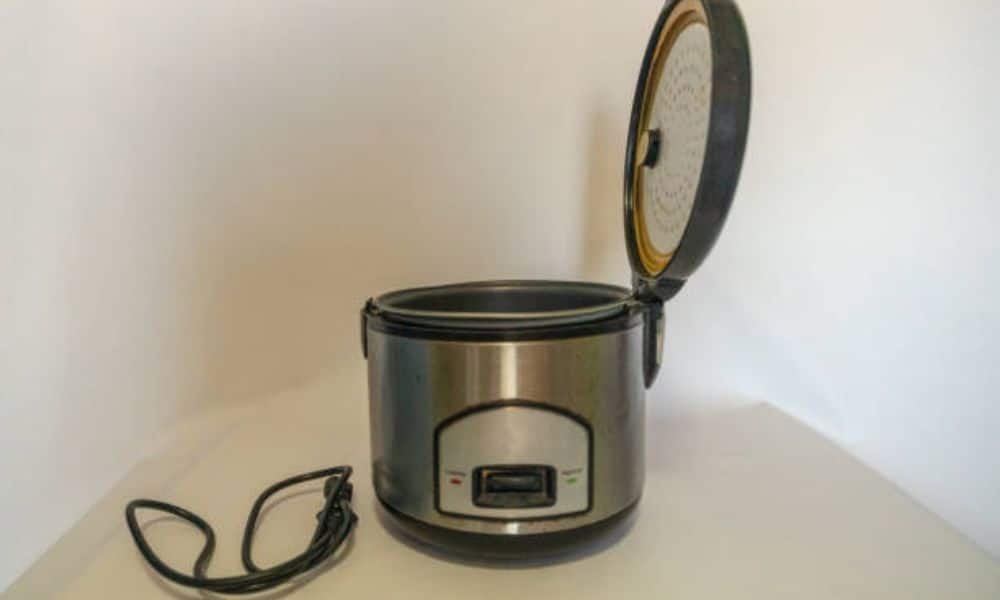
A rice cooker keeps tripping breaker problems can feel scary at first. One minute the rice starts cooking, and the next second the kitchen power shuts off. This issue usually points to an electrical fault, overheating part, damaged cord, or internal moisture problem.
Many people in the USA face this problem with older rice cookers, damaged outlets, or overloaded kitchen circuits. The good news is that most cases are fixable at home with a few safe checks.
This guide explains why a rice cooker keeps tripping breaker issues happen, how to test the cooker safely, and what steps help prevent the problem from returning.
Why A Rice Cooker Keeps Tripping Breaker
A circuit breaker protects the home from electrical overload and short circuits. The breaker shuts off power before wires become dangerous.
A rice cooker keeps tripping breaker situations usually happen because the appliance pulls too much electricity or has an internal electrical fault.
Common causes include:
- Damaged power cord
- Wet heating plate
- Faulty thermostat
- Internal short circuit
- Burned heating element
- Loose wiring
- Overloaded kitchen outlet
- Defective wall socket
Sometimes the rice cooker itself is not the real problem. The kitchen circuit may already carry heavy appliances like microwaves, kettles, or air fryers.
Signs Your Rice Cooker Has An Electrical Problem
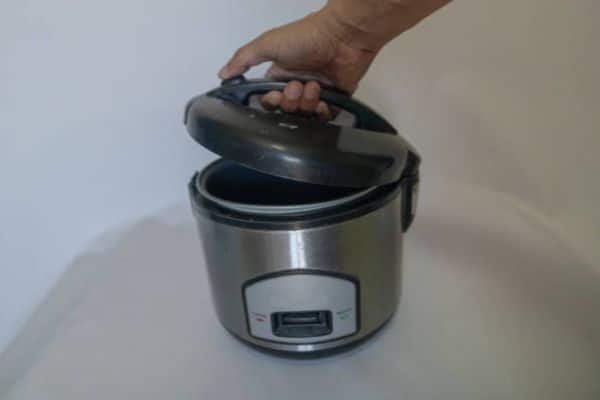
Several warning signs appear before the breaker starts tripping regularly.
Burning Smell
A burnt plastic or hot wire smell often means internal overheating. This can come from damaged insulation or melting wires.
Sudden Power Loss
The cooker may switch off instantly after pressing the cook button. This usually points to a short circuit.
Sparking Near The Plug
Small sparks near the outlet or plug show electrical instability. This should never be ignored.
Warm Or Hot Power Cord
A power cord that becomes unusually hot may have damaged internal wiring.
Breaker Trips Only With The Rice Cooker
This is one of the clearest signs the appliance causes the issue.
First Safety Steps Before Testing
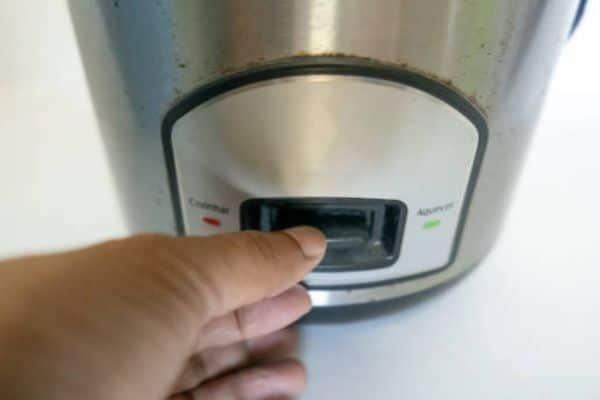
Safety matters most during electrical appliance troubleshooting.
Before touching the rice cooker:
- Unplug the appliance completely
- Let it cool for 20 minutes
- Dry all wet surfaces
- Keep hands dry
- Avoid metal tools near wiring
- Never test damaged cords while plugged in
Electricity and water create serious danger together.
Check The Kitchen Outlet First
Sometimes the outlet causes the problem instead of the rice cooker.
Plug another small appliance into the same outlet. A phone charger or lamp works well for testing.
Problems to watch for:
- Outlet sparks
- Buzzing sounds
- Loose plug fit
- Burn marks
- Hot outlet cover
A damaged outlet can easily cause a rice cooker keeps tripping breaker issue.
Inspect The Rice Cooker Power Cord
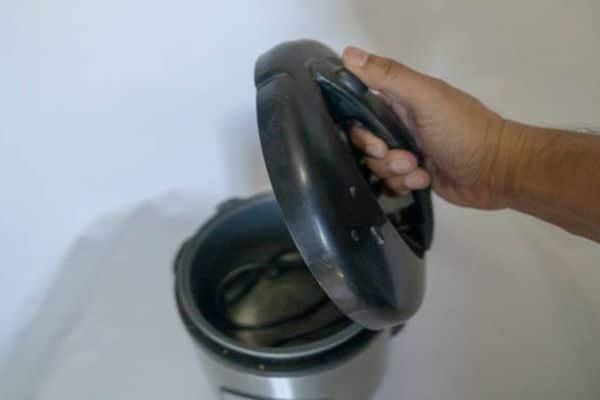
The power cord is one of the most common failure points.
Carefully inspect the full cord length. Look for:
- Cracks
- Melted spots
- Bent connectors
- Exposed wires
- Loose plug ends
Even small cord damage can trigger a breaker immediately.
Many people wrap cords tightly after cooking. Over time this weakens internal copper wiring.
Replacing the cord often solves the problem quickly.
Check For Moisture Under The Inner Pot
Water trapped under the pot creates major electrical issues.
Rice starch and steam often drip onto the heating plate. Moisture can reach internal electrical components and cause short circuits.
Remove the inner pot and inspect:
- Heating plate
- Temperature sensor
- Steam vent area
- Bottom surface
Dry everything fully using a soft cloth.
Many rice cooker breaker problems happen simply because of leftover moisture.
Clean Burned Rice And Debris
Burned food blocks proper heat transfer. This forces the heating system to work harder than normal.
A dirty heating plate may overheat and trip the breaker repeatedly.
Use a soft sponge to clean:
- Burned rice
- Oil buildup
- Hardened starch
- Food crumbs
Never scrape aggressively with metal tools.
Test The Rice Cooker On Another Outlet
Try a different kitchen outlet on another circuit.
This helps identify whether the breaker problem comes from:
- The appliance
- The original outlet
- Circuit overload
Many kitchens place multiple appliances on the same breaker line.
A microwave, toaster, and rice cooker running together may overload the circuit easily.
Overloaded Circuits Cause Frequent Breaker Trips
Older homes often have weaker kitchen electrical systems.
A rice cooker alone usually does not consume extreme power. The issue appears once several appliances operate together.
Common overload combinations include:
- Rice cooker + microwave
- Rice cooker + air fryer
- Rice cooker + electric kettle
- Rice cooker + coffee maker
Reducing appliance use on the same outlet often fixes the issue instantly.
Faulty Heating Element Problems
The heating element creates cooking heat inside the rice cooker.
Over time the element may crack or develop internal shorts. Once damaged, electricity flows incorrectly and trips the breaker.
Signs include:
- Uneven cooking
- Strange burning smells
- Loud clicking sounds
- Cooker shuts off instantly
Heating element repairs usually require professional service.
Thermostat Failure In Rice Cookers
The thermostat controls cooking temperature.
A faulty thermostat may:
- Overheat the cooker
- Fail to switch modes
- Pull excess electricity
- Cause repeated breaker trips
Older rice cookers commonly develop thermostat problems after years of daily use.
Internal Wiring Damage
Frequent movement, heat exposure, and steam slowly weaken internal wiring.
Loose wires create unstable electrical flow. This often leads to sudden breaker shutdowns.
Internal wiring problems usually require appliance repair experience.
Avoid opening the cooker unless fully confident with electrical repairs.
Rice Cooker Keeps Tripping Breaker After Cleaning
Sometimes the problem continues even after cleaning and drying.
At this stage the issue may involve:
- Internal short circuit
- Failed capacitor
- Damaged heating coil
- Defective control board
Modern digital rice cookers contain sensitive electronic boards that fail after power surges or moisture exposure.
How To Prevent Breaker Problems
Simple maintenance greatly reduces electrical problems.
Keep The Heating Plate Dry
Always wipe away moisture after cooking.
Avoid Overfilling
Too much water creates steam overflow inside the cooker.
Clean Weekly
Regular cleaning prevents starch buildup and overheating.
Do Not Share Overloaded Outlets
Large appliances should use separate circuits whenever possible.
Replace Damaged Cords Quickly
Never continue using cracked or overheated cords.
When To Replace The Rice Cooker
Repairing old appliances sometimes costs more than replacement.
Consider replacing the rice cooker if:
- The breaker trips constantly
- Internal parts smell burned
- Repairs cost too much
- The cooker is over 8 years old
- Steam leaks heavily
- The heating plate is warped
Modern rice cookers usually offer safer electrical protection and better energy efficiency.
Best Practices For Safe Rice Cooker Use
Safe habits help avoid electrical damage long term.
Good habits include:
- Unplug after cooking
- Keep the cooker dry
- Avoid extension cords
- Clean steam vents regularly
- Use stable kitchen outlets
- Inspect cords monthly
Small maintenance steps prevent expensive electrical repairs later.
Common Mistakes People Make
Many users accidentally create electrical problems without realizing it.
Using Wet Hands
Water increases shock risk dramatically.
Ignoring Small Sparks
Tiny sparks often become larger electrical failures later.
Running Too Many Appliances Together
Kitchen circuits overload faster than most people expect.
Leaving Rice Overflow Inside
Water and starch inside electrical parts create short circuits quickly.
Final Thoughts
A rice cooker keeps tripping breaker problem usually points to moisture, overload, damaged wiring, or overheating parts. Many cases come from simple issues like wet heating plates or overloaded kitchen outlets.
Careful cleaning, outlet testing, and cord inspection solve many problems safely at home. Serious electrical smells, sparks, or repeated breaker trips should never be ignored.
Safe maintenance and proper kitchen electrical use help rice cookers last longer while preventing dangerous power issues in the future.