
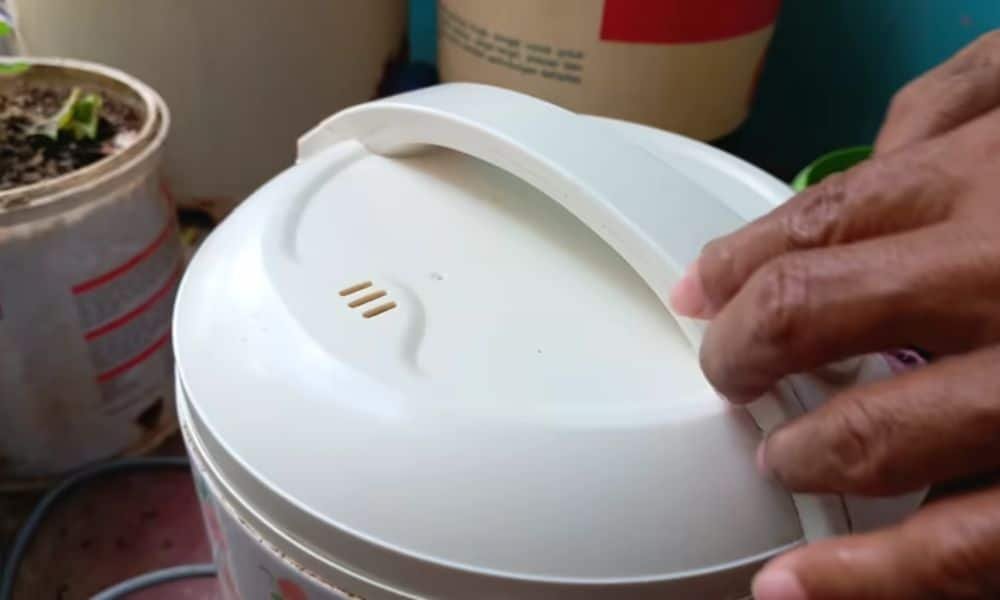
How to repair rice cooker not heating problems becomes a common search when a rice cooker suddenly stops cooking properly. Many people notice the power light turns on, but the cooker stays cold and the rice remains uncooked. This issue often happens because of a faulty thermal fuse, damaged heating element, dirty heating plate, or loose internal wiring. Small electrical problems can stop the appliance from producing enough heat during cooking.
Understanding how to repair rice cooker not heating issues can help restore the appliance without spending money on a replacement. Simple inspection, cleaning, and part testing often solve the problem quickly. Regular maintenance also helps prevent future heating failures and keeps the rice cooker working more efficiently for daily use.
Common Signs Your Rice Cooker Is Not Heating
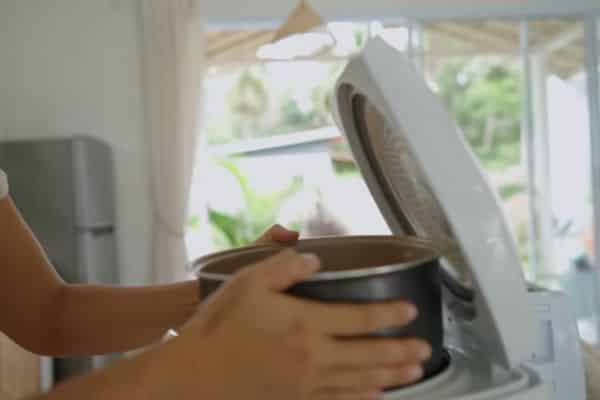
A rice cooker usually shows warning signs before it completely stops working. Recognizing these symptoms early helps prevent bigger damage.
Power Light Turns On But No Heat
This is one of the most common problems. The cooker receives electricity, but the heating element fails to warm up. In many cases, the thermostat or thermal fuse becomes faulty.
Rice Stays Raw After Cooking
The cooking cycle may start normally, but the rice remains hard or partially cooked. Weak heating performance often points to a damaged heating plate or temperature sensor.
Cooker Keeps Switching To Warm Mode
Some rice cookers jump straight into warm mode without cooking. This often happens because the sensor cannot detect proper heat levels.
Burning Smell During Use
A burning smell may indicate overheating wires, damaged internal components, or electrical short circuits. This issue should never be ignored.
Safety Tips Before Repairing A Rice Cooker
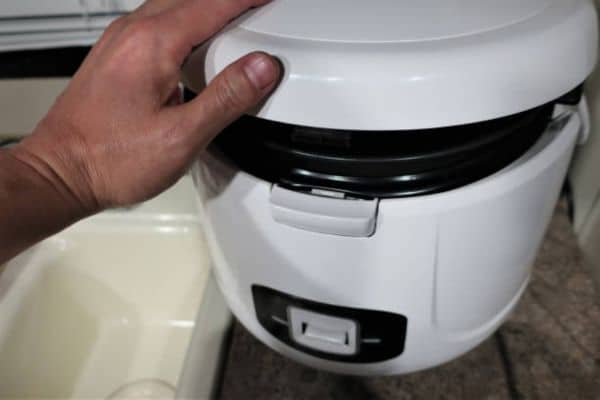
Safety should always come first before opening any electrical appliance.
Unplug The Rice Cooker
Never repair a plugged-in cooker. Electricity inside the unit may still cause shocks even after switching the cooker off.
Allow The Appliance To Cool
Heating parts remain hot for a long time after use. Wait until every surface feels completely cool.
Use Proper Tools
Small screwdrivers, pliers, and a multimeter help diagnose most rice cooker problems safely.
Work In A Dry Area
Water and electricity create dangerous conditions. Keep the repair area completely dry.
Check The Power Cord First
The power cord is often the easiest place to start.
Inspect Visible Damage
Look closely for cuts, burn marks, loose connectors, or bent plugs. Damaged cords may stop power from reaching the heating system.
Test The Power Outlet
Sometimes the rice cooker is not the real problem. Plug another appliance into the same outlet to confirm the socket works correctly.
Wiggle The Cord Gently
Loose internal wiring may interrupt electricity flow. A cooker that briefly powers on while moving the cord usually needs cable replacement.
Clean The Heating Plate
Dirt and food buildup often reduce heating efficiency.
Remove The Inner Pot
Lift out the cooking bowl and inspect the metal heating plate underneath.
Look For Burned Rice Or Debris
Even tiny food particles may stop proper heat transfer between the plate and the pot.
Wipe Carefully
Use a soft cloth slightly dampened with warm water. Avoid harsh scrubbing because scratching the heating plate may create uneven heating later.
Inspect The Thermal Fuse
The thermal fuse protects the cooker from overheating. Once blown, the cooker usually stops heating completely.
Locate The Fuse
Most thermal fuses sit near the heating element under the bottom cover.
Check For Damage
Burn marks or disconnected wires often signal a failed fuse.
Test With A Multimeter
A multimeter helps confirm whether electricity passes through the fuse correctly. No continuity usually means replacement is necessary.
Examine The Heating Element
The heating element creates the heat needed for cooking rice.
Signs Of A Faulty Heating Element
Common symptoms include:
- No heat at all
- Uneven cooking
- Slow heating
- Burned smell
Use A Multimeter
Testing resistance helps determine whether the element still works. Extremely high or zero resistance often indicates failure.
Replace Damaged Elements
Heating elements are usually replaceable in many rice cooker models. Always match replacement parts carefully. Learn more about common electrical cooker problems in this guide on why a rice cooker keeps tripping the breaker.
Check The Thermostat Sensor
The thermostat controls cooking temperature.
How The Sensor Works
The sensor detects heat levels and tells the cooker when to switch from cook mode to warm mode.
Symptoms Of Sensor Problems
A faulty sensor may cause:
- Immediate switch to warm mode
- Undercooked rice
- Overheating
- Random shutdowns
Cleaning Sometimes Helps
Grease or residue around the sensor may affect temperature readings. Gentle cleaning occasionally restores normal operation.
Inspect Internal Wiring
Loose or burned wires commonly interrupt heating.
Open The Bottom Panel
Carefully remove screws from the bottom cover.
Look For Burned Connections
Dark spots, melted insulation, or disconnected wires usually indicate electrical damage.
Tighten Loose Wires
Some heating failures happen because vibration slowly loosens internal connectors over time.
Test The Main Switch
The cook switch activates the heating process.
Switch Stuck In Warm Mode
Mechanical wear may stop the switch from locking properly into cook mode.
Inspect Spring Mechanisms
Weak springs sometimes prevent full contact inside the switch assembly.
Replace Worn Switches
Switch replacements are usually inexpensive and restore normal cooker function quickly.
Problems Caused By Overheating
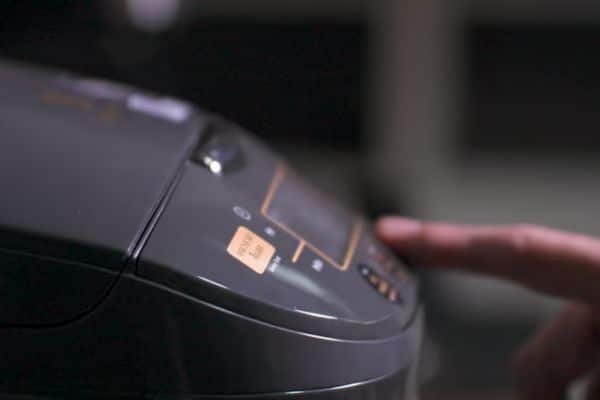
Frequent overheating can damage several internal parts.
Causes Of Overheating
Common causes include:
- Empty cooking cycles
- Poor ventilation
- Faulty thermostat
- Excessive mineral buildup
Prevent Future Damage
Allow the cooker to cool between uses and avoid operating it without water or rice.
Why Rice Cooker Sensors Fail
Sensors work under constant heat stress. Over time, repeated temperature changes weaken their accuracy.
Cheap power fluctuations may also damage sensitive internal electronics. Using stable electrical outlets helps reduce long-term problems.
When To Replace Instead Of Repair
Some rice cookers become too expensive to repair.
Severe Electrical Damage
Heavy burning or melted boards usually cost more to fix than buying a new unit.
Old Appliances
Very old rice cookers may lack replacement parts.
Cracked Heating Plates
Damaged heating surfaces often create unsafe cooking conditions.
How To Prevent Rice Cooker Heating Problems
Good maintenance greatly extends appliance life.
Clean After Every Use
Food residue slowly affects heating performance.
Avoid Slamming The Inner Pot
Rough handling may damage temperature sensors underneath.
Keep The Bottom Dry
Water trapped near heating parts may cause corrosion or electrical failure.
Use Proper Voltage
Incorrect voltage levels sometimes damage heating systems over time.
Simple Maintenance Habits That Help
Small habits make a major difference.
Store Carefully
Avoid wrapping cords too tightly because internal wires may weaken.
Check For Dust
Dust buildup inside ventilation areas increases overheating risk.
Inspect Parts Regularly
Early inspection helps catch small problems before complete failure happens.
DIY Repair Vs Professional Repair
Some repairs are simple while others require professional experience.
Good DIY Repairs
Safe beginner repairs include:
- Cleaning heating plates
- Replacing cords
- Tightening loose wires
- Basic fuse replacement
Repairs Better Left To Professionals
Complex electrical board repairs or heavy wiring damage usually need expert handling.
Best Tools For Rice Cooker Repair
Basic repair tools make troubleshooting easier.
Recommended Tools
Useful tools include:
- Phillips screwdriver
- Multimeter
- Needle nose pliers
- Soft cleaning cloth
- Electrical tape
A multimeter is especially important because it helps identify failed electrical components accurately.
Final Thoughts
Understanding how to repair rice cooker not heating problems helps solve many common kitchen appliance failures without replacing the entire unit. Most heating issues come from dirty heating plates, damaged cords, faulty thermal fuses, or worn sensors. Careful inspection and regular cleaning often restore normal performance quickly.
Proper maintenance also plays a huge role in preventing future heating problems. A clean, dry, and well-maintained rice cooker usually lasts much longer and cooks more consistently. Small repairs completed early often prevent expensive damage later.