
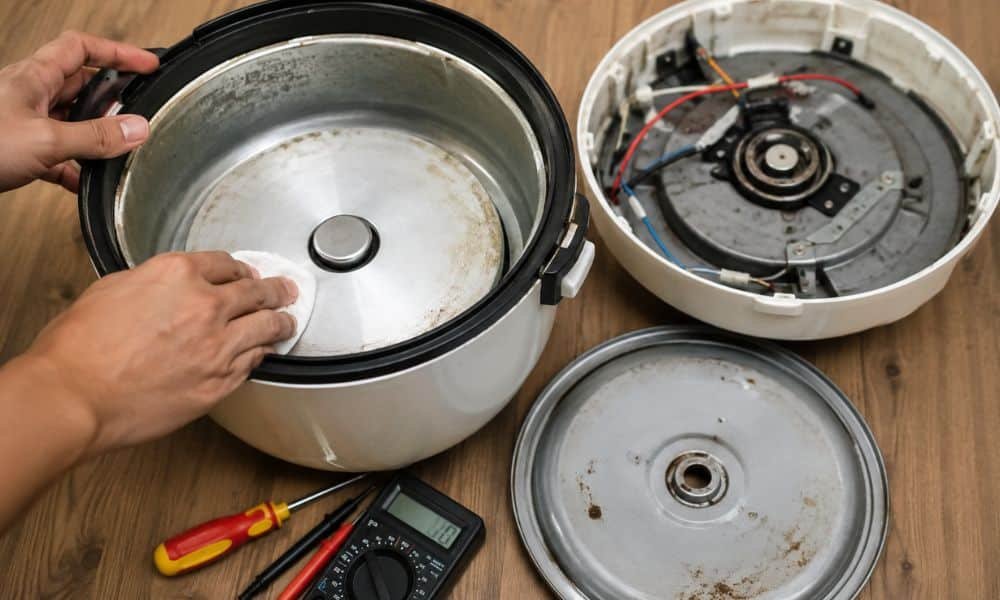
Rice cooker heating plate problem fix methods can save a cooker that suddenly stops heating properly or cooks rice unevenly. Many users notice burnt rice, half-cooked rice, or a cooker that switches to warm mode too early. These issues often happen because of dirt buildup, damaged sensors, loose wiring, or worn heating parts. The good news is that many heating plate problems are easy to repair at home with simple cleaning and basic troubleshooting step
What Does The Heating Plate Do
The heating plate is the round metal part at the bottom of the rice cooker. It transfers heat to the inner pot and controls cooking temperature.
Without proper heat from this plate, the rice cooker cannot:
- Boil water correctly
- Detect cooking temperature
- Switch to warm mode properly
- Cook rice evenly
A damaged or dirty heating plate affects the entire cooking process.
Common Signs Of Heating Plate Problems
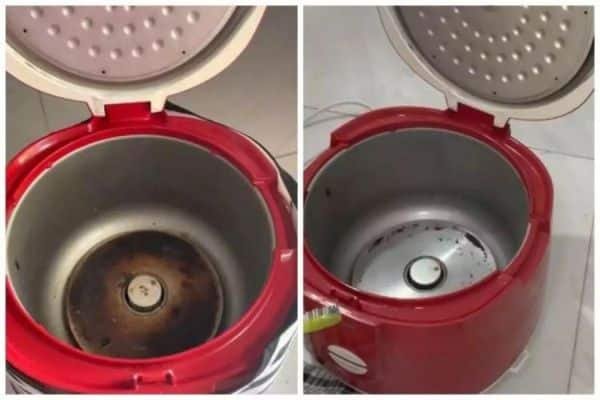
Several warning signs show that the heating plate may have an issue.
Rice Cooker Not Heating
The cooker turns on, but the plate stays cold. Rice never starts cooking.
Uneven Cooking
One side of the rice becomes soft while the other side stays hard.
Burnt Rice At The Bottom
Too much direct heat from a damaged plate can burn rice quickly.
Cooker Turns Off Too Early
The cooker may switch to warm mode before the rice finishes cooking.
Strange Smell Or Smoke
A faulty heating plate can overheat and create a burning smell.
Main Causes Of Rice Cooker Heating Plate Problems
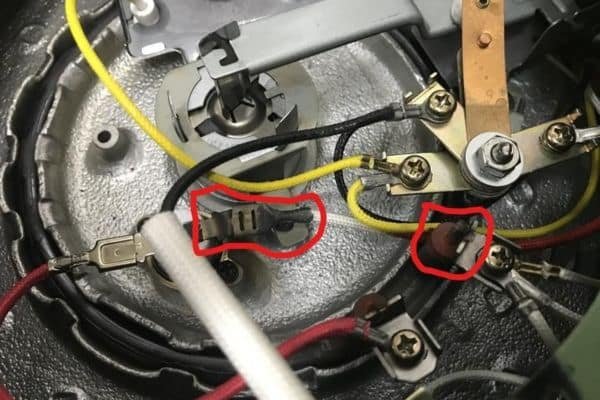
Understanding the cause helps fix the problem faster.
Dirty Heating Plate Surface
Food particles, starch, and water stains often build up on the plate over time.
This prevents proper contact between the inner pot and the heating plate.
Even a small grain of rice stuck underneath can affect cooking performance.
Bent Or Warped Inner Pot
The inner pot must sit flat on the heating plate.
A bent pot creates uneven heat distribution and poor temperature detection.
Loose Power Connection
A loose internal wire or damaged power cord may stop electricity from reaching the plate.
This problem is common in older cookers.
Faulty Thermal Fuse
The thermal fuse protects the cooker from overheating.
Once it blows, the heating plate may stop working completely.
Damaged Thermostat Sensor
The thermostat sensor controls temperature changes.
A damaged sensor can confuse the cooker and cause early shutoff.
Burned Heating Element
Inside the heating plate is an electric heating element.
After years of use, this element may wear out or burn completely.
How To Fix Rice Cooker Heating Plate Problem
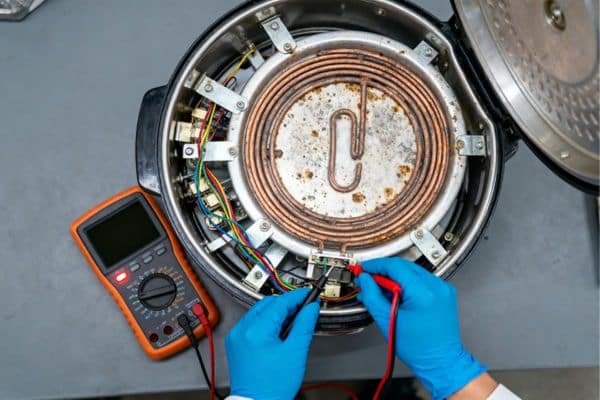
Many heating plate issues can be fixed with simple troubleshooting.
Step 1: Unplug The Rice Cooker
Safety always comes first.
Disconnect the rice cooker from power before touching any internal parts.
Allow the cooker to cool fully.
Step 2: Clean The Heating Plate
A dirty heating plate is one of the most common causes.
Use these steps:
- Remove the inner pot
- Wipe the plate with a soft damp cloth
- Remove stuck rice carefully
- Dry the surface completely
Avoid steel wool or rough scrubbers because they can scratch the plate.
Step 3: Check The Inner Pot Bottom
Turn the inner pot upside down and inspect the bottom.
Look for:
- Dents
- Warping
- Burn marks
- Stuck food
A smooth flat bottom helps heat transfer properly.
Step 4: Test The Rice Cooker
After cleaning:
- Add water only
- Start the cooker
- Wait several minutes
Check whether the plate becomes warm.
A properly working plate should heat quickly.
Step 5: Inspect The Center Sensor
Most rice cookers have a small spring-loaded sensor in the middle of the heating plate.
Press it gently.
It should move up and down smoothly.
Sticky movement can affect temperature control.
Clean around the sensor carefully.
Step 6: Check The Power Cord
A damaged cord may interrupt power flow.
Signs include:
- Loose plug
- Burn marks
- Frayed cable
- Flickering power
Replacing the cord may solve the issue immediately.
How To Fix A Burned Heating Plate
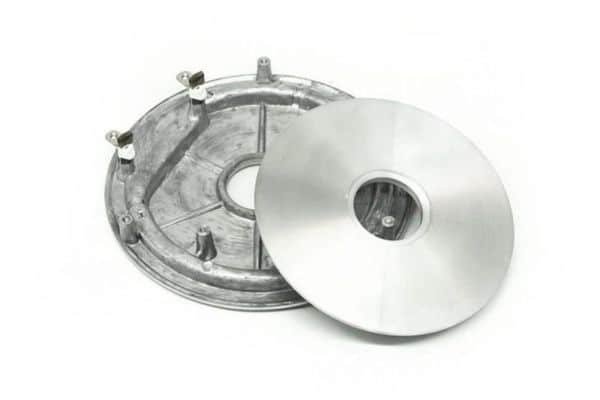
Some heating plates develop dark burn spots after years of use.
Light surface marks are normal. Heavy damage is different.
Minor Burn Marks
Use baking soda paste:
- Mix baking soda with water
- Apply gently
- Wipe with soft cloth
- Dry completely
Severe Damage
Deep cracks or peeling metal usually mean replacement is necessary.
A damaged plate may become unsafe to use.
How To Replace A Rice Cooker Heating Plate
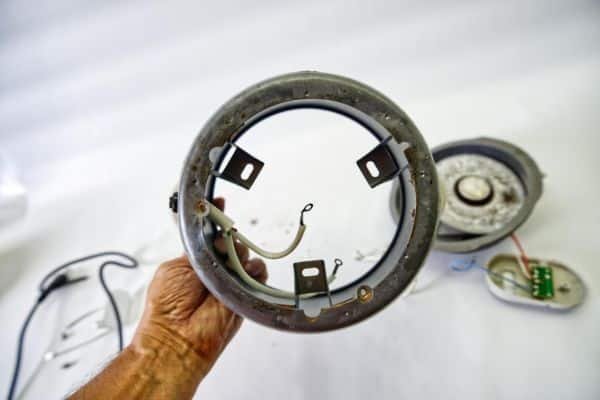
Sometimes replacement is the only solution.
Tools Needed
- Screwdriver
- Replacement heating plate
- Multimeter
- Safety gloves
Basic Replacement Steps
- Unplug the cooker
- Remove bottom screws
- Open the base carefully
- Disconnect old heating plate wires
- Install new plate
- Reconnect wiring
- Reassemble cooker
Always match the replacement part with the exact rice cooker model.
When The Heating Plate Gets Hot But Rice Does Not Cook
This problem usually points to poor heat transfer.
Common causes include:
- Dirty plate surface
- Warped inner pot
- Weak heating element
- Faulty thermostat
The cooker may heat slightly but fail to maintain proper cooking temperature.
Rice Cooker Heating Plate Smoking
Smoke from the plate should never be ignored.
Possible causes:
- Oil or food buildup
- Electrical short
- Burned wiring
- Damaged heating element
Unplug the cooker immediately.
Do not continue using it until the problem is fixed.
Preventing Heating Plate Problems
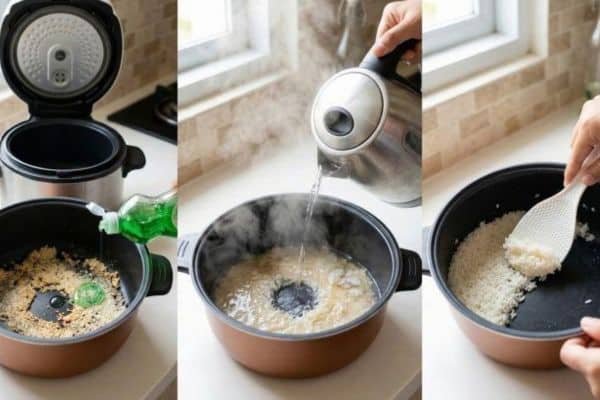
Good maintenance keeps the heating plate working longer.
Always Dry The Pot Bottom
Water underneath the pot creates heat problems and mineral buildup.
Dry the pot fully before placing it inside.
Clean After Every Use
Wipe the plate regularly to prevent starch buildup.
Simple cleaning prevents many future issues.
Avoid Slamming The Pot
Dropping or pressing the pot hard can bend the heating plate sensor.
Gentle handling improves cooker lifespan.
Use Correct Water Levels
Too little water may overheat the plate.
Too much water can create overflow and damage internal parts.
Store Properly
Keep the rice cooker in a dry area away from moisture.
Humidity can damage electrical components over time.
Can You Still Use A Rice Cooker With Heating Plate Problems
Small issues like dirt buildup are usually safe to fix and continue using.
But serious electrical problems are dangerous.
Stop using the cooker immediately if you notice:
- Burning smell
- Sparks
- Smoke
- Exposed wires
- Loud popping sounds
Safety matters more than saving the appliance.
When To Replace The Entire Rice Cooker
Sometimes repair costs become too high.
Replacing the cooker is often better when:
- Multiple internal parts fail
- Heating element burns repeatedly
- The cooker is very old
- Replacement parts are unavailable
Modern rice cookers also use less electricity and cook more evenly.
For more troubleshooting help, read How To Fix Rice Cooker Not Turning On for related repair tips.
Final Thoughts
A rice cooker heating plate problem can seem serious at first, but many issues are easy to solve. Dirt buildup, warped pots, and loose connections are often the real cause behind poor heating.
Regular cleaning and careful use help prevent most heating plate failures. Small maintenance habits can keep a rice cooker working smoothly for years.
For serious electrical damage or burned heating elements, replacement may be the safest option. A properly working heating plate is essential for evenly cooked rice and safe appliance performance.