

Why are air fryers toxic? I asked that before buying mine. The headlines felt loud and scary. I did not want hidden risks sitting on my counter.
Most fears focus on nonstick coatings, PFAS, and high heat. In the United States, cookware materials must meet safety standards. That gave me some peace of mind, yet I still wanted clear facts.
I looked into whether are air fryers safe in real kitchens, not just online debates. I compared them to deep fryers and ovens and checked options like a non toxic air fryer or Teflon-free air fryer. Let’s break this down and see what truly matters for safety.
Quick Answer — Why Are Air Fryers Toxic?
Most air fryers are not toxic during normal use. Risk rises with damaged nonstick coatings or extreme overheating. A well-made unit, when used within safe temperature limits, is generally considered safe. That finding helped calm my early concerns.
Much of the fear centres on Teflon and PFAS. Modern PTFE coatings no longer use PFOA, which caused past alarm. Products sold in the United States must meet food safety standards. Those rules reduce everyday risk in home kitchens.
Issues tend to appear with scratched baskets or very high heat. Worn surfaces can break down under stress. Careful use and basic maintenance lower that risk. Many buyers choose a non-toxic air fryer or a teflon free air fryer for extra peace of mind.
What Sparks the Concern About Air Fryers?

Much of the concern begins with nonstick coatings. Teflon is a brand name for PTFE, a synthetic coating that prevents food from sticking. Older formulas once used PFOA, which raised health alarms years ago. Modern cookware no longer uses that compound, yet the old headlines still echo online.
PFAS are often called “forever chemicals” because they break down slowly in the environment. Not all PFAS are the same, and regulations in the United States have tightened over time. Kitchen appliances must meet food contact safety standards before sale. That oversight reduces everyday risk for home cooks.
Smoke and overheating also fuel fear. Nonstick coatings can break down at very high temperatures far above normal cooking ranges. Burning oil or food often creates more smoke than the appliance itself. Proper use and steady heat keep the process stable.
Are Air Fryers Safe for Everyday Cooking?
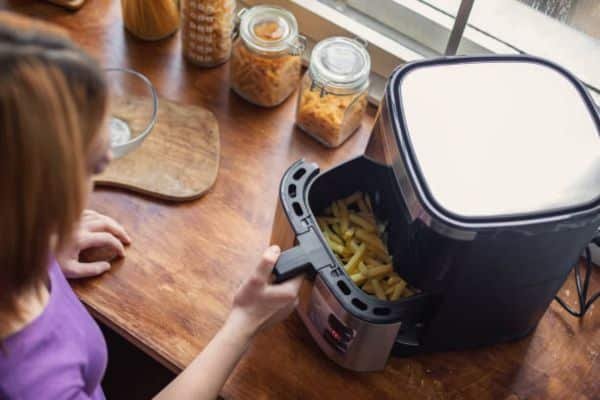
Many people ask are air fryers safe for daily meals. In normal conditions, they operate like small convection ovens with strong air flow. They use less oil than deep fryers, which can reduce excess fat in food. Health agencies note that lower oil cooking may reduce certain harmful compounds formed during frying.
I switched from deep frying to air frying for weeknight dinners. My kitchen felt lighter, and cleanup became easier. The crisp texture remained close to traditional frying. That shift made me feel more in control of both taste and health.
Are Air Fryers Bad for You? Separating Myth From Fact
Online posts often amplify worst-case scenarios. Scientific reviews focus on real exposure levels and typical use. Problems tend to link to damaged coatings or extreme misuse rather than normal cooking. Context matters more than fear.
It helps to separate design flaws from user habits. Scratched baskets, poor ventilation, or very high heat increase risk. A well-built unit used within guidelines presents low concern. Balanced information leads to calm decisions.
What Makes a Non Toxic Air Fryer?
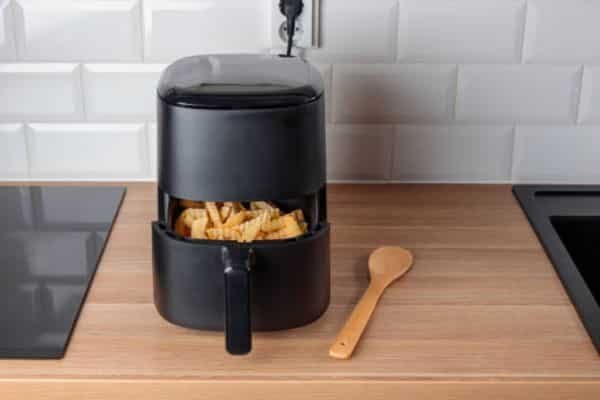
A non toxic air fryer usually avoids traditional PTFE coatings. Ceramic coatings, stainless steel baskets, and glass interiors are popular choices. These materials resist peeling and handle heat well. Many buyers prefer a teflon free air fryer for added reassurance.
Look for BPA-free plastics and sturdy heating elements. Strong temperature ratings signal durability. Certifications such as UL listing and FDA food contact compliance add another layer of trust. Clear labeling shows brand transparency.
Safest Air Fryers — What Features Matter Most
Stable temperature control prevents overheating. Covered heating coils reduce direct contact with food. Durable coating quality lowers the chance of flaking. Honest brands provide material details without vague claims.
Safety depends more on build quality than hype. Marketing words mean little without solid construction. Reading manuals and checking material lists helps buyers make wise choices. Thoughtful selection supports long-term use.
How I Evaluated My Own Air Fryer for Safety
Before buying, I checked the basket material and maximum heat rating. I read the manual to see how the coating was described. I chose stainless steel components where possible. That research gave me confidence in my purchase.
After months of use, the surface remains smooth and intact. I avoid metal utensils and harsh scrubbing. Simple care protects the interior. Experience has shown me that attention matters more than fear.
How to Use an Air Fryer Safely

Avoid metal tools that scratch the basket. Stay within recommended temperature ranges. Keep the appliance in a well-ventilated space. Replace parts that show visible wear.
Basic habits extend appliance life. Gentle cleaning preserves coating strength. Clear airflow supports steady cooking. Responsible use keeps risk low.
Frequently Asked Questions
Are air fryers toxic to breathe?
Normal cooking does not release harmful fumes. Overheated or damaged coatings can produce smoke at extreme temperatures.
Do air fryers release chemicals?
Properly maintained units do not release harmful chemicals during standard use. Problems arise with severe overheating or surface damage.
What is the safest material for an air fryer?
Stainless steel and ceramic-coated baskets are widely viewed as stable and durable options.
Is a Teflon free air fryer better?
Some buyers prefer teflon free air fryer models for peace of mind. Quality construction matters more than label alone.
Are air fryers healthier than deep fryers?
Air fryers use far less oil than deep fryers. Lower oil cooking can reduce excess fat in meals.
Final Thought
Fear often grows from outdated information. Modern appliances must meet safety standards before sale. Risk depends on build quality and responsible use.
Air fryers can be safe with proper care and smart selection. A thoughtful buyer looks at materials and certifications. Clear facts replace anxiety with informed choice.