
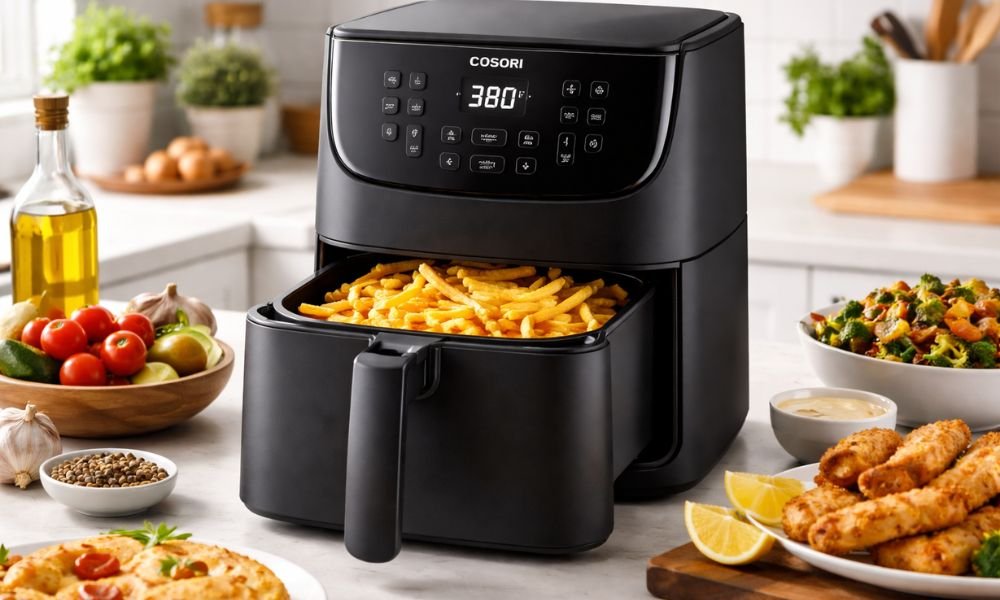
The question is cosori air fryer toxic pops up a lot, especially after unboxing a new unit and noticing that first warm smell. The design looks sleek. The promise of crispy food with less oil sounds great. Yet concerns about coatings and safety can sit quietly in the back of the mind.
Many people wonder, are air fryers safe, or are air fryers bad for you over time. Searches for a non toxic air fryer or even the safest air fryers keep rising. Fear often centers on non-stick surfaces and the idea of a teflon free air fryer being the only safe path.
This guide breaks down the real materials used, the meaning of PFOA-free, and the difference between normal cooking and overheating misuse. Clear facts, simple science, and practical insight will help you decide with confidence and cal
Quick Answer – Is Cosori Air Fryer Toxic?
No, Cosori air fryers are not toxic under normal cooking use. Most models use a non-stick coating that is PFOA-free and designed for safe kitchen temperatures. Risk comes from overheating misuse, not from normal materials. In short, proper use keeps it safe.
Many people mix up toxic materials with damaged coatings. The coating used is typically PTFE, not PFOA. PFOA is a past chemical linked to health concerns and is no longer used in modern food appliances. The short answer is this: safe design, unsafe habits cause problems.
Kitchen tools are like cars. They run well within limits and break down under stress. Staying within heat limits and caring for the basket protects both food and health. That simple habit makes a big difference.
What Materials Does a Cosori Air Fryer Use?
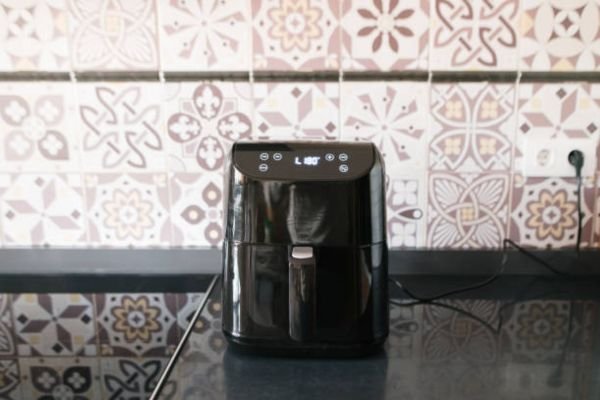
Cosori air fryers use a metal basket with a non-stick coating and a heat-safe outer shell. The cooking surface is usually aluminum with a coated layer. The outside is made from strong plastic that stays cool to the touch. In short, it uses common modern appliance materials.
Non-Stick Coating Explained
Most models use PTFE as the non-stick surface. PTFE is a stable coating used in many cookware items. PFOA is a different chemical that older products once used in manufacturing. Modern units are PFOA-free, which removes that past concern.
PTFE stays stable under normal cooking heat. Safety agencies note that breakdown starts at very high temperatures, around 500°F and above. Normal air frying runs below that range. The short answer is this: safe under standard kitchen use.
Basket & Exterior Materials
The inner basket usually has an aluminum base for fast heat flow. Some parts may include stainless steel for strength and durability. The outer housing uses heat-resistant plastic that does not touch food. In short, food contacts metal and coated surfaces, not raw plastic.
For anyone seeking a non toxic air fryer, material design matters more than brand fear. Look at what touches food and how heat is controlled. Most safety concerns come from misuse, not from standard construction.
Are Air Fryers Bad For You? The Bigger Picture
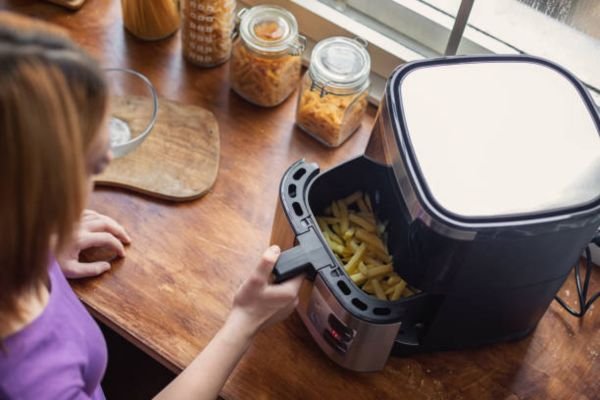
Many people ask, are air fryers bad for you compared to deep frying. Air frying uses hot air and far less oil. That cuts down total fat and calories in many meals. In short, it reduces oil exposure.
There is also talk about acrylamide, a compound that can form in very browned foods. This happens in ovens, frying pans, and deep fryers too. The key factor is excessive browning, not the appliance itself. Balanced cooking lowers that risk.
Food safety groups focus on temperature control and proper cooking, not fear of the device. Used correctly, air frying can support healthier eating patterns. The short answer is this: method matters more than machine.
Are Air Fryers Safe If Used Daily?
Yes, air fryers are safe for daily use within normal temperature limits. Most cooking stays between 325°F and 400°F. That range sits below extreme breakdown levels. Consistent safe use keeps risk low.
Empty overheating causes stress on any coated surface. Running a unit at max heat without food pushes it harder than needed. Gentle cleaning also protects the coating. A soft sponge works better than metal tools.
Replace baskets that show peeling or deep scratches. Worn coatings deserve attention. In short, care and awareness maintain safety over time.
My Personal Experience Using a Cosori Air Fryer
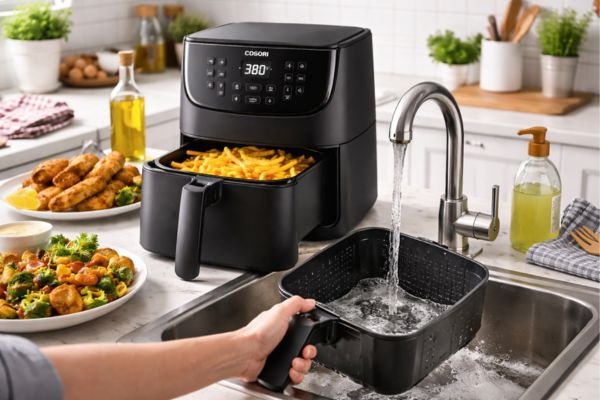
The purchase started with a goal to cut oil from daily meals. Fries and chicken tasted crisp with little spray oil. The first heat cycle gave a mild factory smell that faded after a short run. That initial scent is common in new appliances.
Several high-heat cycles tested stability. Repeated cooking sessions showed no flaking or change in surface texture. Months later, the basket still looks smooth. Proper cleaning played a big role.
Pros include speed and easy cleanup. A concern remains around scratching the coating with hard tools. Respecting the surface keeps performance strong. Experience shows care equals confidence.
When Can a Cosori Air Fryer Become Unsafe?
A scratched basket increases wear on the coating. Peeling areas expose the base metal. Cooking above 450°F pushes the surface closer to stress levels. Burnt food left inside adds residue buildup.
Metal utensils can chip the surface. Repeated burning of oils also damages coatings. The short answer is this: damage and extreme heat create problems, not normal cooking.
How To Choose a Non Toxic Air Fryer
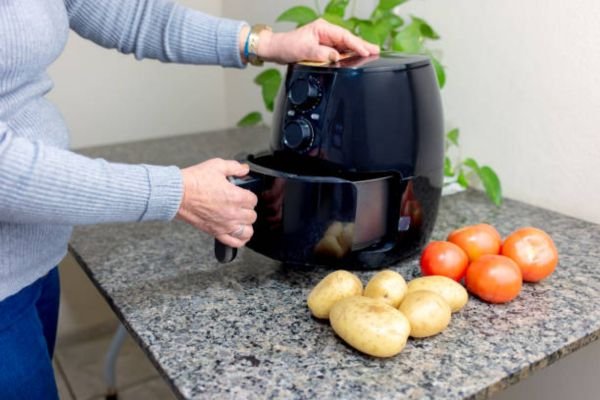
Choosing wisely starts with reading labels. Look for clear material details and safety claims. Transparency builds trust.
Look For These Labels
- PFOA-free
- BPA-free
- Stainless steel interior options
These signs show modern manufacturing standards. Clear labeling supports safer choices.
Consider Teflon Free Air Fryer Options
A teflon free air fryer may use ceramic coating or full stainless steel baskets. Some models use glass bowls for cooking chambers. Each option reduces reliance on traditional non-stick layers.
Ceramic coatings resist sticking and avoid PTFE. Stainless steel offers durability with no coating. Glass options allow visible cooking without surface layers. The short answer is this: material preference guides comfort level.
Safest Air Fryers Compared
Stainless steel interior models rank high for durability. Ceramic coating models appeal to those avoiding standard non-stick. Brands that clearly list materials earn more trust.
The safest air fryers share one trait: clear material disclosure. No hidden components, no vague claims. Transparency equals confidence.
FDA & Safety Standards Explained Simply
PTFE remains stable under normal cooking heat. Decomposition begins at very high levels, far above standard air frying ranges. Household cooking rarely reaches that threshold.
Overheating causes breakdown, not brand name. Staying within safe heat keeps materials stable. The short answer is this: temperature control protects health.
Common Myths About Air Fryer Toxicity
“All non-stick is toxic” is not accurate. Modern coatings differ from older formulas. Manufacturing standards improved over time.
“Air fryers cause cancer” lacks direct proof tied to proper use. Excessive browning in any method raises compound formation. Control heat and browning for safer results.
“Plastic smell means poison” often reflects factory residue burning off. That scent fades after initial cycles. Evidence shows normal use remains safe.
How To Make Your Air Fryer Safer At Home
Run one empty cycle at moderate heat to clear factory residue. Keep temperatures within recipe range. Avoid aerosol sprays that leave sticky buildup.
Clean gently after each use. Replace baskets that show wear. The short answer is this: care and heat control maintain safety.
FAQs
Is Cosori air fryer toxic at high heat?
Extreme overheating above recommended limits can stress coatings. Normal cooking ranges remain safe.
Does Cosori use Teflon?
Most models use PTFE-based non-stick coatings and are PFOA-free.
Are air fryers safer than microwaves?
Both are safe under proper use. Each uses different heating methods.
What is the safest air fryer material?
Stainless steel and ceramic-coated options appeal to those avoiding traditional non-stick.
Can scratched nonstick coating harm you?
Deep peeling warrants replacement. Minor surface wear under normal use poses low risk.
Is ceramic air fryer better than nonstick?
Ceramic avoids PTFE but still requires proper care. Preference depends on comfort and maintenance habits.
Conclusion
For most households, concern stays low under normal use. Avoid extreme heat and protect the coating. People uncomfortable with any non-stick layer may prefer stainless steel or ceramic options.
Cosori remains safe for users who follow heat limits and clean gently. The real risk lies in misuse, not the appliance itself. In short, informed care brings peace of mind.