

Many people ask how are air fryers toxic after seeing posts about chemicals or non-stick coatings. I had the same thought one evening while cooking fries in my air fryer. The food looked great, yet the question stayed in my mind. Curiosity pushed me to learn what really happens inside these popular kitchen tools.
After years of cooking with different models, I explored topics like are air fryers bad for you, coating safety, and heat reactions. I also looked into non toxic air fryer designs and teflon free air fryer options. In this guide, I share what I learned so you can decide whether air fryers are safe and how to choose the safest air fryers for everyday cooking.
Why People Think Air Fryers Are Toxic
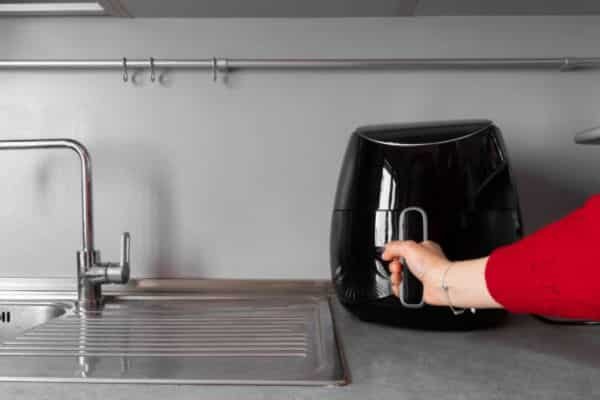
Many people search how are air fryers toxic after reading posts about chemicals or heated coatings. The concern often comes from a mix of science and online rumors. A modern kitchen appliance feels safe, yet words like “toxic fumes” create doubt. A closer look at the real causes helps clear much of the confusion.
Non-Stick Coatings and Chemical Concerns
Most air fryers use a non-stick layer made with PTFE, often known as Teflon. This coating helps food slide out with little oil. Problems appear only at very high heat levels. Research shows PTFE begins to break down at temperatures above about 500°F (260°C), which is higher than the normal air fryer cooking range.
Acrylamide Formation In High Heat Cooking
Another concern relates to acrylamide, a compound that forms during high-heat cooking. Foods such as potatoes, bread, and chips can produce this compound during frying, baking, or roasting. The reaction happens in many kitchen methods, not just air fryers. Balanced cooking times and moderate heat help reduce this risk.
Plastic Components Near Heat
Some lower-priced models use plastic parts close to the heating area. During early use, a faint smell may appear as manufacturing residue burns away. This odor usually fades after a few cooking cycles. Quality appliances with heat-resistant materials rarely show this issue.
Are Air Fryers Bad For You?
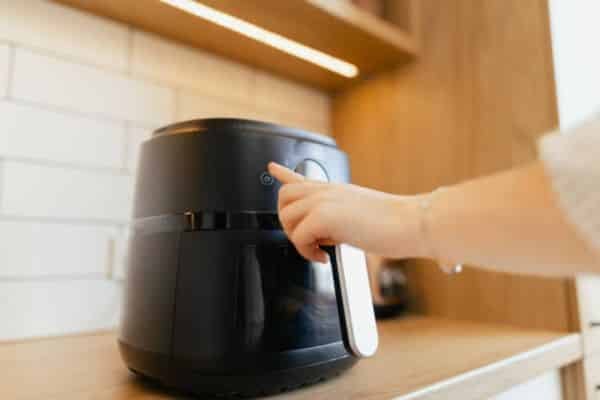
Questions like are air fryers bad for you often come from confusion about heat and coatings. In reality, the appliance itself does not harm health in normal kitchen use. Cooking habits play a larger role than the machine itself. Balanced use and proper care keep meals both safe and nutritious.
Health Benefits Compared To Deep Frying
Air fryers cook food with rapid hot air instead of large amounts of oil. This method often cuts oil use by 70–80 percent compared with deep frying. Lower oil use can reduce calorie intake. Many people choose air fryers for this reason alone.
When Air Fryers Could Be Unhealthy
Unhealthy results usually come from cooking habits rather than the appliance. Burnt food can produce unwanted compounds during any high-heat cooking method. Heavy use of frozen processed foods also reduces the health benefit. Damaged non-stick baskets may affect cooking quality as well.
Are Air Fryers Safe To Use Every Day?
Many kitchens now rely on air fryers for daily meals. Regular use remains safe with proper care and temperature control. Good ventilation and clean baskets help maintain stable cooking conditions. Most models operate between 300°F and 400°F, well within safe limits for PTFE coatings.
Careful handling also protects the cooking surface. Scratches in the basket reduce coating life and performance. Gentle cleaning and wooden or silicone tools help preserve the interior. Small habits like these extend the lifespan of the appliance.
What Makes A Non Toxic Air Fryer?
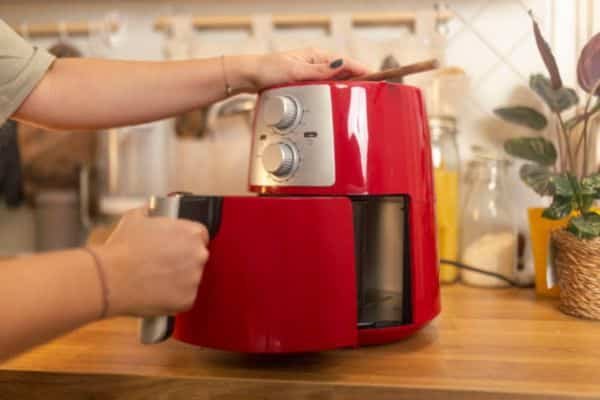
Interest in the non toxic air fryer concept has grown as buyers learn more about cooking materials. The safest designs focus on stable, heat-resistant surfaces. Manufacturers now use alternatives that reduce chemical concerns. Material choice plays a key role in long-term safety.
Ceramic Coated Baskets
Ceramic coatings provide a naturally smooth cooking surface. Many versions avoid PFAS-based chemicals used in traditional coatings. Food releases easily without heavy oil use. This design appeals to buyers seeking safer cookware materials.
Stainless Steel Air Fryer Baskets
Stainless steel offers another dependable option. The metal remains stable under high heat and resists scratching. Premium air fryer models sometimes use stainless steel baskets or trays. Durability and chemical stability make this material attractive.
Glass Air Fryers
Glass air fryers appear less often on the market. Remains chemically inert and does not react with heat or food. Some countertop convection ovens use glass bowls for this reason. The material provides a very clean cooking surface.
Teflon Free Air Fryer – Do They Exist?
Interest in teflon free air fryer designs has grown in recent years. Many brands now promote PTFE-free coatings in product descriptions. Ceramic and stainless steel alternatives appear more often in modern appliances. Buyers can confirm these materials through manufacturer specifications or safety listings.
Safest Air Fryers Based On Materials
Material quality often defines the safest air fryers on the market. Several features signal a well-built appliance designed for long-term safety.
Key safety features include:
- PTFE-free or ceramic coating
- Stainless steel cooking surfaces
- BPA-free plastic components
- Automatic shut-off protection
These elements improve durability and cooking stability. Many buyers also compare air fryer sizes before buying. A quick guide on Power XL Vortex Air Fryer 5 Qt Vs 7 Qt explains how basket size affects cooking and daily use.
My Personal Tips To Use An Air Fryer Safely
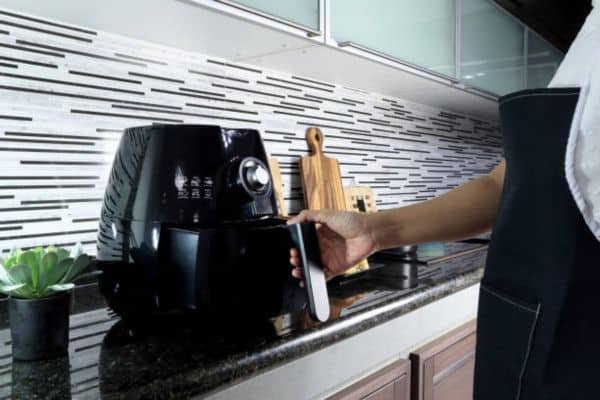
Safe air fryer use often comes down to simple habits. A few basic practices protect both food quality and appliance lifespan.
• Avoid cooking above recommended temperature levels
• Replace baskets that show peeling coating
• Clean grease buildup regularly
• Leave space between food pieces for airflow
• Use parchment liners for delicate foods
These small steps keep cooking smooth and reliable.
Common Air Fryer Safety Mistakes
Small mistakes can reduce cooking safety over time. Awareness helps prevent most problems.
• Scratching baskets with metal utensils
• Running the appliance at maximum heat constantly
• Ignoring strong burnt smells
• Using trays with damaged coating
Gentle care protects both food and equipment.
Air Fryer Vs Deep Fryer – Which Is Healthier?
| Feature | Air Fryer | Deep Fryer |
| Oil usage | Very low | High |
| Calories | Lower | Higher |
| Cooking method | Hot air circulation | Oil immersion |
| Safety | Generally safe | Oil burn risk |
Air fryers reduce oil use and lower calorie intake. Deep fryers rely on large amounts of hot oil, which increases both calories and burn risk.
FAQs
Are air fryers bad for you long term?
Air fryers show no direct health risk during normal cooking use. Healthy ingredients and balanced cooking habits matter more than the appliance itself.
Are air fryers safe for everyday cooking?
Daily use remains safe with proper temperature control and regular cleaning. Most households use air fryers as a routine cooking tool.
Is a non toxic air fryer worth buying?
Models with ceramic or stainless steel interiors appeal to buyers who prefer chemical-free cookware materials.
Final Thoughts
Air fryers remain widely used kitchen appliances across many homes. Research and real-world cooking experience show that they operate safely within normal temperature ranges. Concerns about toxicity usually connect to extreme heat or poor material quality.
The safest approach involves choosing reliable materials and maintaining good cooking habits. Ceramic or stainless steel interiors add an extra layer of confidence. With proper care, air fryers provide a simple and efficient way to cook everyday meals.