
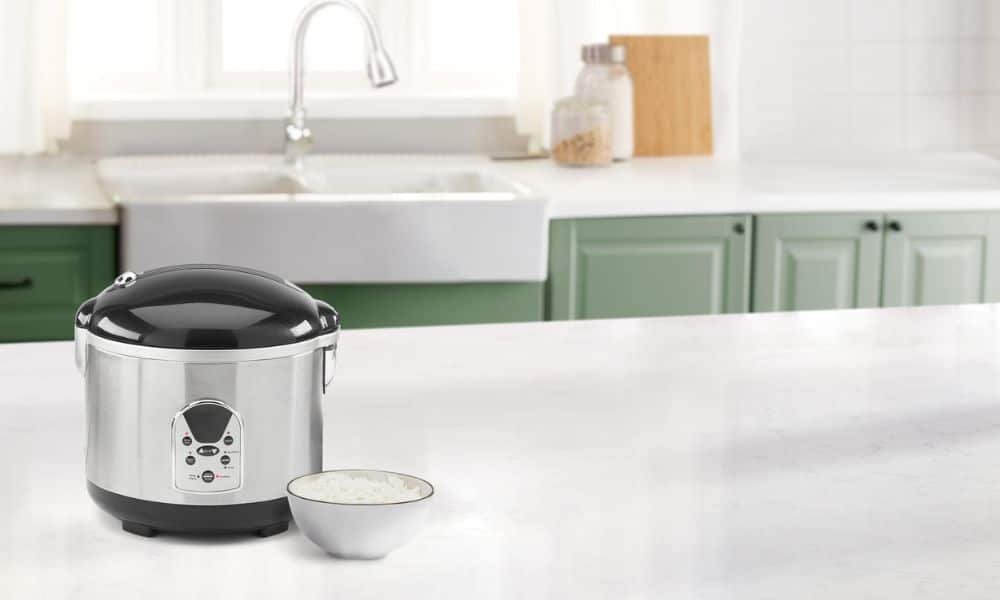
Rice cookers are designed to make cooking rice simple and stress-free. Most people expect the cooker to stay in cooking mode until the rice is fully done. However, many users face a frustrating problem where the rice cooker switches to warm too early. This can leave rice undercooked, hard, or unevenly cooked. Understanding why a rice cooker switches to warm too early can help prevent wasted food and keep your appliance working properly.
How A Rice Cooker Knows When To Switch To Warm
A rice cooker works using a temperature sensor located beneath the inner cooking pot. During cooking, water inside the pot keeps the temperature close to the boiling point.
As long as water remains in the pot, the temperature stays stable. Once most of the water is absorbed or evaporated, the temperature rises quickly. The sensor detects this change and automatically switches the rice cooker from cook mode to warm mode.
This process works well under normal conditions. Problems happen when the sensor receives incorrect temperature readings.
Not Enough Water In The Rice Cooker
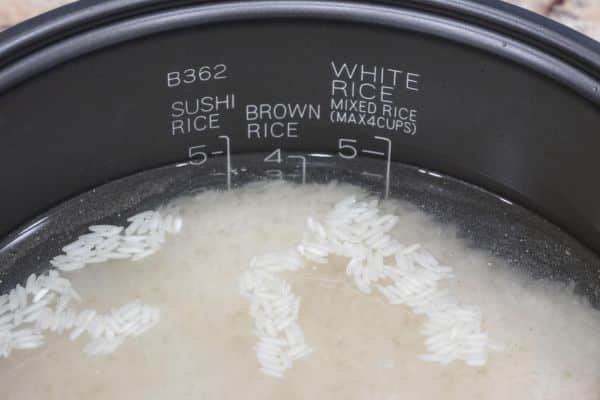
One of the most common reasons a rice cooker switches to warm too early is insufficient water.
Rice needs the correct amount of water to cook properly. When there is not enough water, the liquid evaporates quickly. The cooker assumes the rice is finished and changes to warm mode before the rice is fully cooked.
Always follow the water-to-rice ratio recommended by the manufacturer. Different rice varieties require different amounts of water.
For example, brown rice usually needs more water than white rice. Using the wrong ratio can trigger early warm mode activation.
Incorrect Rice-To-Water Ratio
Even small measuring mistakes can affect cooking performance.
Adding too much rice without increasing the water can cause uneven cooking. Some grains absorb water while others remain hard.
The sensor only detects temperature. It does not know whether the rice is fully cooked. Once the water disappears, the cooker switches to warm mode regardless of the rice texture.
Using the measuring cup included with the rice cooker helps ensure accurate ratios.
Dirty Or Damaged Temperature Sensor
The temperature sensor plays a critical role in rice cooker operation.
Over time, food particles, starch residue, or burnt rice can collect around the sensor area. This buildup may interfere with accurate temperature readings.
When the sensor becomes dirty, it can falsely detect high temperatures and trigger warm mode too soon.
Cleaning the bottom of the inner pot and the heating plate regularly helps maintain proper contact between the sensor and the cooking pot.
Inner Pot Not Sitting Properly
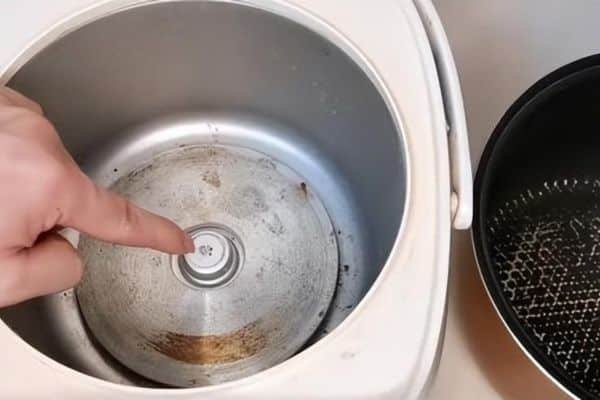
The inner cooking pot must sit flat on the heating plate.
If rice grains, dirt, or debris become trapped underneath the pot, the sensor may receive inaccurate temperature information.
A tilted or uneven pot can create hot spots that confuse the cooker.
Before every use, remove the inner pot and inspect both the bottom of the pot and the heating plate. Wipe away any moisture, rice grains, or food residue.
Faulty Heating Plate
The heating plate supplies heat to the cooking pot.
If the heating element begins failing, it may not generate enough heat to maintain proper cooking temperatures.
In some cases, weak heating causes water to evaporate unevenly. The sensor detects unusual temperature changes and switches to warm mode prematurely.
Signs of heating plate problems include slow cooking, unevenly cooked rice, and inconsistent performance between batches.
Malfunctioning Thermostat
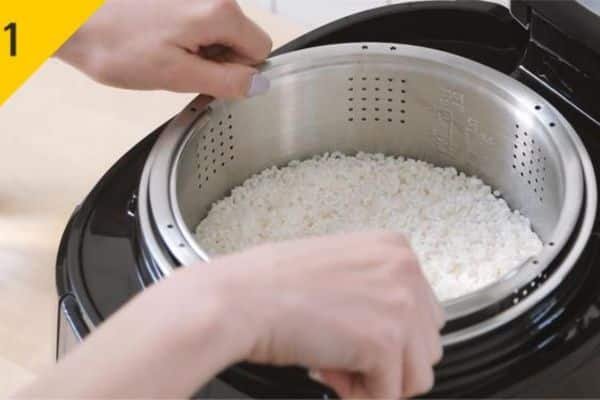
A thermostat controls temperature regulation inside the rice cooker.
When the thermostat becomes defective, it may misread temperatures and activate warm mode at the wrong time.
A faulty thermostat often causes repeated cooking issues even when the correct amount of rice and water is used.
Older rice cookers are more likely to develop thermostat-related problems due to years of heat exposure.
Worn-Out Magnetic Switch
Many traditional rice cookers use a magnetic switch mechanism.
This switch helps keep the cooker in cook mode while rice is cooking. Over time, the magnet can weaken or become damaged.
A weak magnetic switch may release too early and force the cooker into warm mode before cooking finishes.
This issue is common in older rice cookers that have been used heavily for several years.
Overfilled Rice Cooker
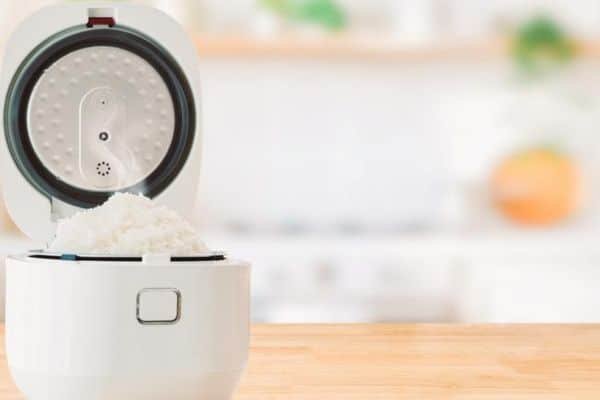
Filling the rice cooker beyond its maximum capacity can cause problems.
Large amounts of rice may interfere with proper heat circulation. Water distribution becomes uneven, leading to inconsistent cooking.
The sensor may detect temperature changes before all rice has absorbed enough water.
Always stay within the recommended capacity markings inside the cooking pot.
Low-Quality Or Warped Inner Pot
The inner pot directly affects heat transfer.
After years of use, some inner pots become warped or damaged. A bent pot may not sit evenly on the heating plate.
Poor contact between the pot and sensor can result in incorrect temperature readings.
Inspect the bottom of the pot regularly. If you notice dents or warping, replacing the pot may solve the problem.
Electrical Problems
Power-related issues can sometimes trigger early warm mode activation.
Loose internal wiring, damaged circuit boards, or failing electronic components may interfere with normal operation.
Modern digital rice cookers rely on electronic controls to manage cooking cycles. When these components fail, unexpected behavior can occur.
If electrical issues are suspected, professional repair may be necessary.
Rice Type Can Affect Cooking Time
Different rice varieties cook differently.
White rice generally cooks quickly. Brown rice, jasmine rice, basmati rice, and wild rice often require different water levels and cooking times.
Using a standard white rice setting for a rice variety that needs longer cooking may cause the cooker to switch to warm before the rice reaches the desired texture.
Many advanced rice cookers offer specialized settings for different rice types.
Steam Vent Problems
The steam vent helps regulate pressure and moisture during cooking.
A clogged steam vent can disrupt the cooking process. Excess pressure or trapped moisture may create abnormal temperature conditions.
This can confuse the sensor and cause early switching to warm mode.
Cleaning the steam vent regularly helps maintain consistent performance.
How To Fix A Rice Cooker That Switches To Warm Too Early
Start by checking the water level and rice measurements.
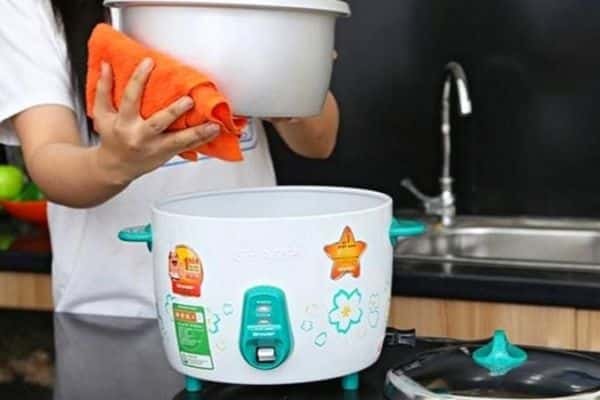
Next, clean the heating plate, temperature sensor area, steam vent, and bottom of the inner pot.
Make sure the inner pot sits completely flat inside the cooker.
Test the appliance with a small batch of rice using the manufacturer’s recommended water ratio.
If the problem continues after cleaning and proper measurement, internal components such as the thermostat, heating plate, or magnetic switch may need repair or replacement.
Preventing Future Problems
Regular maintenance is the best way to prevent premature warm mode activation.
Clean the cooker after every use. Avoid scratching the inner pot. Measure rice and water carefully. Never exceed the maximum fill line.
Store the appliance in a dry location and inspect it periodically for signs of wear.
Proper care helps extend the life of the rice cooker and ensures consistently cooked rice.
Frequently Asked Questions
Is it normal for a rice cooker to switch to warm automatically?
Yes. Rice cookers are designed to switch to warm mode after cooking is complete. The problem occurs only when the switch happens before the rice is fully cooked.
Can too little water cause a rice cooker to switch to warm early?
Yes. Insufficient water is one of the most common causes. The sensor detects a temperature rise and assumes cooking is finished.
Why is my rice still hard after the cooker switches to warm?
Hard rice usually indicates not enough water, incorrect measurements, sensor problems, or a faulty thermostat.
Can a dirty sensor affect rice cooker performance?
Yes. Dirt, starch, and food residue can interfere with temperature readings and cause premature switching.
Should I replace my rice cooker if it keeps switching to warm too early?
Not always. Cleaning, proper measurements, and replacing worn parts often solve the problem. Replacement may only be necessary if major internal components fail.
Final Thoughts
If your rice cooker switches to warm too early, the cause is usually related to water levels, sensor issues, improper pot placement, or worn internal components. In many cases, the problem can be fixed with simple cleaning and proper rice-to-water measurements. Regular maintenance and careful use will help your rice cooker deliver perfectly cooked rice and prevent frustrating cooking interruptions.