

A rice cooker is one of the most useful kitchen appliances. It saves time, makes cooking easier, and helps produce consistent results. However, like any appliance, it can sometimes develop issues. Understanding rice cooker common problems and solutions can help you avoid frustration and keep your appliance working properly for years.
Most rice cooker problems are simple to fix. In many cases, the issue comes from incorrect usage, poor cleaning habits, or worn-out parts. Before replacing your rice cooker, it is worth trying a few troubleshooting steps.
Why Rice Cookers Develop Problems
Rice cookers work through a combination of heat, sensors, and automatic controls. Over time, food residue, moisture, and normal wear can affect performance.
Some problems happen because the rice-to-water ratio is incorrect. Others occur when internal components become dirty or damaged.
Regular maintenance helps prevent many common rice cooker issues.
Rice Cooker Not Turning On
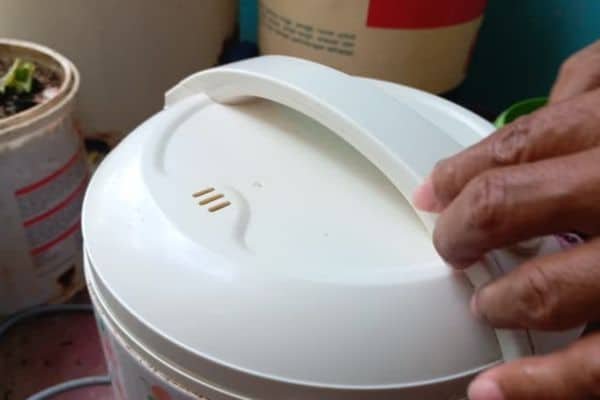
One of the most frustrating problems is a rice cooker that refuses to turn on.
First, check the power cord. Make sure it is plugged in securely. Try another electrical outlet to rule out a power issue.
Inspect the cord for visible damage. If the cord appears worn or frayed, it may need replacement.
Some rice cookers also have thermal fuses that can fail after years of use. If basic checks do not solve the problem, professional repair may be necessary.
Rice Cooker Not Heating Up
Sometimes the power light turns on, but the cooker does not generate heat.
This issue is often linked to the heating plate underneath the cooking pot.
Food debris trapped under the inner pot can prevent proper heat transfer.
Remove the pot and clean both the heating plate and the bottom of the inner pot.
If the problem continues, the heating element may be faulty and require repair.
Rice Comes Out Too Hard
Hard rice is a common complaint among rice cooker users.
The most frequent cause is insufficient water.
Different rice varieties require different water ratios. White rice, brown rice, jasmine rice, and basmati rice all absorb water differently.
Always follow the manufacturer’s recommended measurements.
Opening the lid during cooking can also release steam and affect the final texture.
Rice Comes Out Mushy
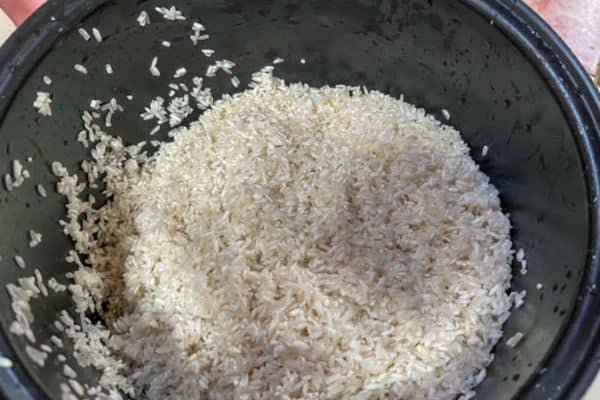
Mushy rice usually results from too much water.
Using excess water causes the rice to absorb more moisture than necessary.
Measure rice and water carefully before cooking.
Old rice can also affect texture. Fresh rice often produces better results.
Allowing the rice to sit on warm mode for extended periods may make it softer than desired.
Rice Cooker Keeps Switching To Warm Mode
Many users experience a situation where the cooker switches to warm mode before the rice finishes cooking.
This can happen if the sensor detects temperature changes incorrectly.
Check that the inner pot sits flat on the heating plate.
Any debris under the pot may interfere with sensor readings.
If the problem persists, the thermostat or sensor may require replacement.
Rice Cooker Burning Rice
Burned rice is another common issue.
A small amount of browning may be normal in some models, but excessive burning indicates a problem.
Insufficient water often causes rice to burn.
Dirty sensors can also create false temperature readings.
Clean the heating plate regularly and ensure proper water measurements.
Using the correct cooking setting for your rice type can also help.
Rice Cooker Overflowing During Cooking
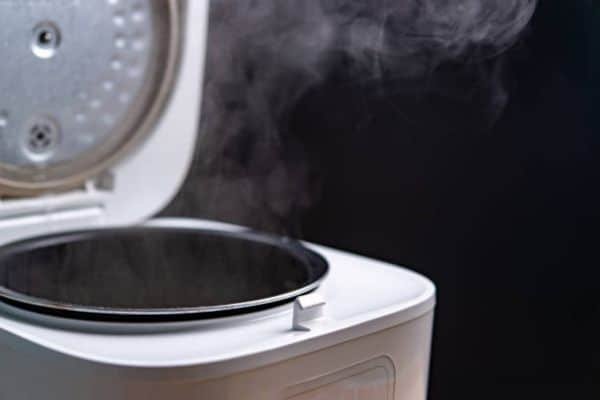
Overflowing water can create a mess on the kitchen counter.
This problem usually occurs when too much water is added.
Starchy rice varieties may also foam excessively.
Rinsing rice thoroughly before cooking removes excess starch and reduces bubbling.
Avoid filling the cooker beyond its maximum capacity line.
Rice Sticking To The Bottom
Rice sticking to the bottom can make cleanup difficult.
The issue often occurs when the non-stick coating becomes worn.
Using too little water may also contribute to sticking.
Adding the correct amount of water and cleaning the cooker after every use helps reduce this problem.
If the inner pot coating is peeling, replacement may be the best solution.
Rice Cooker Produces Strange Smells
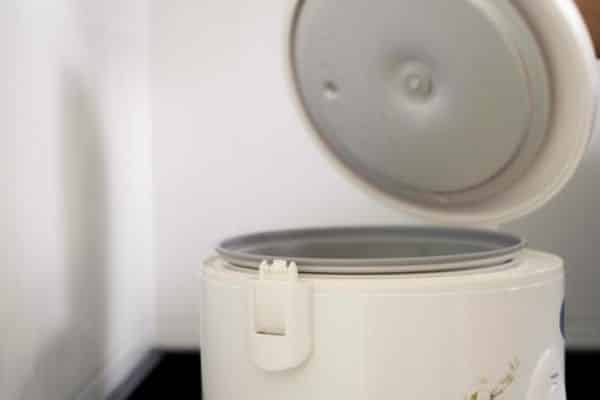
A bad smell coming from the rice cooker often indicates trapped food residue.
The lid, steam vent, and sealing areas can collect moisture and food particles.
Wash removable parts thoroughly after each use.
Allow all components to dry completely before reassembling the cooker.
Regular deep cleaning helps eliminate unpleasant odors.
Steam Escaping From The Sides
Steam should primarily exit through the designated steam vent.
If steam escapes from around the lid, check the sealing components.
Some models use rubber gaskets that can wear out over time.
Inspect the gasket for cracks, damage, or food buildup.
Replacing a damaged seal often solves the problem quickly.
Rice Cooker Lid Will Not Close Properly
A lid that refuses to close can affect cooking performance.
Food residue around the locking mechanism is a common cause.
Clean the latch area carefully and inspect for broken parts.
Warped or damaged components may require replacement.
Avoid forcing the lid shut, as this can cause further damage.
Rice Cooker Beeping Constantly
Many modern rice cookers use beeping sounds to indicate cooking status.
However, continuous beeping may signal an error.
Consult the user manual for specific error codes.
In some cases, unplugging the cooker for several minutes can reset the system.
If the beeping continues, a sensor issue may be present.
Rice Cooker Display Not Working
Digital rice cookers rely on display panels for settings and timers.
A blank display can result from electrical issues or internal component failure.
Check the power source first.
If power is reaching the cooker but the display remains blank, professional service may be required.
Avoid opening electrical appliances unless qualified to do so.
Rice Cooker Warm Mode Not Working
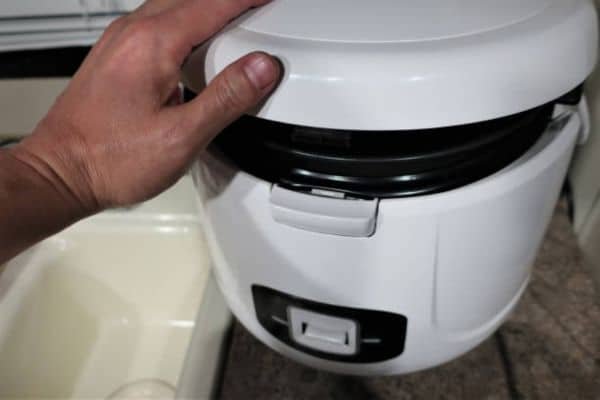
The warm mode helps keep rice ready to serve after cooking.
If warm mode fails, rice may cool quickly.
Check the settings and ensure the cooker automatically enters warming mode after cooking.
Some older models may have worn heating components.
Professional inspection can identify faulty internal parts.
Rice Cooker Leaking Water
Water leakage from the bottom or sides should not be ignored.
Inspect the inner pot for cracks or damage.
Overfilling the cooker can also cause leaks.
Check that the steam vent is not blocked.
A clogged vent can force water into areas where it does not belong.
Rice Cooker Sensor Problems
The sensor is responsible for detecting temperature changes during cooking.
When sensors become dirty, damaged, or misaligned, cooking performance suffers.
Clean the area beneath the inner pot regularly.
Avoid dropping the appliance, as impacts can affect sensor accuracy.
Persistent sensor problems may require professional repair.
How To Prevent Rice Cooker Problems
Preventive care can extend the life of any rice cooker.
Clean the appliance after every use.
Remove food particles from the heating plate and steam vent.
Use the correct water-to-rice ratio.
Avoid scratching the inner pot with metal utensils.
Store the cooker in a dry place when not in use.
These simple habits reduce the risk of many common problems.
When To Replace Your Rice Cooker
Most rice cookers last several years with proper maintenance.
However, replacement may be necessary if major electrical components fail.
A damaged heating element, broken sensor system, or severely worn inner pot can make repairs impractical.
If repair costs approach the price of a new appliance, replacement is often the better choice.
Conclusion
Understanding rice cooker common problems and solutions can save time, money, and frustration. Issues like hard rice, mushy rice, burning, overflowing, and heating problems are usually easy to identify and fix. Regular cleaning, proper measurements, and routine maintenance help keep a rice cooker performing at its best.
Before replacing a malfunctioning rice cooker, try basic troubleshooting steps. In many cases, a simple adjustment or thorough cleaning is all that is needed to restore normal performance.