
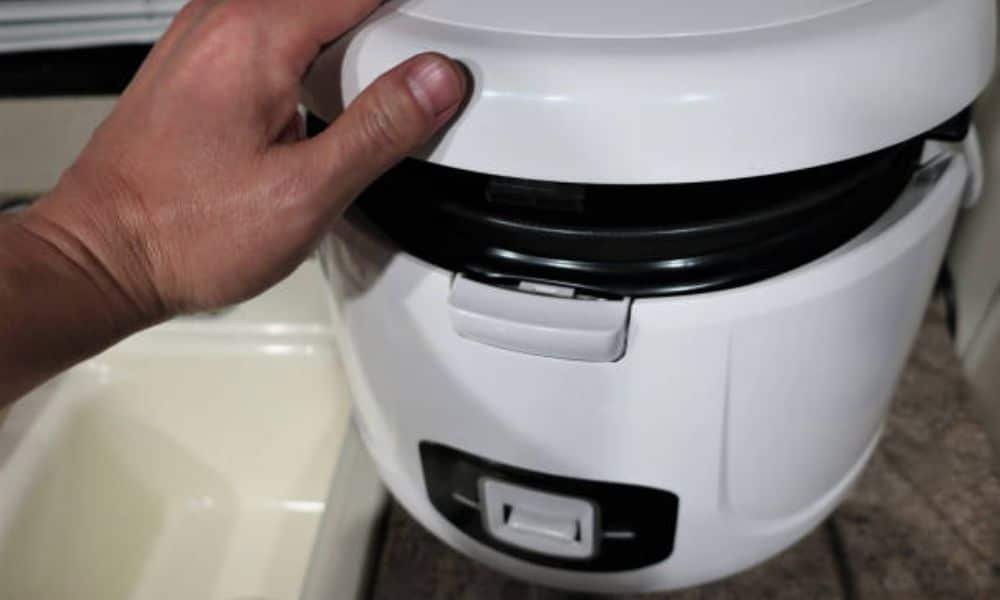
Knowing how to fix broken rice cooker problems can save both money and frustration at home. A rice cooker may suddenly stop heating, switch to warm mode too early, or fail to turn on completely. These problems often happen after long-term use, poor cleaning, or damaged internal parts.
The good news is that many common rice cooker issues are easy to repair without buying a new appliance. Simple fixes like cleaning the heating plate, checking the fuse, or replacing a faulty switch can often restore normal performance quickly.
Common Signs Of A Broken Rice Cooker
Different problems show different warning signs. Understanding these symptoms makes troubleshooting much easier.
Common signs include:
- Rice cooker not turning on
- Rice staying uncooked
- Cooker switching to warm too early
- Burning smell during cooking
- Rice burning on the bottom
- Steam leaking excessively
- Cooker shutting off randomly
- Lights not working
Some issues are electrical, while others come from worn internal parts.
Check The Power Supply First
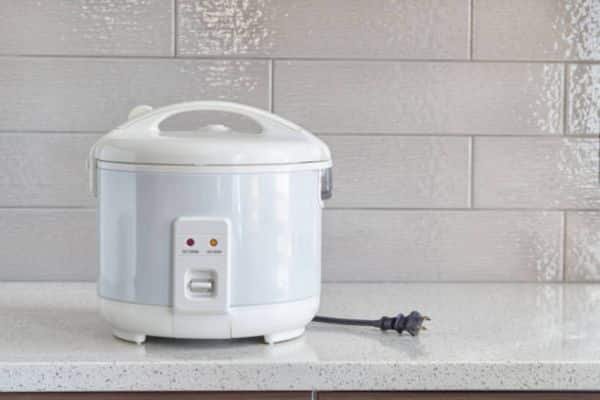
The first step is always checking the power source. Many rice cooker problems start with simple electrical issues.
Inspect the power cord carefully. Look for:
- Loose connections
- Bent plug pins
- Frayed wires
- Burn marks
Try plugging the rice cooker into another outlet. Sometimes the outlet itself causes the problem.
A damaged power cord can stop electricity from reaching the heating element.
Clean The Heating Plate
Dirty heating plates are one of the most common causes of poor cooking performance.
Food residue, starch, and moisture can block proper heat transfer. This often causes uneven cooking or prevents heating completely.
Follow these steps:
- Unplug the cooker
- Remove the inner pot
- Wipe the heating plate with a soft cloth
- Remove burnt rice particles carefully
- Dry everything completely
Never use metal scrubbers because they may damage the surface.
Inspect The Inner Pot
A damaged inner pot can affect heat distribution.
Look for:
- Warped bottom
- Peeling coating
- Dents
- Cracks
Even small dents may stop proper contact with the heating plate.
Sometimes replacing the inner pot solves the entire problem without needing major repairs.
Internal Link: how to fix rice cooker not turning on
Reset The Thermal Fuse
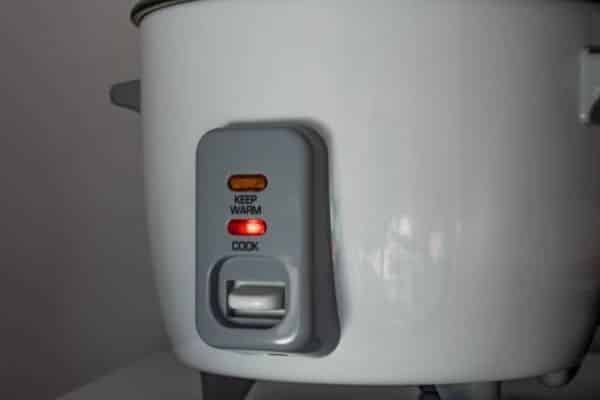
The thermal fuse protects the rice cooker from overheating. Once damaged, the cooker may stop heating entirely.
Common signs of a blown thermal fuse:
- No heat at all
- Power light works but cooking fails
- Cooker shuts off immediately
The thermal fuse is usually located near the heating element.
Replacing it requires opening the bottom panel carefully. Many affordable replacement fuses are available online.
Always disconnect power before opening the appliance.
Check The Rice Cooker Switch
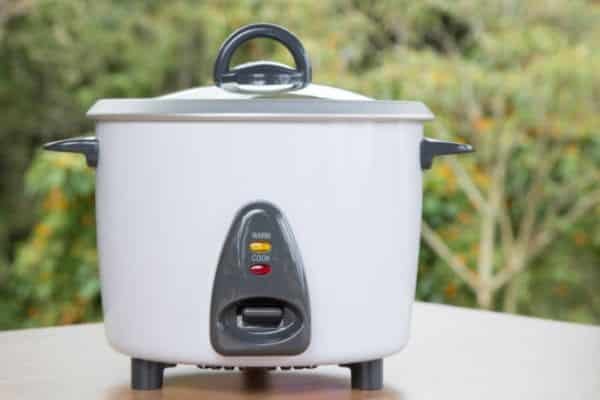
The cook/warm switch can wear out over time.
Sometimes the cooker stays stuck in warm mode and never starts cooking properly.
Signs of switch problems include:
- Button not clicking
- Cooker not staying in cook mode
- Random switching between modes
Dust and food particles sometimes block the switch mechanism.
Cleaning around the switch may solve the issue. Severe damage may require replacing the switch assembly.
Test The Heating Element
The heating element generates the heat needed for cooking rice.
A damaged heating element often causes:
- No heating
- Slow cooking
- Inconsistent temperatures
The heating plate may look normal even when the internal element is damaged.
A multimeter can test electrical continuity. No continuity usually means the heating element needs replacement.
Heating element repairs are slightly more advanced but still manageable for many homeowners.
Fix Loose Internal Wiring
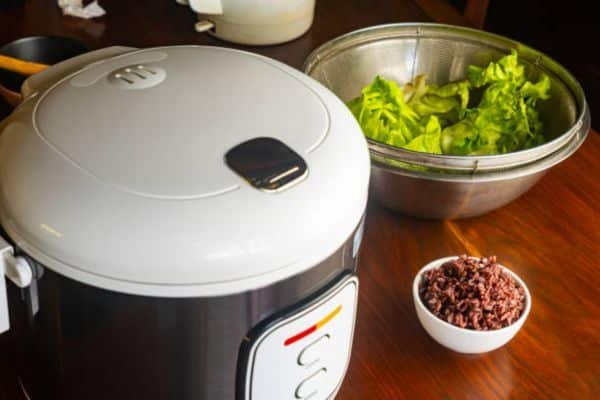
Frequent movement and long-term use can loosen internal wires.
Loose wiring may cause:
- Intermittent power
- Sudden shutdowns
- Flickering lights
- Heating problems
Carefully inspect internal wire connections after opening the base.
Burned or disconnected wires should be repaired properly. Electrical tape alone is not always enough for long-term safety.
Remove Steam Vent Blockages
Steam vents help release pressure during cooking.
Blocked vents can create:
- Overflowing water
- Uneven cooking
- Excessive steam leakage
Remove the steam cap and clean it thoroughly.
Warm water and mild soap usually remove buildup easily.
Regular cleaning improves performance and prevents future issues.
Fix Rice Cooker Overheating
Overheating can damage internal parts quickly.
Possible causes include:
- Faulty thermostat
- Dirty sensors
- Blocked vents
- Electrical issues
A rice cooker that overheats may burn rice frequently.
Cleaning the temperature sensor under the inner pot often helps restore accurate heat control.
Avoid overfilling the cooker because excess pressure increases heat problems.
Check The Thermostat Sensor
The thermostat controls cooking temperature automatically.
A damaged thermostat may:
- Stop cooking too early
- Burn rice
- Fail to switch to warm mode
The sensor sits beneath the heating plate in most rice cookers.
Replacing a faulty thermostat usually restores normal cooking behavior.
Replace Broken Indicator Lights
Indicator lights help show cooking status.
Broken lights usually do not affect cooking directly, but they can make troubleshooting difficult.
LED or bulb replacements are generally inexpensive and simple to install.
Many repair kits include compatible indicator lights for popular rice cooker brands.
Prevent Future Rice Cooker Problems
Proper maintenance helps prevent breakdowns.
Helpful maintenance habits include:
- Cleaning after every use
- Keeping the heating plate dry
- Avoiding metal utensils
- Never immersing the cooker base in water
- Storing the cooker safely
Simple care routines can greatly extend appliance lifespan.
Internal Link: rice cooker keeps tripping breaker
When To Replace Instead Of Repair
Some rice cookers become too damaged for affordable repair.
Consider replacement when:
- Multiple parts fail together
- Severe electrical burning appears
- Repair cost exceeds replacement cost
- The cooker is very old
Modern rice cookers are often more energy efficient and safer than older models.
Still, many common issues are inexpensive to fix at home.
Safety Tips During Rice Cooker Repair
Safety should always come first during appliance repair.
Important safety rules include:
- Unplug before opening
- Avoid wet hands
- Use insulated tools
- Never touch exposed wires while powered
- Replace damaged parts properly
Electrical appliances can become dangerous when repaired incorrectly.
Careful handling reduces accident risks significantly.
Basic Tools Needed For Rice Cooker Repair
Simple repairs usually require only basic tools.
Useful tools include:
- Screwdriver set
- Multimeter
- Soft cleaning cloth
- Electrical tape
- Replacement fuse
- Needle nose pliers
Having these tools ready makes troubleshooting much easier.
Best Way To Keep A Rice Cooker Working Longer
Consistent cleaning and proper use matter more than many people realize.
Avoid forcing the lid closed. Do not overload the cooker with too much rice or water. Always allow the appliance to cool before storing it.
Using the rice cooker carefully reduces wear on switches, sensors, and heating components.
A well-maintained rice cooker can often last many years without major repairs.
Conclusion
Learning how to fix broken rice cooker problems can save both time and money. Many common issues come from dirty heating plates, faulty switches, damaged fuses, or loose wiring. Most repairs are simple enough for beginners with basic tools and patience.
Regular maintenance also helps prevent future breakdowns. Cleaning the cooker after every use and checking parts occasionally can keep it working efficiently for years. Small repairs done early often prevent much bigger appliance problems later.